Song Meaning
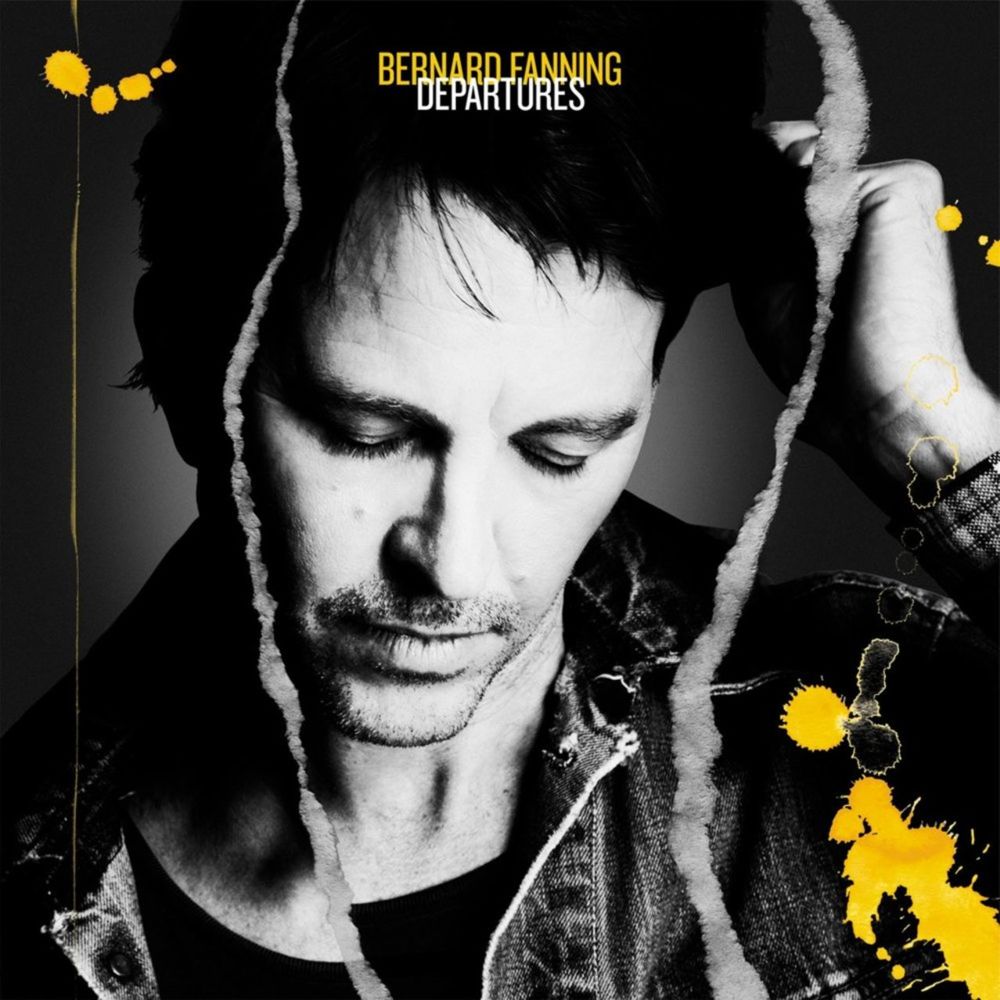
Bernard Fanning's "Departures (Blue Toowong Skies)" isn't just a song; it's a sonic eulogy, steeped in the melancholic beauty of acceptance. The opening lines immediately establish a sense of altered perspective, a life interrupted. The singer, no longer the 'youngest' but somehow also 'older than my first born brother,' hints at a disruption in the natural order, perhaps a reflection on mortality spurred by loss. This sense of time collapsing, coupled with the stark 'never made it quite to 43,' paints a portrait of a life cut short, viewed through the lens of familial connection and regret. The song meaning quickly coalesces around themes of grief and remembrance. The repeated refrain, 'Let it ring let the bell ring out for you,' serves as a poignant farewell, a wish for peace and recognition of the departed's 'beautiful truth.'
The song’s emotional core lies in its grappling with the inherent tension between the inevitability of death and the human will to endure. Fanning juxtaposes the personal with the universal, acknowledging the 'ticking bomb' beneath everyone's skin while simultaneously highlighting the almost absurd resilience with which we 'carry on.' This acknowledgement of our shared mortality adds depth to the song, transforming it from a simple lament into a broader meditation on the human condition. The phrase 'breathing poison in' could be interpreted as a metaphor for the daily grind, the stresses and anxieties that we internalize, further underscoring the fragility of life.
Ultimately, "Departures (Blue Toowong Skies)" finds solace in the idea of enduring presence. The lines 'You're right where you belong / 'Neath Blue Toowong Skies / Cut so deep in our bones / You surround those of us you love' offer a comforting vision of continued connection. The departed remains woven into the fabric of the lives they touched, a permanent fixture in the landscape of memory. The 'Blue Toowong Skies' become a symbol of home, belonging, and the enduring power of love to transcend even death. Bernard Fanning creates a space for grief, remembrance, and the quiet acceptance of life's inevitable conclusion.
 View Artist