Song Meaning
This song paints a picture of profound reliance on another person, framing them as an essential source of solace and stability. The narrator describes a world fraught with 'trouble' and 'walls crashing down,' situations where this other individual acts as a direct counterpoint, offering 'peace,' 'relief,' and acting as a 'release.' The immediate emotional texture is one of vulnerability met with unwavering support, a plea for continued protection against overwhelming circumstances.
The central tension lies in the narrator's precarious state, constantly 'in too deep' and facing overwhelming 'trouble.' They are actively seeking reassurance, asking "say you'll watch over me" and "tell me you'll always be there." This isn't just a passive appreciation; it's an active, urgent request for the other person's presence and intervention, highlighting the narrator's perceived inability to navigate these difficulties alone.
The lyrics employ a consistent pattern of contrasting difficult situations with the positive actions of the other person. When 'walls come crashing down,' they 'light my way.' When the 'sun is beating down,' they are 'my shade.' This parallel structure emphasizes the dependable, almost elemental nature of the support offered, suggesting a relationship where one person consistently mitigates the other's hardships. The third verse introduces a subtle twist, noting that even when 'you left me on the street,' the narrator 'found my way,' suggesting a complex dynamic where independence might have been fostered even within the context of seeking protection.
What makes these lyrics resonate is the directness of the plea and the clear, almost elemental imagery used to describe the support. The repeated requests in the chorus, coupled with the simple yet powerful metaphors like 'light my way' and 'my shade,' create a potent expression of dependence and the deep comfort found in knowing someone is looking out for you. The subtle acknowledgment of self-sufficiency in the final verse adds a layer of realism, making the overall appeal for protection feel earned rather than purely desperate.
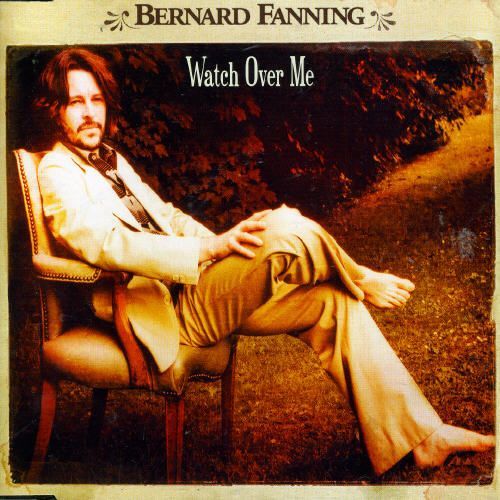
 View Artist