Song Meaning
The piece "Swingtime In the Rockies" presents itself as purely instrumental. This immediate declaration sets a clear expectation: the story here isn't told through words. Instead, the entire narrative unfolds within the music itself. Listeners are invited to engage with sound alone.
Without a vocal track, the traditional lyrical tensions or conflicts are absent. There's no speaker grappling with a situation, no direct emotional confession to dissect. This absence shifts the interpretive burden entirely onto the musical arrangement, tempo, and instrumentation. The "meaning" becomes a personal construction, shaped by the listener's interaction with the sonic landscape.
The most interesting craft element here is the deliberate choice to forgo a lyrical narrative. This isn't just a lack; it's a structural decision that emphasizes the power of instrumental storytelling. The title "Swingtime In the Rockies" provides the only textual hint, suggesting a specific genre and setting, allowing the music to paint those vivid pictures without explicit verbal cues.
This approach makes the piece effective by fostering a unique kind of engagement. It demands active listening, encouraging the audience to find their own "meaning" in the interplay of instruments, the rhythm, and the melodic lines. The absence of lyrics means the music itself must carry all the emotional weight and narrative suggestion, making for a deeply personal and often immersive experience.
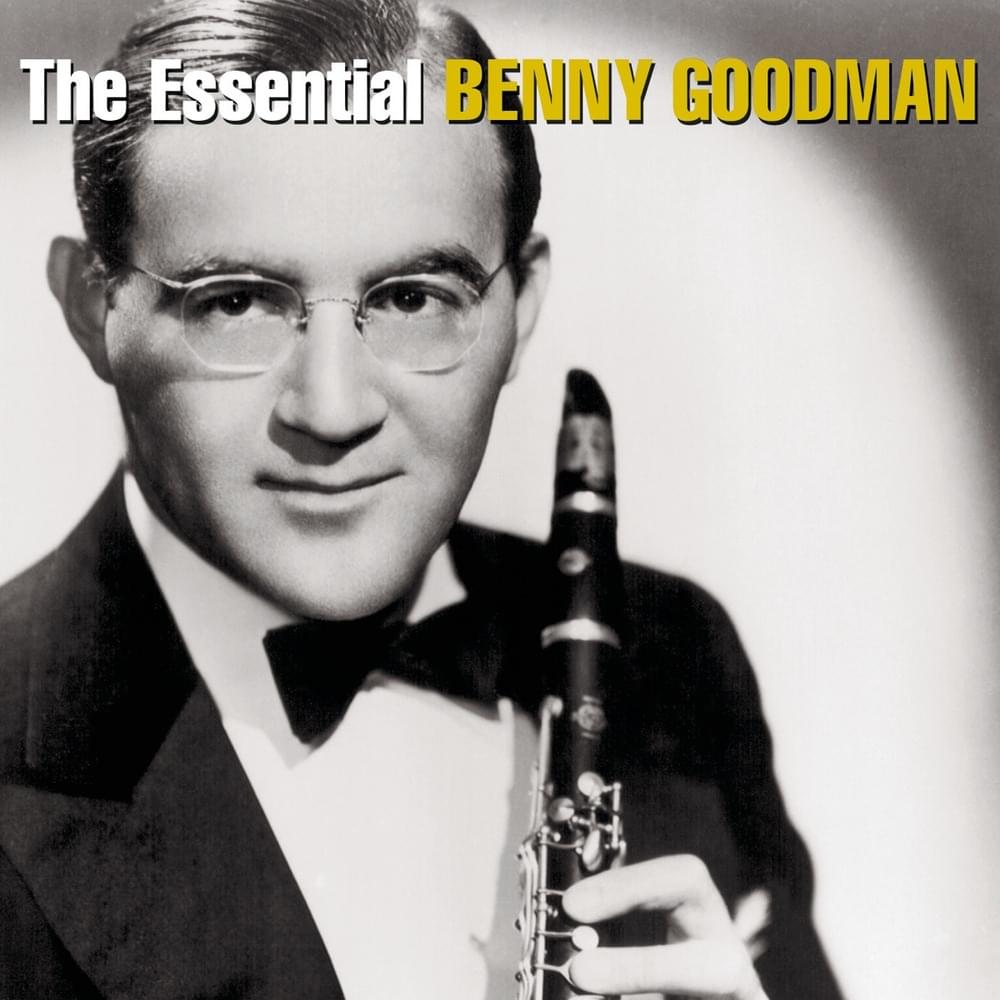
 View Artist