Introduction & Current Status
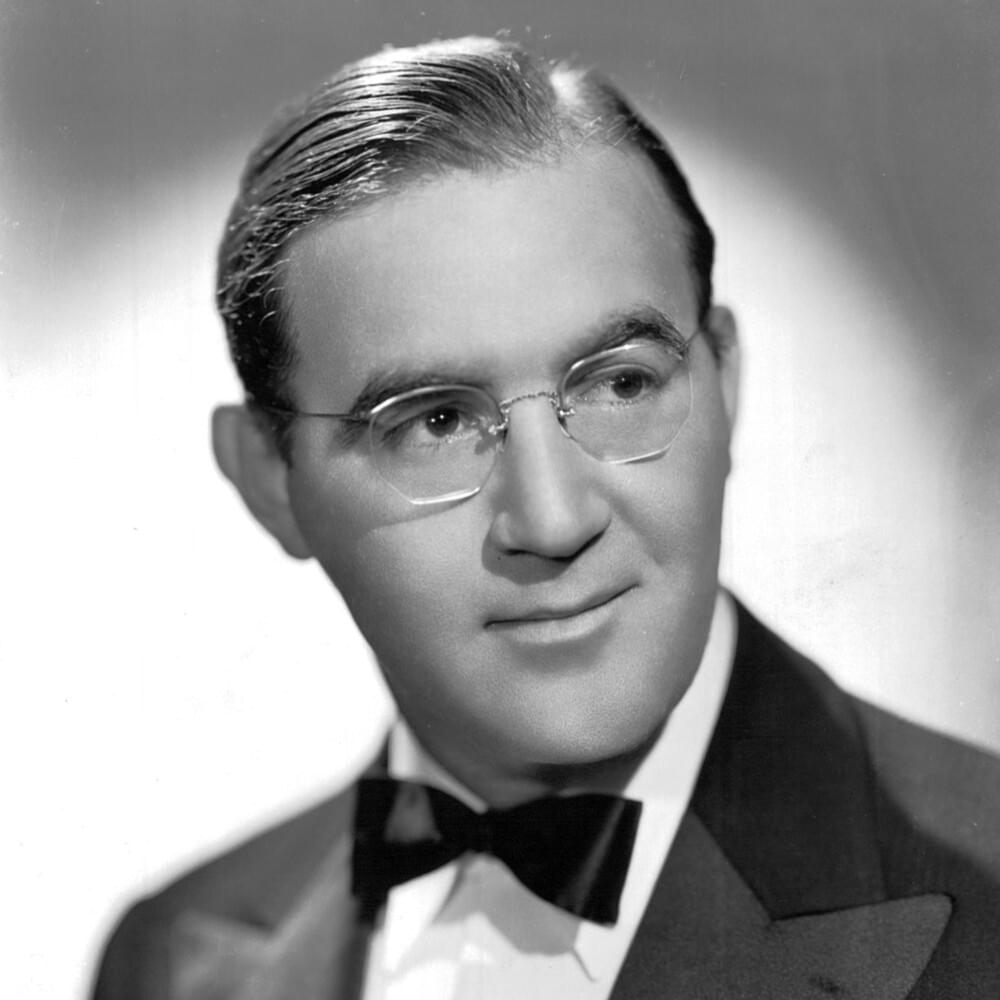
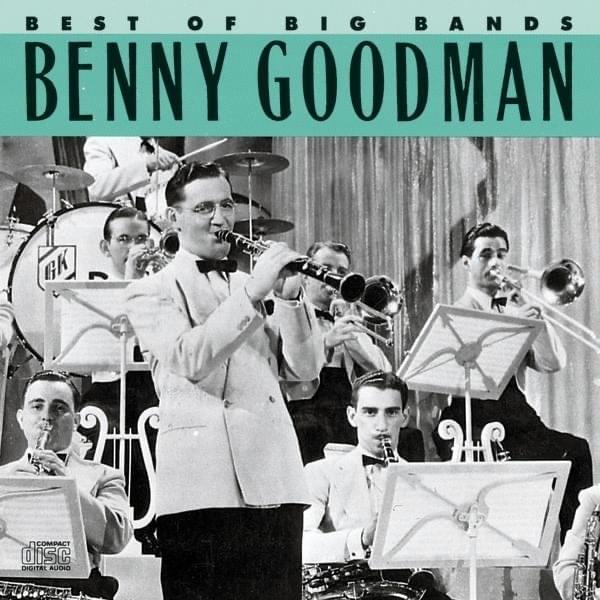
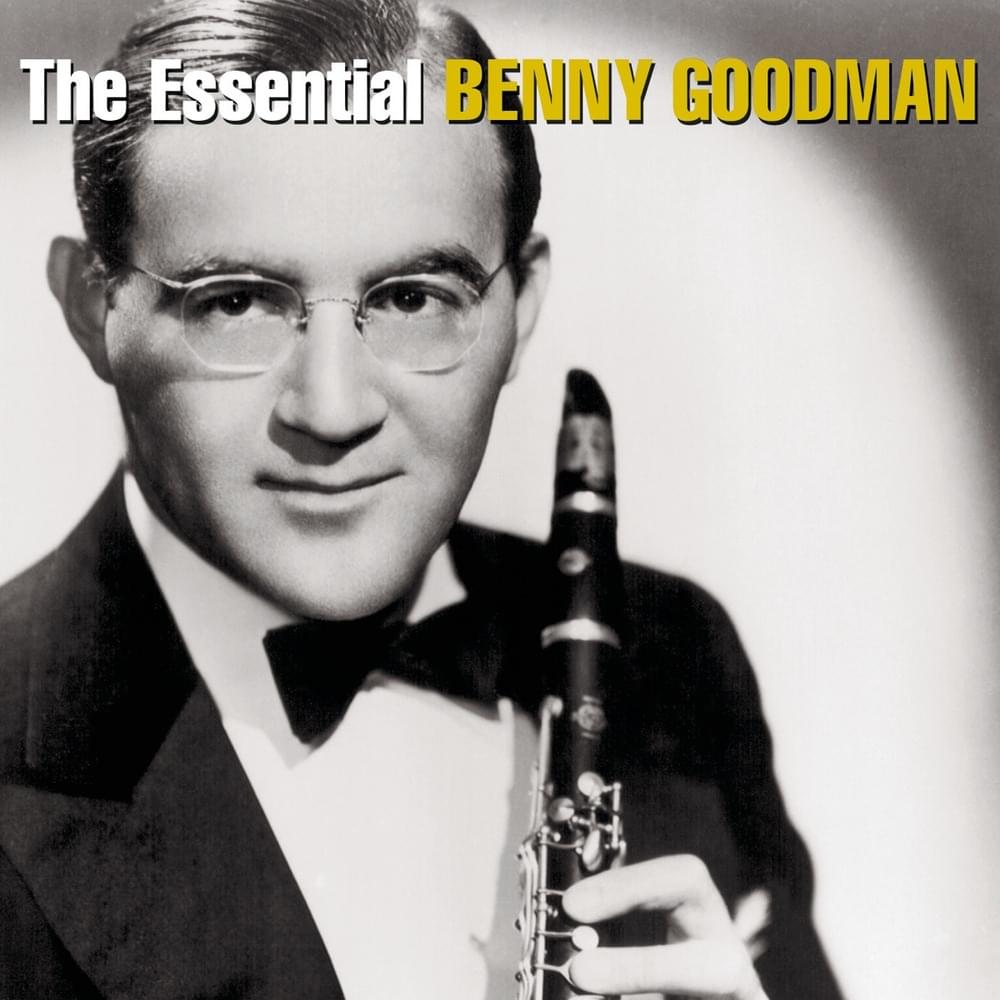
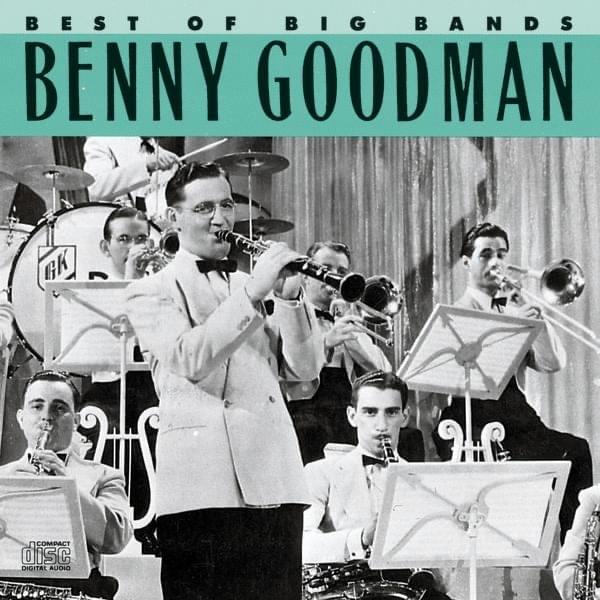
Benny Goodman. The name alone conjures images of smoky jazz clubs and swingin' dance floors. Though he passed away in 1986, Goodman's music is far from a relic. His recordings are constantly being rediscovered by new generations thanks to streaming services and that timeless quality that just makes you want to move. He wasn't just a clarinetist; he was the King of Swing.
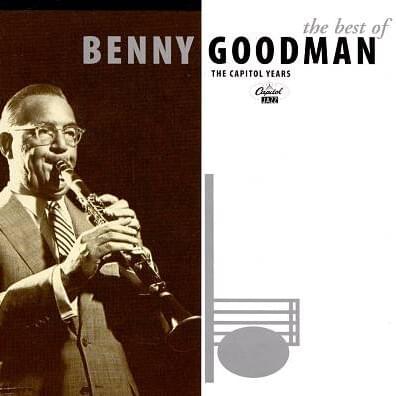
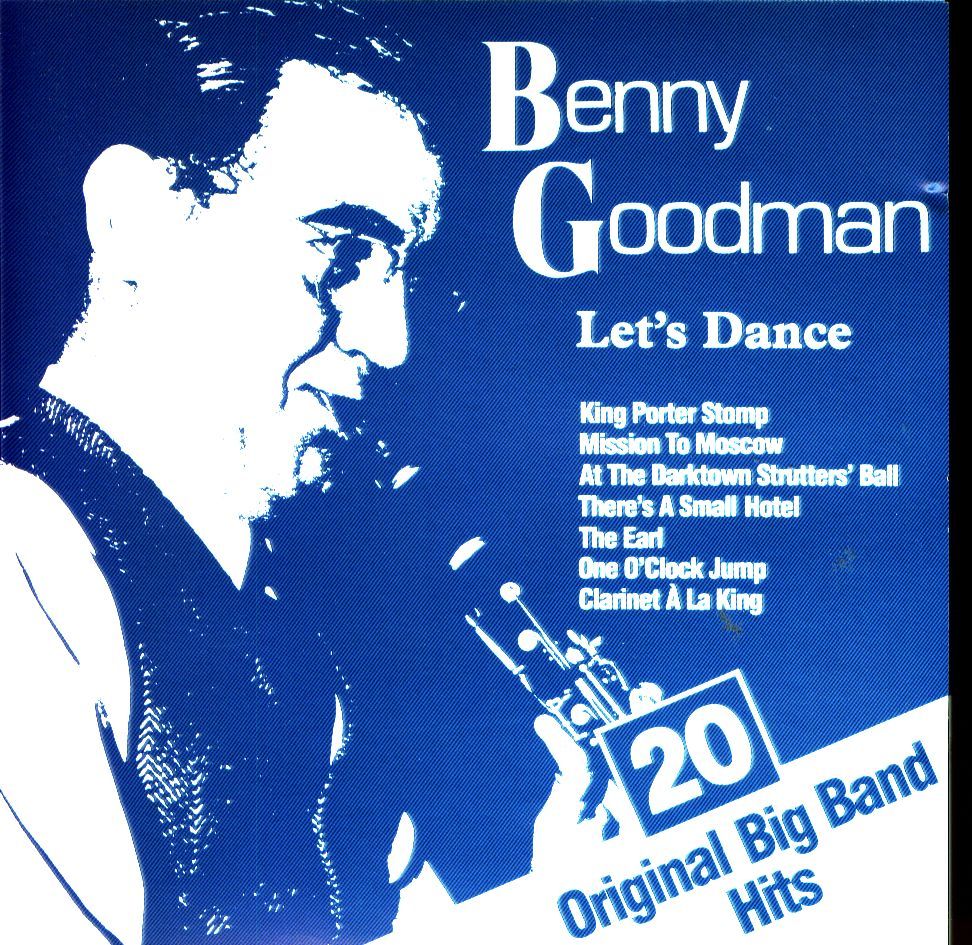
Goodman's influence stretches far beyond his own lifetime. His integrated band challenged racial segregation in the 1930s. His music continues to be featured in film and television. Compilations like 20 Original Big Band Hits keep his sound alive.
Why does Goodman matter now? Because his music represents a golden age of American music. An era when jazz was king and the dance floor was the place to be. He was a true innovator who brought swing to the mainstream and paved the way for countless musicians to follow.
Early Life & Background
Born Benjamin David Goodman in Chicago, 1909, he was the ninth of twelve children in a poor Jewish immigrant family. His parents instilled in him a strong work ethic and a deep appreciation for music. Growing up in the Maxwell Street neighborhood, a melting pot of cultures, Goodman was exposed to a diverse range of sounds from a young age.
He began taking clarinet lessons at age 10 at the Hull House, a settlement house that offered music education to underprivileged children. Recognizing his talent, his father enrolled him in further lessons with Franz Schoepp, a classical clarinetist. This rigorous training gave Goodman a solid foundation in technique and musicality.
These early experiences shaped Goodman's musical trajectory. The blend of classical training and exposure to the vibrant sounds of Chicago's streets laid the groundwork for his unique style. It's clear his upbringing was not just about surviving but about thriving through music.
Career Beginnings
Goodman's professional career took off while he was still a teenager. He joined the American Federation of Musicians at age 13 and quickly began playing in local dance bands. By 16, he was touring the country with the Ben Pollack Orchestra. This early exposure to the professional music world was trial by fire.
In the late 1920s, Goodman moved to New York City and became a sought-after session musician. He played on countless recordings and radio broadcasts. Forming his own band in 1934 was the pivotal moment. This was when he started to develop the sound that would make him a star.
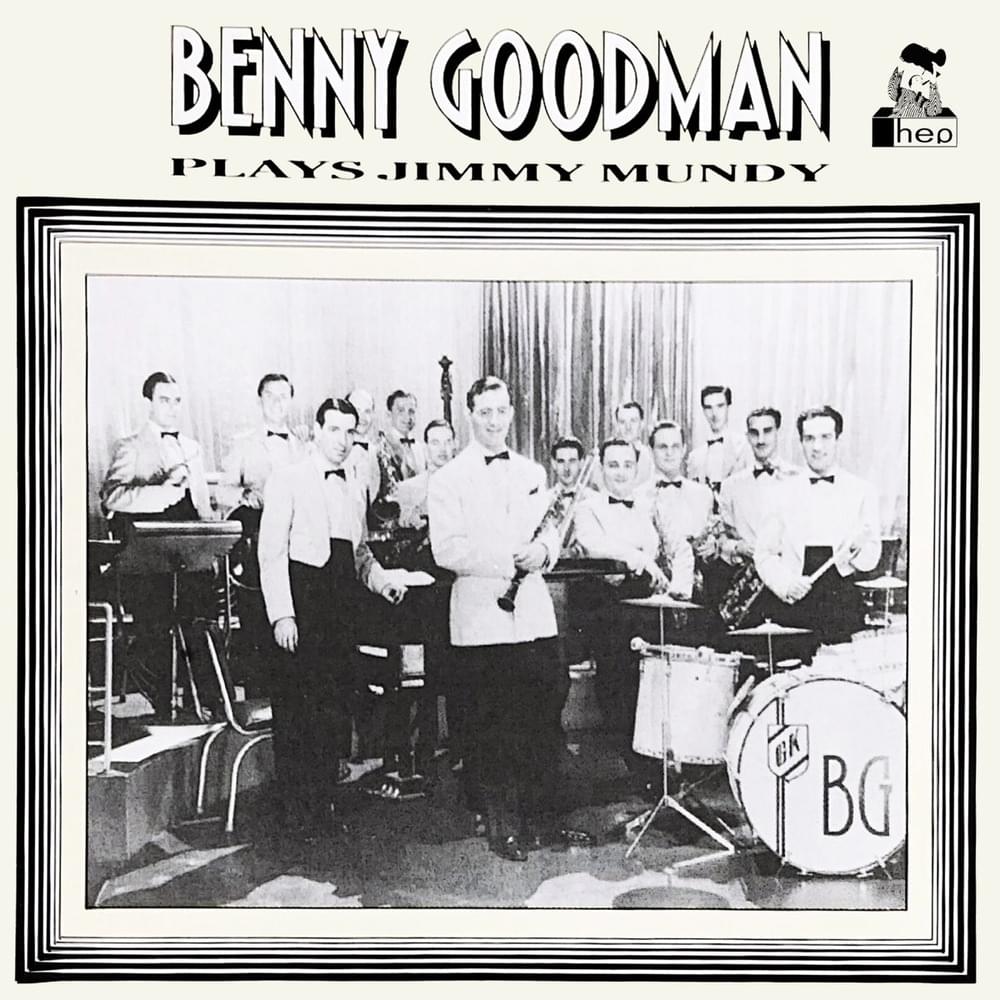
The Benny Goodman Orchestra quickly gained popularity through their performances on the radio show "Let's Dance." A key moment was their performance at the Palomar Ballroom in Los Angeles in 1935. The enthusiastic response from the young audience signaled the start of the Swing Era. It was a cultural reset button.
Major Albums & Discography
Goodman's discography is vast and varied. It showcases his evolution as a musician and bandleader. From early recordings to later collaborations, his albums capture the energy and innovation of the Swing Era. Albums like Ain't Misbehavin' highlight the raw talent of his early years.
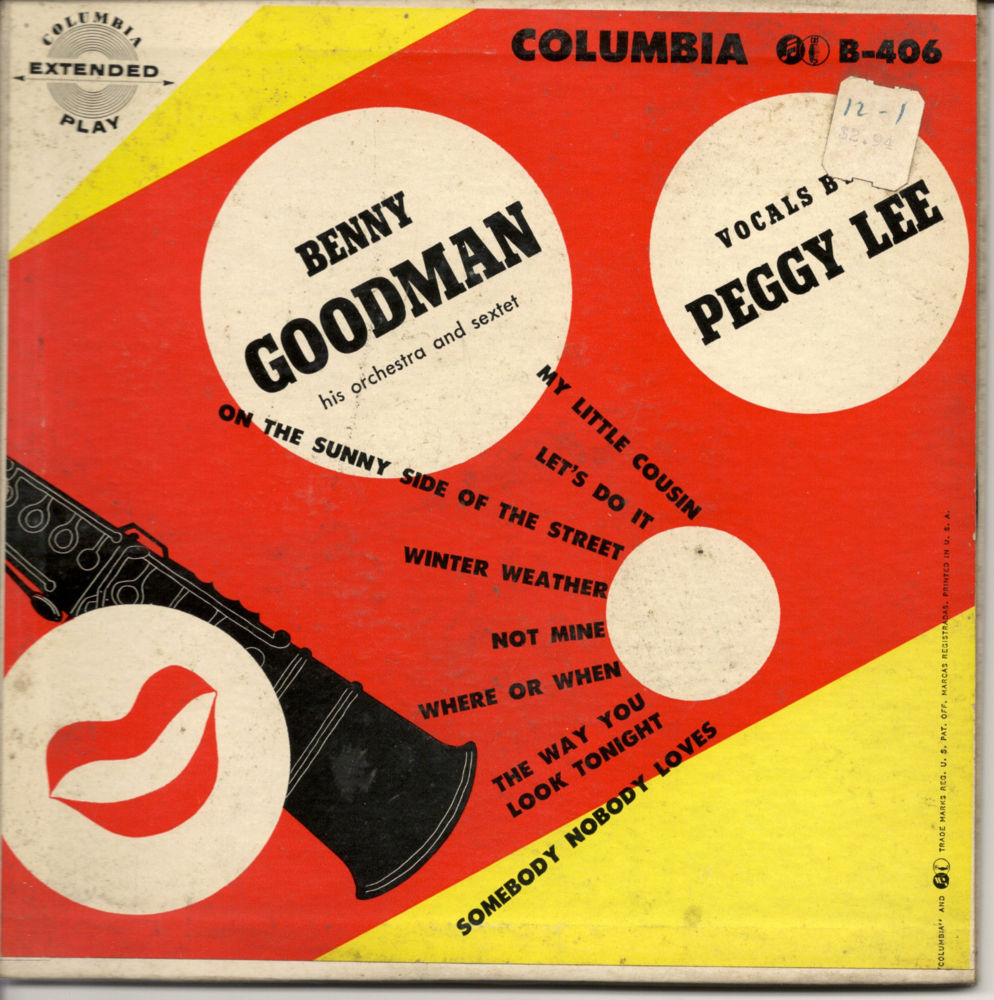
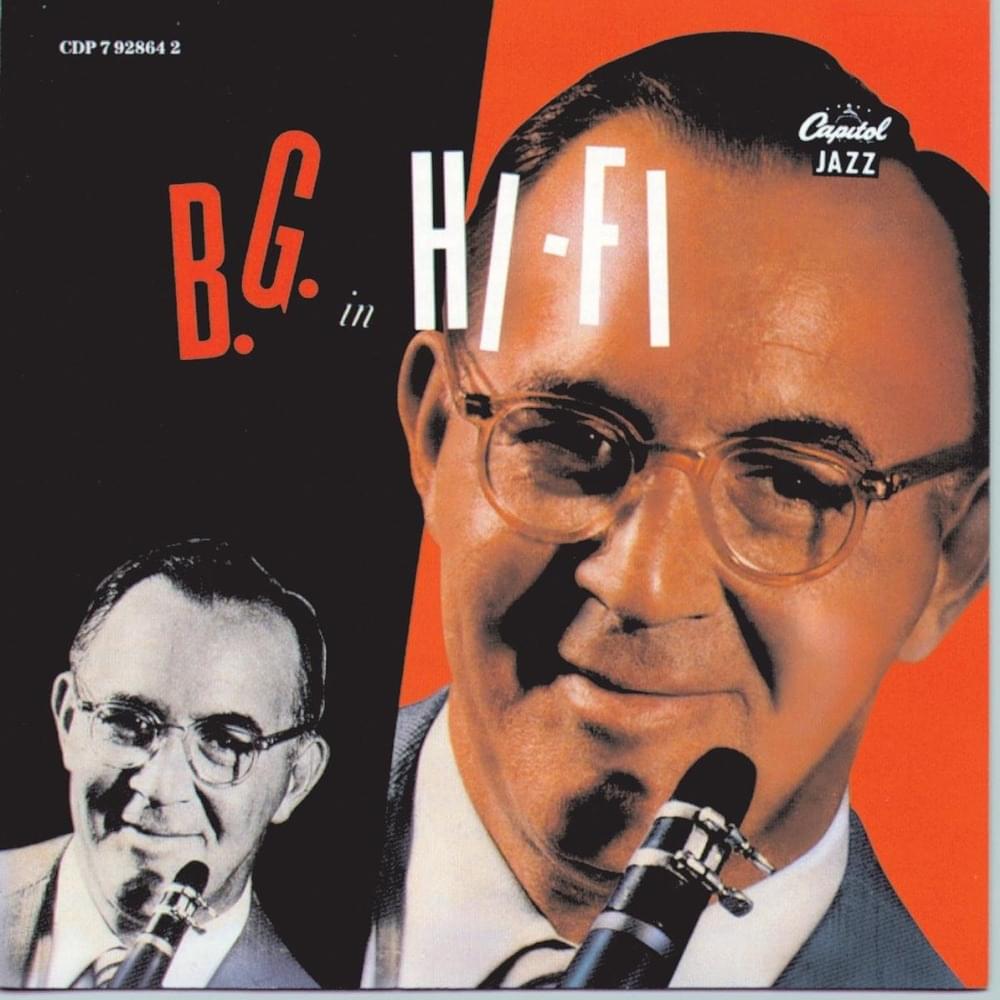
The album B.G. in Hi-Fi is a standout. It demonstrates Goodman's commitment to sonic quality and showcases his virtuosity. Albums like Benny Goodman with Peggy Lee show his versatility.
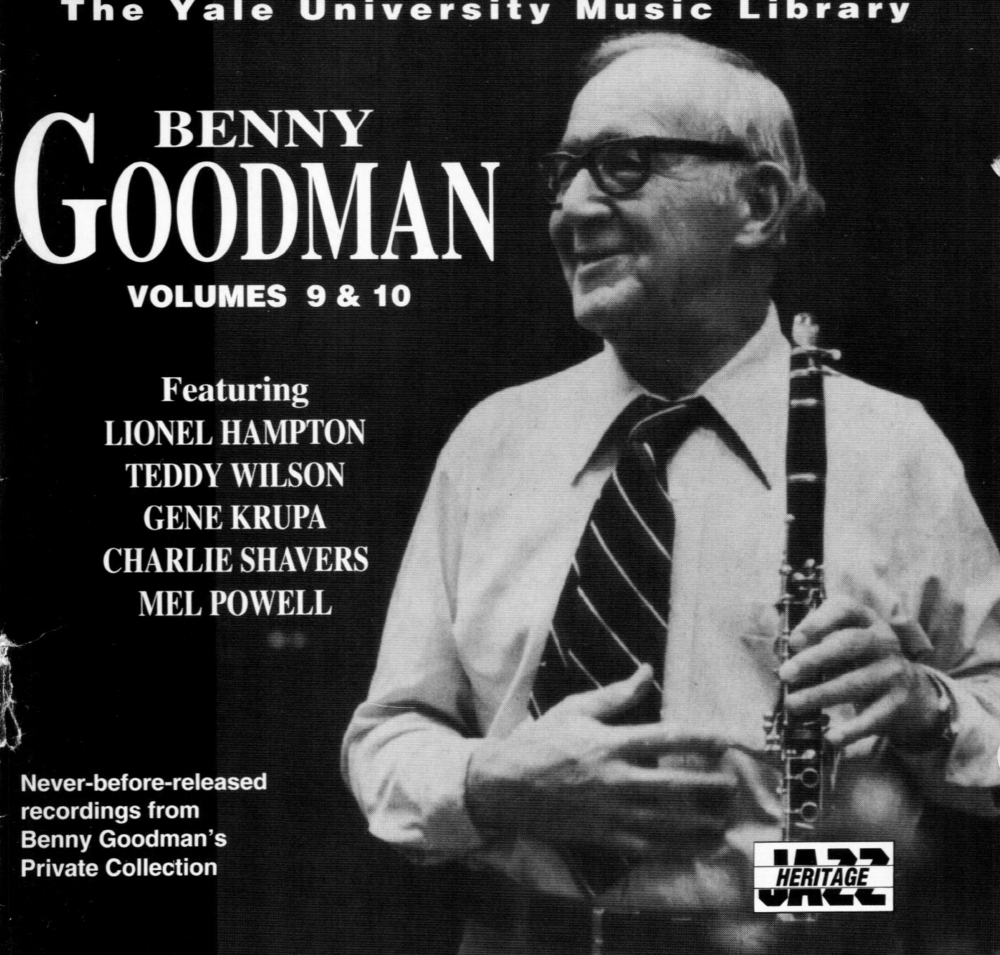
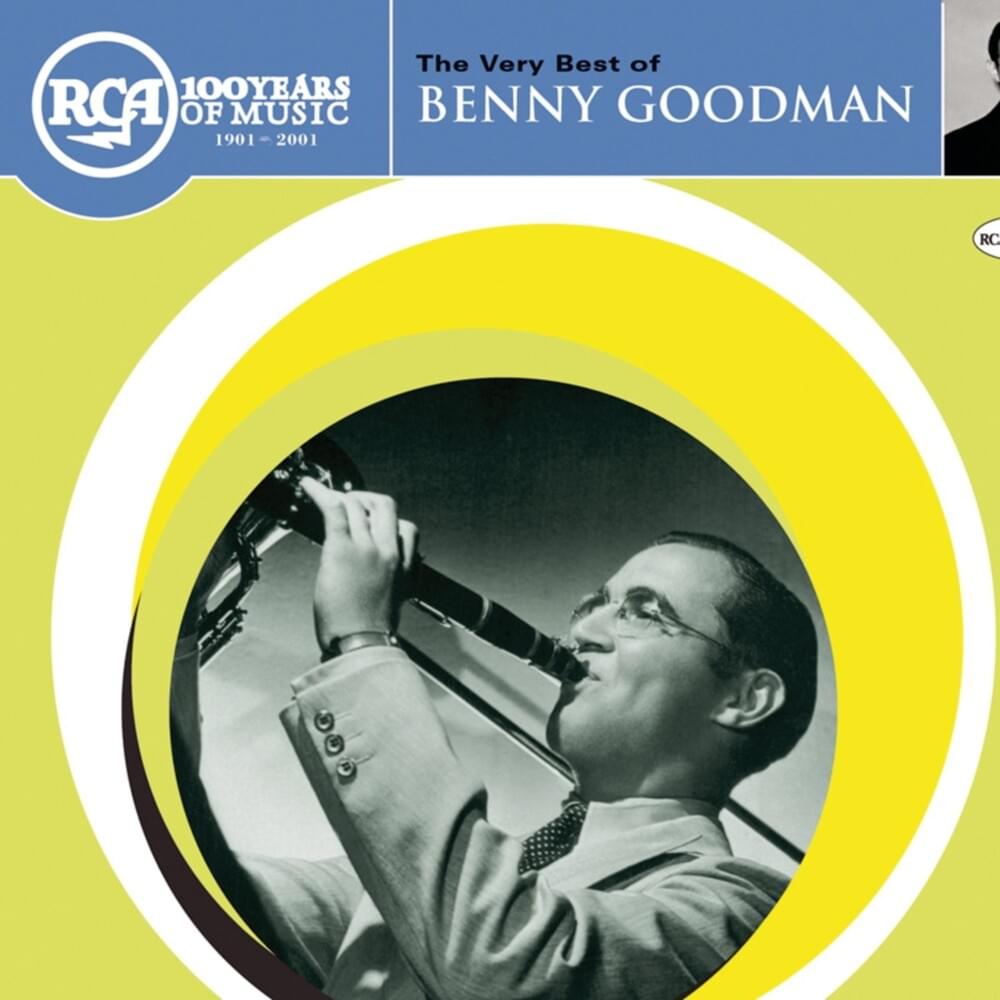
Portrait of Benny Goodman offers a comprehensive overview of his career. It includes many of his signature tracks. Later in his career, albums like The Yale University Music Library - Benny Goodman - Volumes 9 and 10 showcase his continued exploration of jazz and classical music.
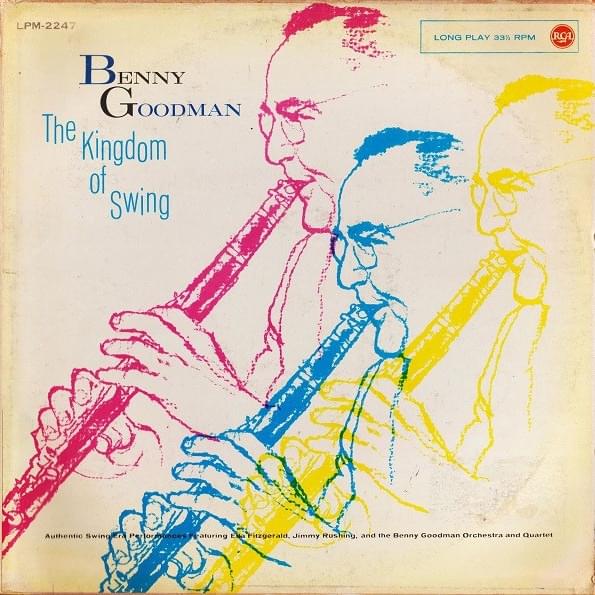
The King of Swing truly captures the essence of Goodman's reign in the jazz world. His sound was always evolving always adapting and always swingin'. And let's not forget The Essence of Benny Goodman, a must-have for any jazz head.
Hit Songs & Signature Tracks
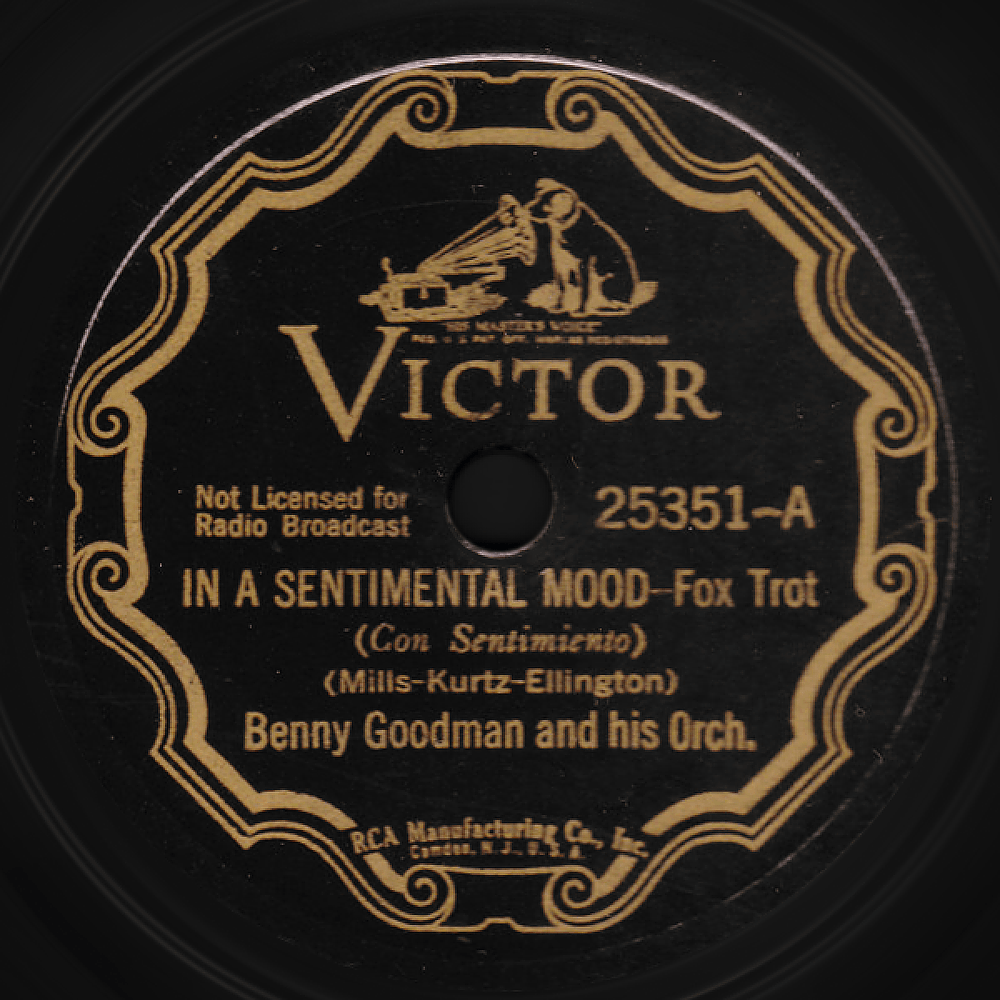
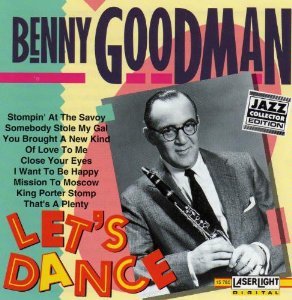
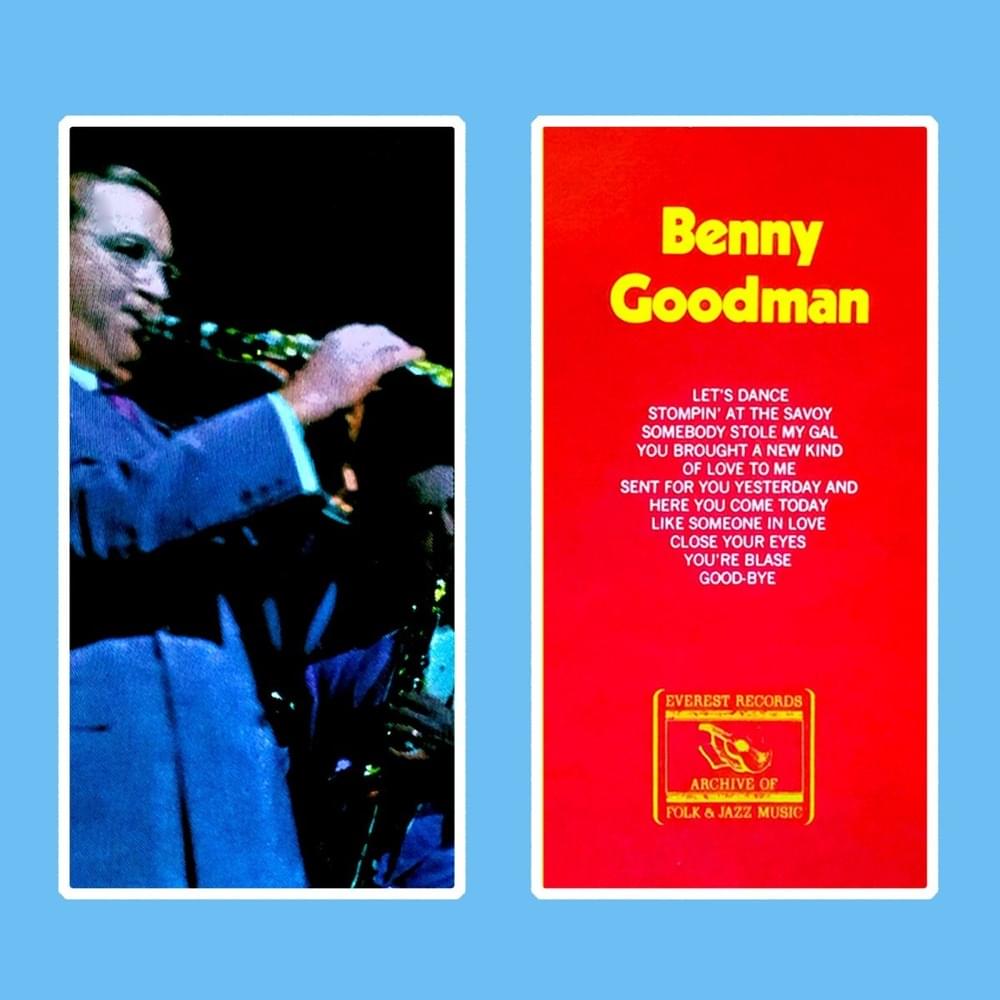
Goodman's hit songs are the soundtrack to an era. Tracks like Stompin' At the Savoy became anthems of the Swing Era. They were irresistible dance tunes that filled ballrooms across the country. The energy is timeless.
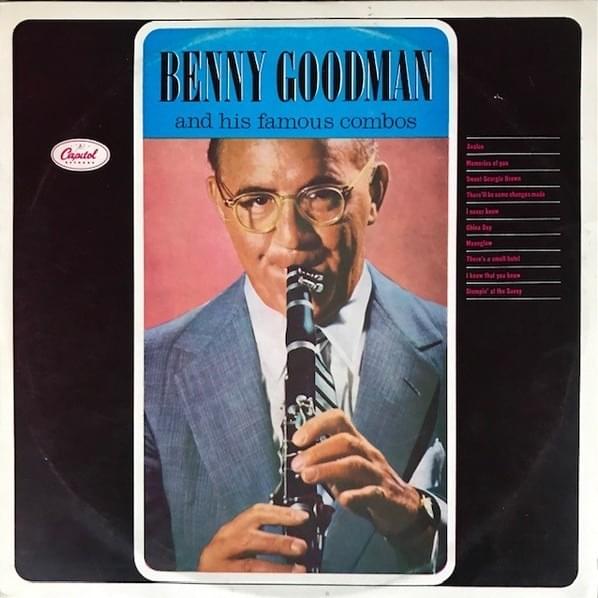
One O'Clock Jump became a signature tune. Its infectious melody and driving rhythm made it a favorite of dancers and musicians alike. Tracks such as Goody Goody showed the band's playful side. Let's not forget the smooth sounds of Memories of You.
Don't Be That Way is another classic. Its sophisticated arrangement and Goodman's virtuosic clarinet playing made it a standout hit. The song Sometimes I'm Happy is a pure shot of joy.
His version of Taking a Chance on Love remains iconic. Plus, the feel-good vibes of On The Sunny Side Of The Street are undeniable. The track Rose Room is a classic for a reason. Finally, Don't Be That Way is just too good to only mention once.
Collaborations & Features
Goodman was a master collaborator. He worked with some of the biggest names in jazz and popular music. His collaborations with vocalists like Peggy Lee produced some of his most memorable recordings. He wasn't afraid to blend styles and experiment with new sounds.
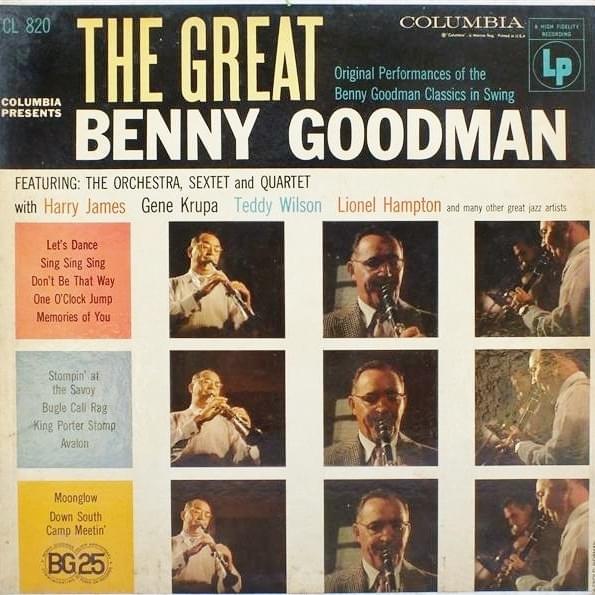
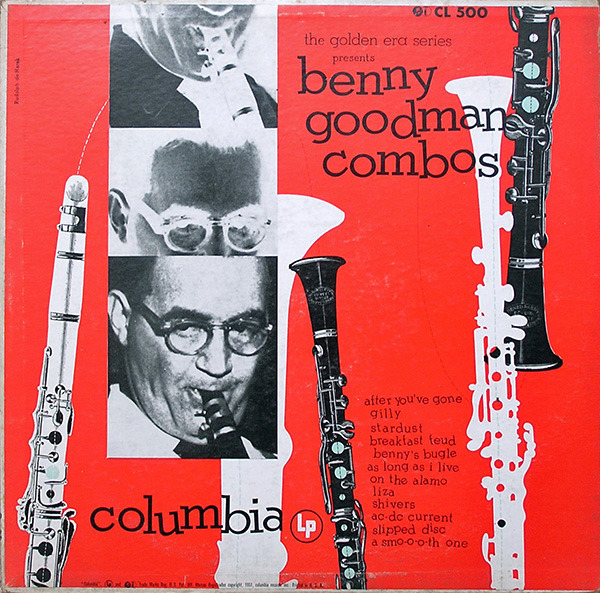
His quartet, featuring Teddy Wilson, Gene Krupa, and Lionel Hampton, was a groundbreaking ensemble. It challenged racial segregation by bringing together black and white musicians on stage. These collaborations were more than just musical partnerships. They were statements of social progress.
Beyond his regular band, Goodman also featured guest soloists and arrangers. This brought fresh perspectives to his music. He had an eye for talent and was always looking for new ways to push the boundaries of swing. It's a testament to his collaborative spirit.
Awards & Achievements
Goodman's career was filled with accolades. He received numerous Grammy Awards. He earned recognition for his contributions to music and culture. His impact on the music world is undeniable.
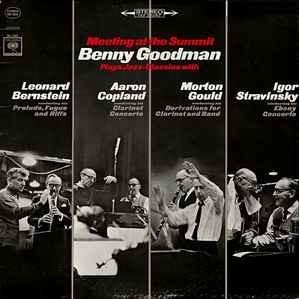
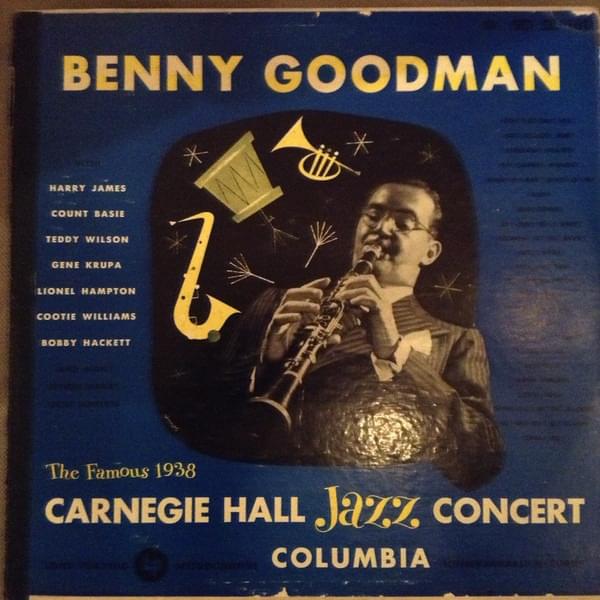
He was one of the first jazz musicians to perform at Carnegie Hall. This broke down barriers between jazz and classical music. He received a Kennedy Center Honor in 1982. This recognized his lifetime achievements.
Beyond the awards, Goodman's greatest achievement was popularizing swing music. He brought it to a wider audience. He helped to bridge the gap between black and white cultures in a segregated America. His legacy extends far beyond the realm of music.
Personal Life
Goodman married Alice Hammond Duckworth in 1942. She was the sister of record producer John Hammond. Their marriage lasted until her death in 1978. They had two daughters.
Goodman was known for his dedication to his craft. He was a demanding bandleader. He was also a generous supporter of young musicians. He left behind a legacy of musical excellence and innovation.
Musical Style & Influence
Goodman's musical style was rooted in swing. He combined elements of jazz, blues, and popular music. His clarinet playing was characterized by its virtuosity, tone, and improvisational skill. He was a master of both melody and rhythm.
He drew inspiration from musicians like Louis Armstrong and Johnny Dodds. He influenced countless clarinetists and bandleaders who followed in his footsteps. His music continues to inspire musicians today. His legacy is secure.
Goodman's impact on American music is profound. He helped to define the sound of the Swing Era. He challenged racial barriers. He brought jazz to a mainstream audience. He remains a towering figure in the history of American music.
Recent Work & What's Next
While Benny Goodman is no longer with us, his music lives on through reissues, compilations, and streaming services. His recordings are constantly being rediscovered by new generations of listeners. His influence can be heard in the music of countless artists.
His legacy is secure. His music will continue to swing for generations to come. Goodman's contributions to American music are immeasurable. He remains the King of Swing.