Song Meaning
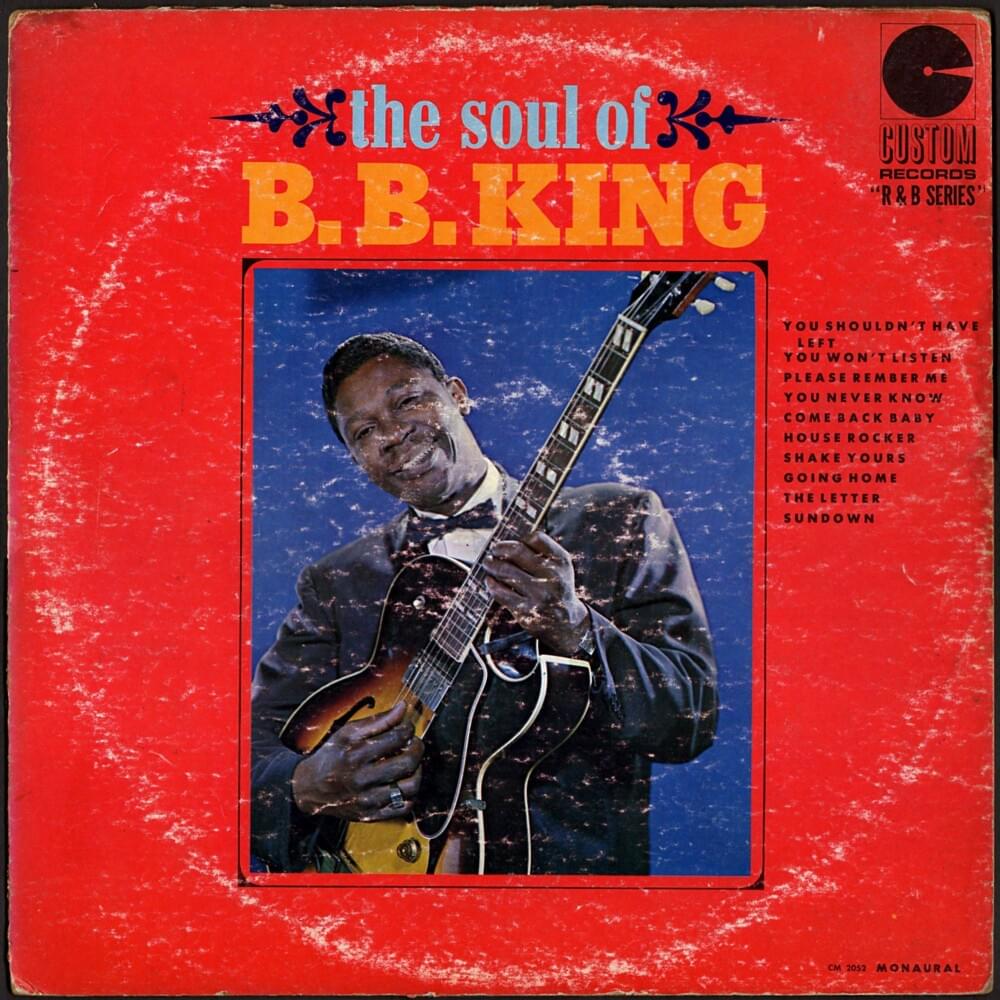
B.B. King's plaintive vocals in "You Never Know" cut straight to the bone, a raw nerve exposed in the aftermath of romantic betrayal. The song isn't just a lament; it's a study in the psychology of denial, the clinging hope that flickers even when reason dictates otherwise. The opening lines establish the core wound: the singer's profound hurt and the unsettling realization that his lover was dishonest. But it's not anger that dominates, but a persistent ache and a desperate yearning for reconciliation. The repeated phrase, "you never know how you hurt me," suggests a disconnect, a failure of empathy on the part of the departed lover, or perhaps a willful ignorance. The pain is internalized, a private torment the singer seems unable to fully articulate or externalize.
The middle verses deepen the sense of internal conflict. Darkness becomes a refuge for memories, both beautiful and painful. He is haunted by her "sweet voice," a phantom echo of happier times. The mention of "your church" and how "I rejoice" hints at a shared spiritual connection, a foundation that has seemingly crumbled. This adds a layer of complexity: the loss is not just of a lover, but of a shared faith or community. The singer acknowledges the gossip and judgment of others ("people are talkin'"), but dismisses it, clinging to his love and desire for her return. This defiance, however, feels less like strength and more like a fragile defense mechanism against the overwhelming reality of the situation.
The final verse lays bare the singer's vulnerability. The plea, "if you ever change your mind, won't you please come on home," is delivered with a palpable sense of desperation. The concluding lines, "I'm not good without you, baby and you're not good to me gone," are a stark admission of codependency and mutual suffering. It's a complex dynamic, suggesting that the relationship, even in its broken state, fulfills some deep-seated need for both parties. "You Never Know" is a blues masterpiece not just for its musicality, but for its unflinching portrayal of the messy, irrational, and often self-destructive nature of love and loss. It's a reminder that even in the face of heartbreak, the human heart can stubbornly refuse to let go.
 View Artist