Song Meaning
B.B. King's "Understand" isn't just another blues lament; it's a raw, almost desperate plea for recognition beyond economic status. The relentless touring, the constant rejection – it all coalesces into a portrait of a man judged solely on his lack of wealth. King isn't just singing about being broke; he's dissecting the societal prejudice that comes with it. The repeated assertion, "I'm a poor man, but I'm a good man, understand," cuts deep because it highlights the absurdity of the situation. His inherent value as a human being is being overshadowed by his financial straits. He's forced to defend his character simply because he's down on his luck. It’s a vicious cycle, economically and psychologically. The blues has always been a genre about hard luck, but King distills it to its most essential element: the struggle for basic human dignity.
The image of the train station becomes particularly potent. It's not just about being unable to afford a ticket; it's about being denied the opportunity to escape, to improve one’s circumstances. The "money was too light" line speaks volumes. It’s a metaphor for the weight of societal expectations and the crushing burden of poverty. He's trapped, not just geographically, but also by the perceptions of others. The singer's acknowledgement of his heavy burden and the perceived lack of empathy from the world further underscores the isolation of poverty. There's a palpable sense of abandonment, a feeling that no one is willing to extend a helping hand.
Yet, amidst the hardship, there's a flicker of hope. The line, "Good things come to those who wait," suggests a deep-seated belief in eventual justice or redemption. It’s not blind optimism, but rather a stoic acceptance combined with a quiet defiance. King isn't demanding pity; he's asserting his worth and patiently waiting for the world to catch up. "Understand" becomes more than just a song; it's a testament to the resilience of the human spirit in the face of systemic inequality. It’s a blues masterclass in subtle protest.
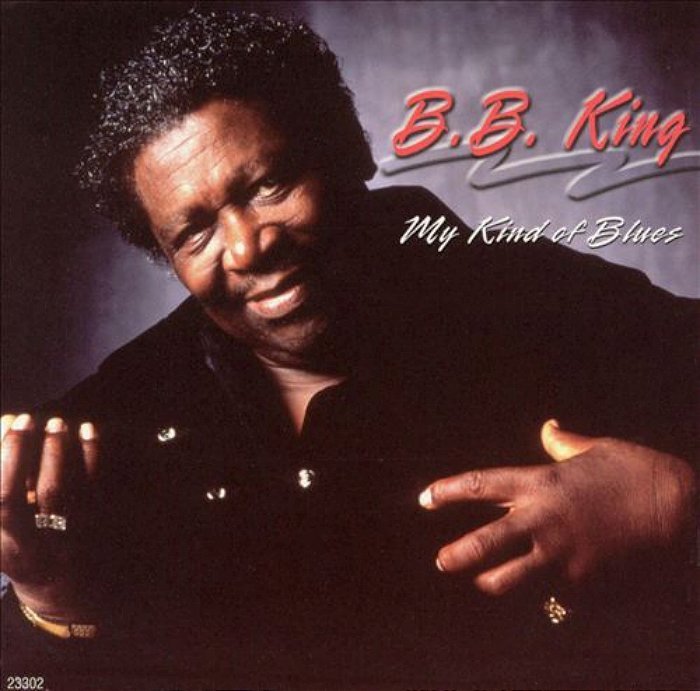
 View Artist