Song Meaning
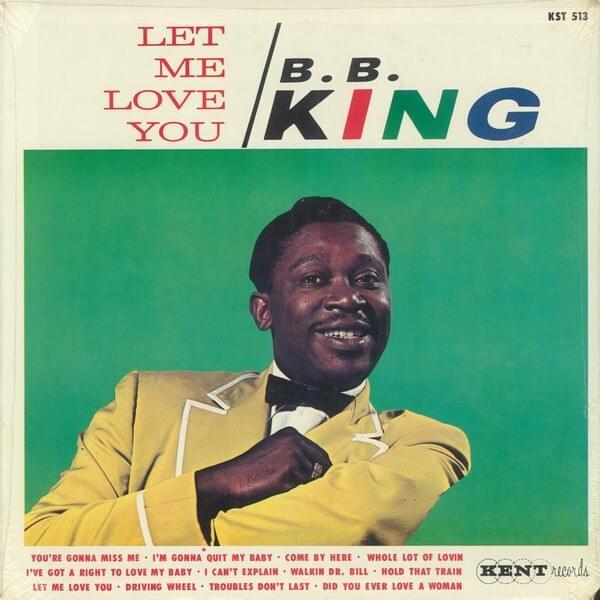
{"song_id": 11737702, "meaning": "B.B. King's \"Troubles Don't Last\" isn't just a blues lament; it's a raw, vulnerable reckoning with past mistakes and a plea for redemption. The song's core hinges on the universal theme of regret, but King elevates it through his masterful delivery and the nuanced emotional landscape he paints. The opening lines, a simple request to \"hold you baby,\" immediately establish a desperate need for connection, a yearning to escape the weight of past actions. This isn't just about physical comfort; it's about finding solace in another person's presence, a temporary reprieve from the internal turmoil that haunts him. The phrase \"trying to forget about the past\" is telling; the past isn't simply gone, it's a persistent force he's actively fighting against. The acknowledgment of the woman's \"hard time\" serves as both empathy and a subtle attempt to justify his own failings.
The central conflict emerges in the second verse: the singer's past disbelief in the woman's love. This is not a simple misunderstanding; it's a profound failure of trust, a rejection of genuine affection. The line \"I didn't believe a word you said\" cuts deep, revealing a closed-off heart, perhaps hardened by previous experiences or blinded by ego. Now, with the clarity of age and wisdom, he understands her \"ways,\" suggesting a newfound perspective on her intentions and actions. This realization fuels the subsequent plea for forgiveness.
The final verses are a complete surrender. \"I'm at your mercy, woman\" is a powerful declaration of vulnerability, a complete reversal of power dynamics. He's no longer the detached, skeptical lover; he's a man stripped bare, willing to accept whatever consequences she deems fit. The admission, \"Yes I was wrong and I must pay,\" is crucial. It's not just about seeking forgiveness; it's about acknowledging his culpability and accepting responsibility for his actions. The repeated request for \"just one more chance\" underscores the depth of his regret and his desperate hope for reconciliation. The final line, \"I'll do anything you tell me to,\" is the ultimate act of contrition, a complete submission to her will in an attempt to earn back her trust and love. In essence, \"Troubles Don't Last\" explores the complex interplay of regret, redemption, and the enduring power of love and forgiveness."}
 View Artist