Song Meaning
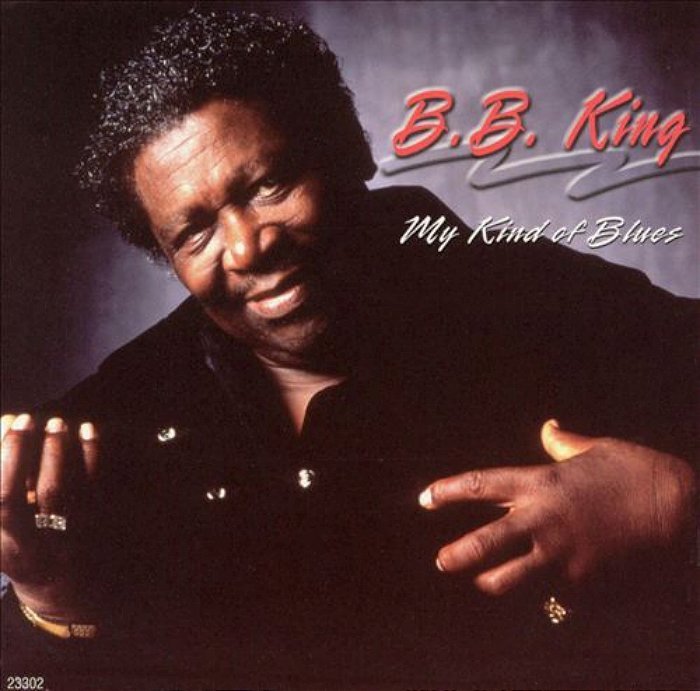
{"song_id": 11738036, "meaning": "B.B. King's \"Please Set a Date\" isn't just a plea for romance; it's a raw, blues-soaked exploration of desire, impatience, and the slow burn of frustration in a relationship. The repeated refrain, \"Hey baby, baby please set a date,\" acts as both a desperate request and a pointed accusation. It's a masterclass in using simplicity to convey complex emotional states. The immediacy of the request underscores a deeper anxiety: the fear of being perpetually put off, of having one's needs consistently unmet. King isn't just asking for a date; he's demanding a resolution to the agonizing limbo he finds himself in. The lyrics analysis reveals the man is willing to walk if there is no reciprocation. The threat, \"I'm going to leave your town,\" isn't delivered with anger but with weary resignation. It’s a last-ditch attempt to shock his partner into action, a desperate gamble fueled by the pain of unmet needs.
The genius of King's approach lies in the contrast between the straightforward lyrics and the simmering emotional undercurrent. He strips away any pretense, laying bare the fundamental human need for connection and the torment of its denial. Lines like, \"When I want some lovin', I really want it bad,\" are delivered with a vulnerability that transcends the typical blues bravado. He exposes the raw nerve of longing, the vulnerability that comes with wanting someone deeply and feeling that desire is not reciprocated.
Furthermore, the song meaning is amplified by the implicit power dynamic at play. The singer is clearly at the mercy of his partner's whims, reduced to begging for attention and affection. This imbalance of power fuels his frustration and his threat to leave. The final verse, referencing their initial vows of commitment, adds another layer of heartbreak. The contrast between the promise of forever and the current state of affairs highlights the devastating impact of broken trust and unmet expectations. B.B. King doesn't just sing the blues; he embodies them, transforming personal pain into a universal expression of longing and disappointment."}
 View Artist