Song Meaning
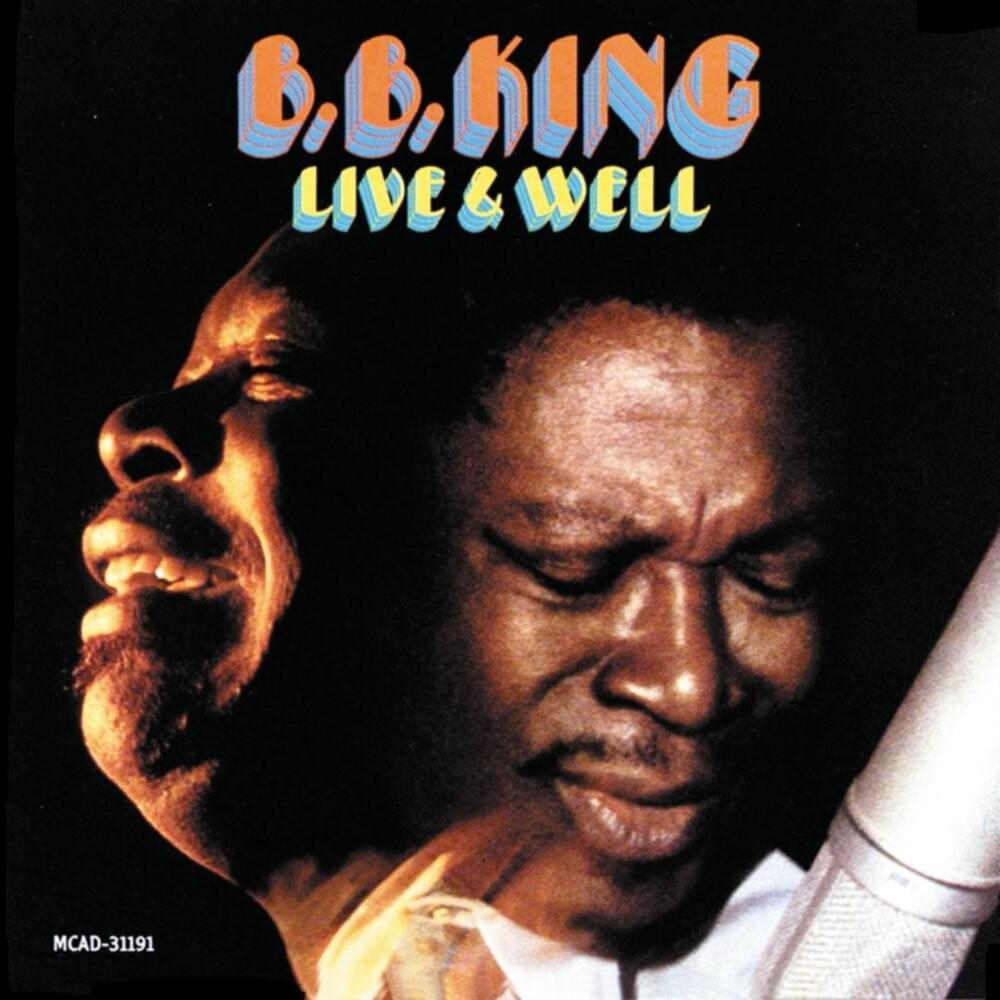
B.B. King's "Please Accept My Love" is a masterclass in blues vulnerability, stripping away machismo to expose the raw, almost desperate, core of romantic longing. The song meaning isn't buried in complex metaphor; it's laid bare in the direct plea of the title. This isn't a boastful bluesman swaggering after a conquest; it's a man humbled by love, confessing devotion to someone he barely knows. The opening lines, "I don't even know your name / But I love you just the same," immediately establish a dynamic of infatuation bordering on obsession, a feeling amplified by the repeated entreaties for reciprocation. It's the blues refracted through a lens of almost childlike sincerity.
King's performance elevates the simple lyrics into something profoundly moving. The repetition of "please" isn't just politeness; it's the sound of a man bargaining with fate, laying his emotional cards on the table. The lyrics analysis reveals a precarious emotional state. Lines like "So please don't let me fall" hint at a deep-seated fear of rejection, a vulnerability that transcends the typical blues lament. The desire to "make you understand" suggests an almost impossible task – to convey the immensity of his feelings to someone who may be indifferent. He's not just asking for love; he's begging for understanding, for a connection that justifies the intensity of his emotions.
The final verse takes the song into darker territory. The offer to "be your slave" is a troubling, if hyperbolic, expression of devotion, highlighting the unequal power dynamic inherent in such intense infatuation. The vow to end his life if she dies first is, arguably, the song's most unsettling line, pushing the boundaries of romantic expression into the realm of obsession and potential self-destruction. It transforms "Please Accept My Love" from a simple blues ballad into a psychologically complex exploration of love's darker edges, where devotion can blur into unhealthy fixation. It is B.B. King's unflinching willingness to expose this rawness that makes the song so deeply affecting, a testament to the power of vulnerability in the blues.
 View Artist