Song Meaning
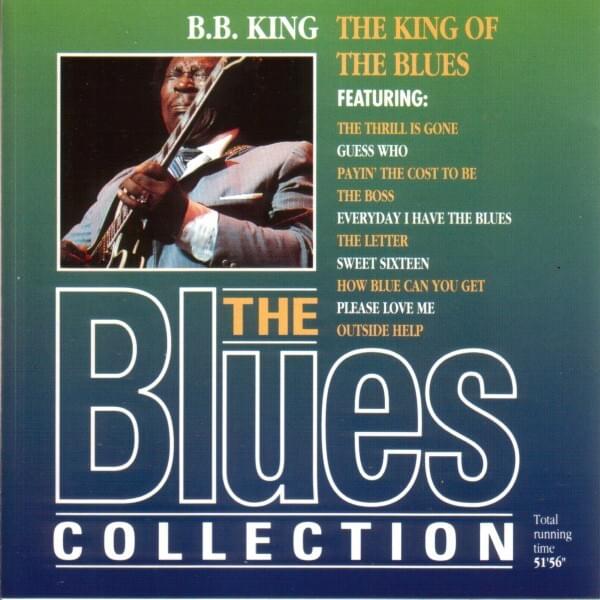
{"song_id": 11738072, "meaning": "B.B. King's \"Payin' The Cost To Be The Boss\" isn't just a blues lament; it's a raw assertion of power dynamics within a relationship, viewed through the lens of mid-20th century gender roles. The song meaning hinges on the traditional, almost transactional, exchange: financial support for unquestioning obedience. He's not just singing about love; he's laying down the law. The repeated refrain, \"As long as I'm payin' the bills woman, I'm payin' the cost to be the boss,\" makes this explicit. It's a stark, unapologetic claim to authority rooted solely in his role as provider. The lyrics expose the fragile ego beneath the bravado, hinting at a deeper insecurity masked by the demand for control. He acknowledges her dissatisfaction (\"You act like you ashamed / You don't act like my woman\"), but rather than addressing the core issues, he doubles down on his financial leverage.
The psychological undercurrent of \"Payin' The Cost To Be The Boss\" revolves around control and validation. King's narrator seems to crave not just obedience, but also respect and admiration, which he attempts to purchase through financial security. The lines about drinking and playing poker, coupled with the demand for silence, suggest a man who feels entitled to certain vices and freedoms precisely because he perceives himself as the sole breadwinner. He's daring her to challenge his authority, knowing full well the economic dependence that binds her. It’s a calculated power play, designed to reinforce his dominance and quell any perceived insubordination.
Ultimately, the song's enduring power lies in its unflinching portrayal of a relationship teetering on the edge of collapse. It's a blues standard not because it celebrates love, but because it dissects the corrosive effects of unequal power dynamics. The raw emotion in B.B. King's delivery underscores the desperation and vulnerability lurking beneath the surface of this seemingly patriarchal decree. The listener is left to ponder the true cost of being the boss, and whether the price is worth paying when it comes at the expense of genuine connection and mutual respect."}
 View Artist