Song Meaning
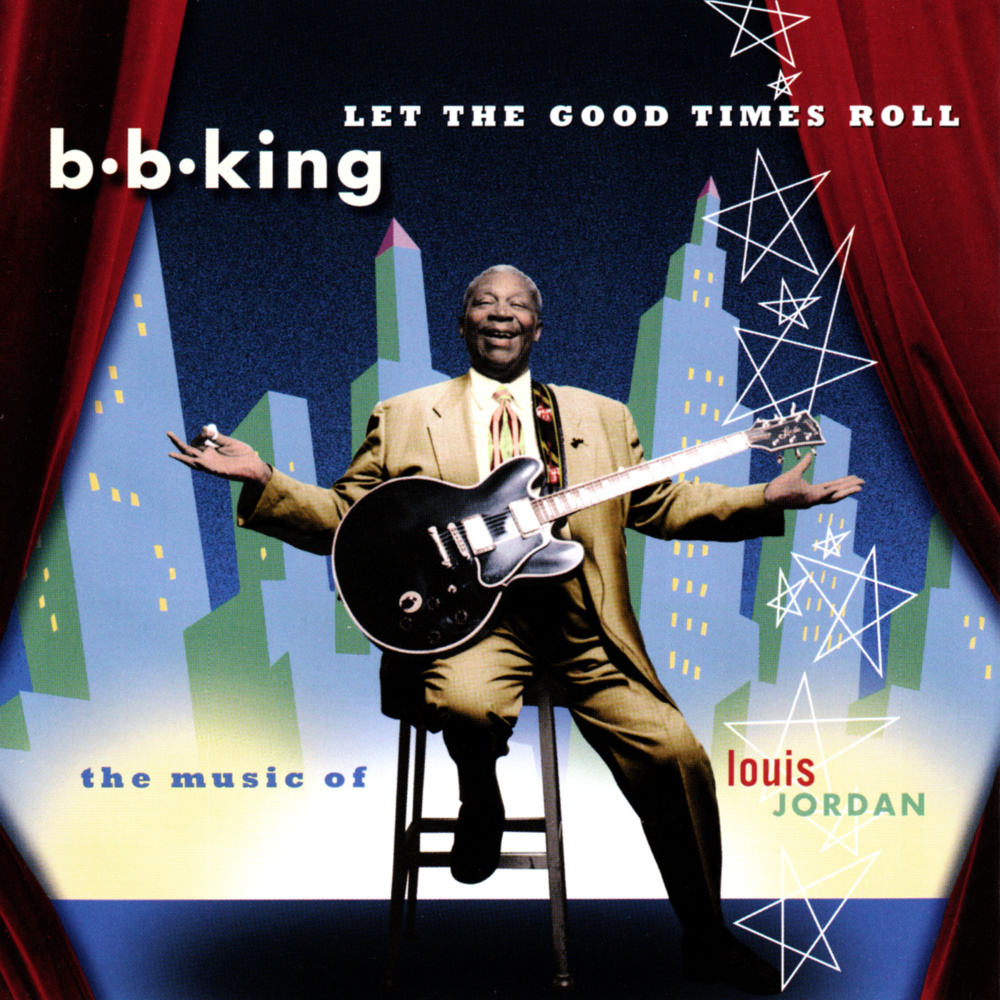
B.B. King's rendition of "Nobody Knows You When You're Down and Out" isn't just a blues lament; it's a stark, unsentimental autopsy of human nature, viewed through the lens of sudden financial ruin. The song's power lies in its brutal honesty about fair-weather friends and the isolating experience of losing social standing. King doesn't wallow; he delivers the reality check with a world-weary shrug, the kind that only comes from living the tale. The lyrics paint a vivid picture of conspicuous consumption followed by an equally conspicuous absence of companionship. The initial verses detail a life of carefree spending, "buying champagne, gin and wine," a hedonistic spiral fueled by overflowing coffers. But the turn is swift and merciless: "just as soon as my dough got low / I couldn't find a friend, no place I go." The core of the song meaning resides in this stark contrast – the recognition that social connection was contingent on wealth, not genuine affection. This is a cold, hard lesson delivered with bluesy resignation.
"Nobody Knows You When You're Down and Out" also subtly explores the psychological impact of financial insecurity. It's not simply about being broke; it's about the crushing realization that one's identity, or at least one's perceived value, was tied to material possessions. The lyrics about once owning a mansion and throwing lavish parties underscore this point. The loss isn't just of comfort but of status, leading to social invisibility. The repeated line, "Nobody wants you when you're down and out," isn't a plea for sympathy but a cynical observation. The 'friends' were never really friends. This abandonment amplifies the sense of isolation and fuels a defensive posture, symbolized by the determination to "squeeze" every future dollar "till the eagle grins." This isn't just frugality; it's a guarded, almost paranoid approach to money, born from the trauma of being discarded.
Ultimately, B.B. King’s masterful interpretation of "Nobody Knows You When You're Down and Out" transcends its surface narrative of financial misfortune. It’s a commentary on the transactional nature of relationships, the fickle nature of society, and the psychological scars left by economic hardship. The song’s enduring appeal lies in its unflinching portrayal of a universal fear: the fear of being alone, not just because of poverty, but because of the loss of social currency that comes with it. It's a blues standard because it taps into the deeper anxieties about belonging and worth, anxieties that resonate far beyond the specific context of wealth and poverty.
 View Artist