Song Meaning
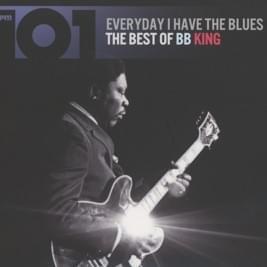
B.B. King doesn’t just sing the blues; he embodies them. In “Long Nights,” King excavates the raw, hollowed-out core of heartbreak with a stark simplicity that’s both universal and deeply personal. The song meaning isn't buried in complex metaphors; it's laid bare in the speaker's immediate, visceral reaction to loss. Time itself warps into an agonizing stretch of “long nights” and “days so blue,” a classic blues trope made fresh by King’s understated delivery. It's the kind of heartache where the world loses its color, reduced to shades of sorrow. The lyrics aren't flowery; they're direct, like a punch to the gut. “Everything has gone wrong / Baby 'cause I'm without you” is a sentiment so fundamental it transcends genre. The repetition of “the feeling they call the blues” isn't just a lyrical hook; it's an acknowledgement of a shared human experience, a communal language of pain.
The second verse amplifies the isolation. “All by myself baby, yes I began to weep” is a moment of unguarded vulnerability. The act of weeping, followed by the inability to sleep, underscores the psychological torment of grief. It's not just sadness; it's a disruption of basic human functions, a sign that the loss has penetrated to the core. The third verse moves into a more hallucinatory state. The image of sitting in a “dark room” with “tears running down my face” evokes a sense of claustrophobia, both literal and emotional. The repetition emphasizes the cyclical nature of grief, the feeling of being trapped in a loop of sorrow. But then, something shifts: “Yes I can feel and I can see you…all over the place.” This isn't just memory; it's a haunting, a pervasive sense of the absent lover's presence that intensifies the pain.
Finally, the restless energy emerges. “Then I start walkin', woman / Start walkin' all over the floor.” This physical manifestation of grief suggests an inability to sit still, to find peace. The body becomes a vessel for the churning emotions. The speaker is trapped between the physical reality of the room and the emotional reality of loss, pacing like a caged animal. The repetition of “the feeling” in the final line drives home the central theme of the song: the all-encompassing, soul-crushing experience of the blues. B.B. King doesn’t just describe the blues; he invites us to feel them, to recognize them in our own lives, and to find solace in the shared experience of human suffering. This lyrics analysis reveals the song's power lies in its stark honesty and emotional resonance.
 View Artist