Song Meaning
The lyrics paint a picture of someone embracing solitude as a lifestyle, a refuge from judgmental eyes. This narrator finds a peculiar aesthetic in observing the world pass by from a bicycle, a detached yet engaged perspective. The choice of companions is based on superficial details like ties and haircuts, which the narrator acknowledges others might deem trivial. This points to a deliberate, perhaps even performative, curation of their social interactions, seeking a specific kind of beauty or meaning in the mundane.
The central tension arises from the narrator's internal world versus external perception, particularly the harsh judgment from others. The line "Allora succede che torna la nausea" suggests that despite seeking solitude, the external world's negativity or the narrator's own internal conflict can still trigger discomfort. This is amplified by the direct address from "Lei," who repeats gossip about the narrator being a "bastardo" who "sleeps in everyone's beds / never sleeping." This external accusation directly challenges the narrator's self-imposed isolation and their perceived detachment.
The most striking craft element is the recurring image of the "bouquet di viole" (bouquet of violets) that the recipient "won't like." This juxtaposition of a delicate, often romantic gesture with a predicted rejection creates a poignant sense of isolation and misunderstanding. The narrator offers this seemingly sweet gift, yet anticipates its unappreciation, highlighting a fundamental disconnect. The plea "Baciatemi e scordatemi" (Kiss me and forget me) further emphasizes this desire for fleeting connection without lasting entanglement, a complex emotional state.
Ultimately, the lyrics resonate because they articulate a specific kind of alienation and a search for meaning in unconventional ways. The narrator’s self-awareness of their own eccentricities, coupled with their vulnerability to external judgment and their longing for a love that might be as simple as "just a flower," creates a compelling portrait of someone navigating a world they find both beautiful and unbearable. nauseating. The repeated question, "La bellezza che cos'è?" (What is beauty?), hangs over the entire piece, suggesting a profound, ongoing inquiry into value and connection.
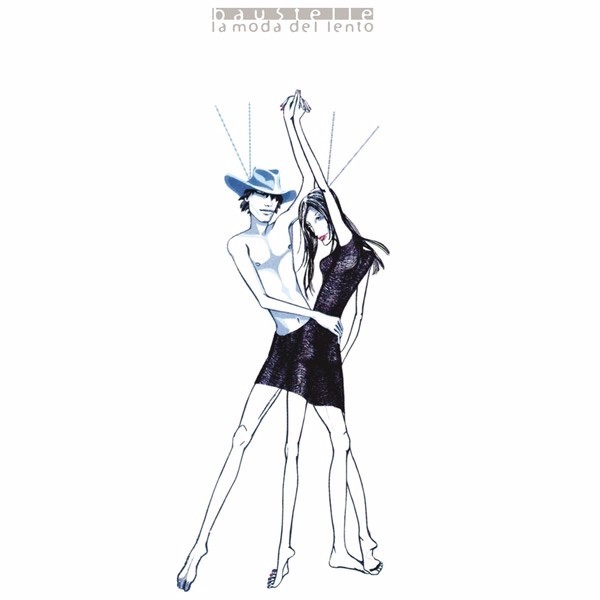
 View Artist