Song Meaning
The lyrics paint a stark portrait of a young woman's descent into chaos, framed by a backdrop of societal turmoil. The opening lines establish a sense of existential dread, with "Vivere non è possibile" setting a grim tone before she succumbs to "gas" and "caos." This initial depiction is laced with a complex affection; she's called "mia amica, era una stronza," a contradiction that hints at a volatile but deeply felt connection. Her brief, intense life is marked by a "t-shirt dell'epoca" and a trajectory through "punk" and "crack," culminating in a relationship with a "nazista" met in a brawl, underscoring a life lived on the fringes and in defiance of conventional order.
The central tension arises from the juxtaposition of external conflict and the narrator's internal declaration of peace. Despite "bombe" and "fame," and later "mine" and global powers like "Belgrado, America e Bush," the woman leaves behind a message: "La guerra è finita / Per sempre è finita / Almeno per me." This refrain, repeated with increasing emphasis, suggests a personal liberation achieved through extreme means, a radical act of self-determination against overwhelming external pressures. The lyrics imply that her final act is a deliberate choice to end her own internal and external battles, regardless of the ongoing global conflicts.
The most striking craft element is the recurring contrast between the bleak reality and the defiant, almost triumphant, declaration of peace. The image of "parole nere di vita" – black words of life – written on a "foglio" (sheet) or spat from a "penna" (pen) is particularly potent. It suggests that even in the darkest moments, or through the very act of ending it all, there is a final articulation of existence. The detail of a "Bic profumata" (scented Bic pen) used by a "bruciata" (burnt) actress adds a layer of tragic theatricality, as if her final act was a performance, a dramatic exit declaring her personal armistice.
This writing is effective because it grounds abstract concepts like war and peace in a deeply personal, albeit fragmented, narrative. The specific, often jarring, details—the "nazista," the "furto all'Esselunga," the "caramba"—create a vivid, almost cinematic, portrayal of a life spiraling out of control. Yet, through the repeated, simple declaration, the lyrics offer a strange sense of closure, a final, defiant assertion of agency. It’s this collision of external chaos and internal resolution, however grim, that makes the narrator's final words resonate with a powerful, unsettling finality.
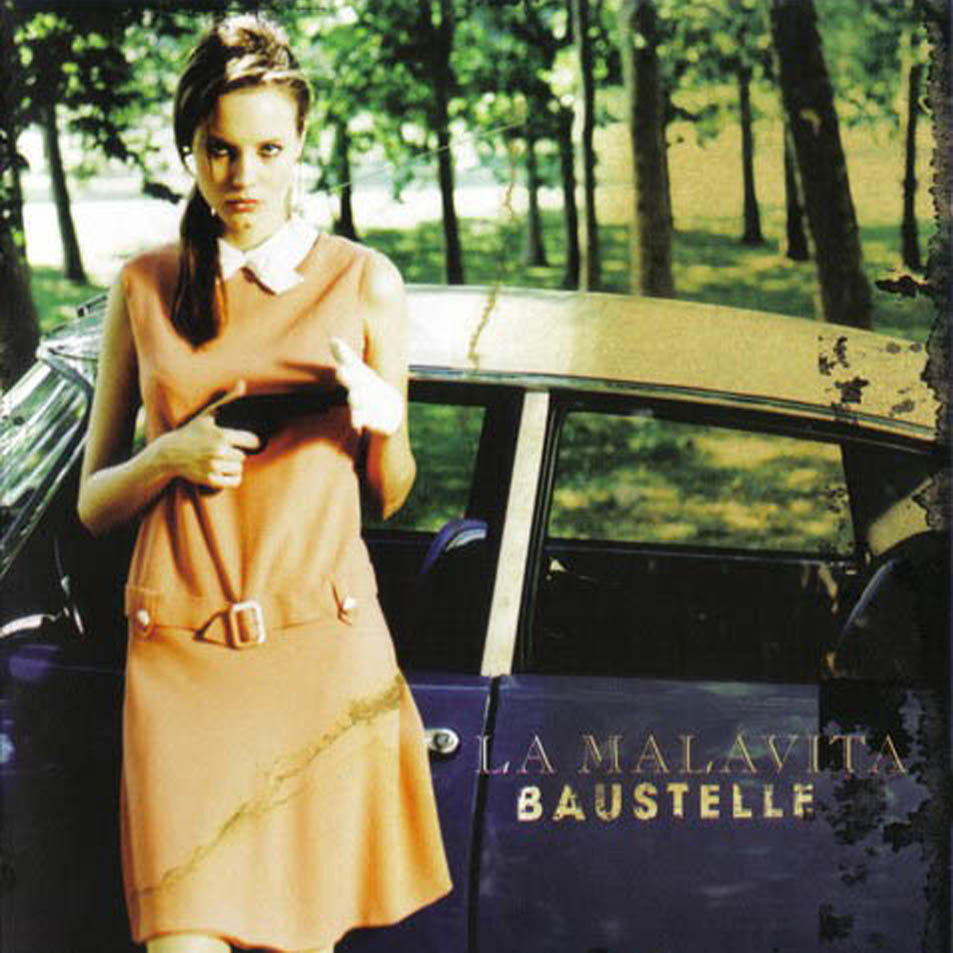
 View Artist