Song Meaning
The lyrics paint a picture of anxious anticipation, set against the backdrop of a "snowy morning" that feels like it's finally ending. There's a palpable sense of dread tied to a "pilgriming vine" that the narrator fears is "coming to take me." This vine seems to represent an inevitable, perhaps consuming, force. The narrator feels like one of many who are "waiting" and "falling down below," suggesting a shared fate or a collective experience of succumbing to this encroaching presence. The plea, "So quietly wishing my only / Never looks down by the maple if he goes," hints at a desire to protect someone precious from witnessing this downfall or from being drawn into it themselves.
The central tension arises from the contrast between the narrator's fear of being taken and the desperate hope for connection and permanence. The verse introduces a new layer of uncertainty, focusing on "tomorrow" and what will be revealed in another person's "eyes" and "voice." The imagery of "silver" and "rubies" suggests a desire for tangible proof of affection or value, while the repeated phrase "They've been calling your name to me lately" implies a growing awareness or a persistent thought about this other person. The narrator’s plea shifts to a demand: "So tell me you're always my only," a desperate attempt to secure their status against the encroaching vine.
The most striking craft element is the personification of the "pilgriming vine" as an active, almost sentient entity that is both feared and, in the final refrain, tentatively embraced. The act of tasting it and asking it to "grow in" suggests a complex relationship where the feared force might also be a source of sustenance or transformation. The repetition of "Never look down" acts as a desperate mantra, a plea for obliviousness or perhaps for the other person to maintain their own path and not be affected by the narrator's perceived fate. This creates a poignant sense of isolation, even within the expressed desire for connection.
These lyrics resonate because they capture a profound sense of vulnerability and the desperate human need for reassurance in the face of overwhelming, undefined threats. The juxtaposition of the cold, stark imagery of snow and falling with the warm, precious gems of silver and rubies highlights the internal conflict between fear and desire. The narrator’s oscillation between fearing the vine and asking it to grow within them reveals a complex emotional landscape, making the plea to be someone's "only" feel like a fragile anchor against an inevitable tide.
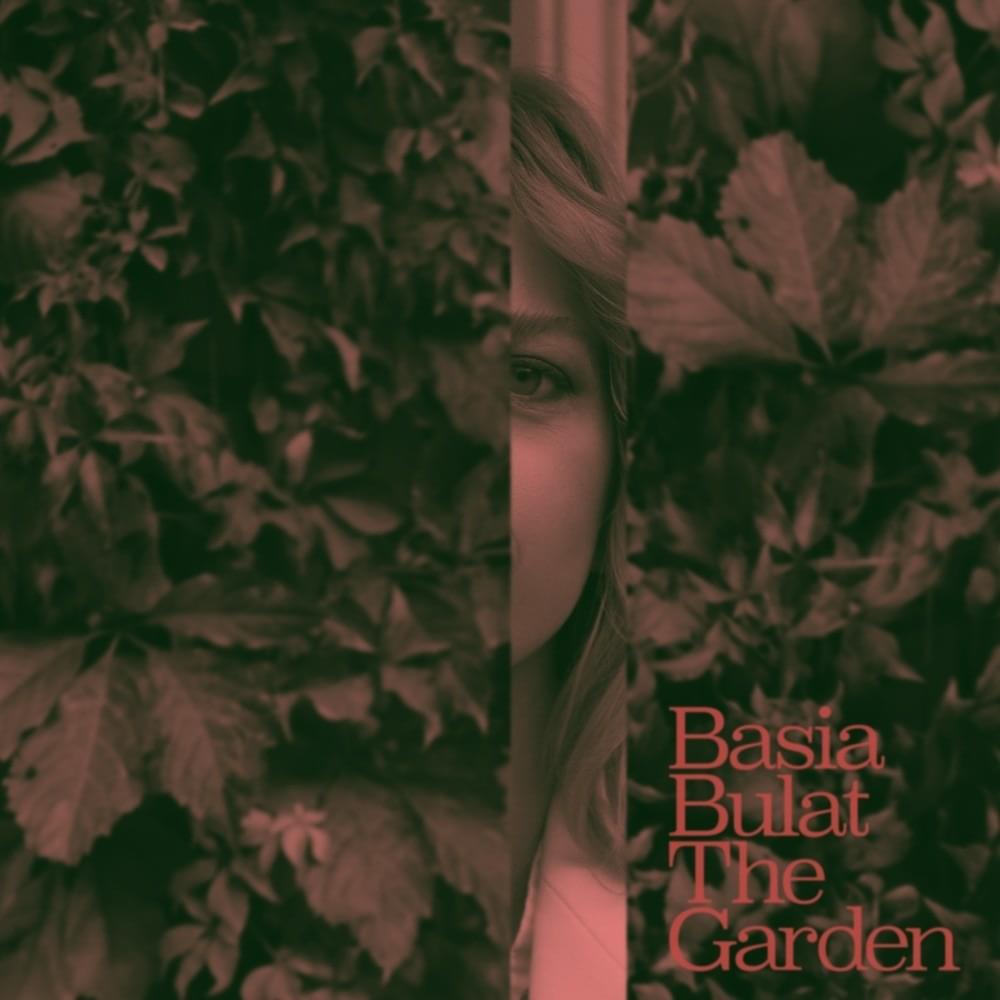
 View Artist