Song Meaning
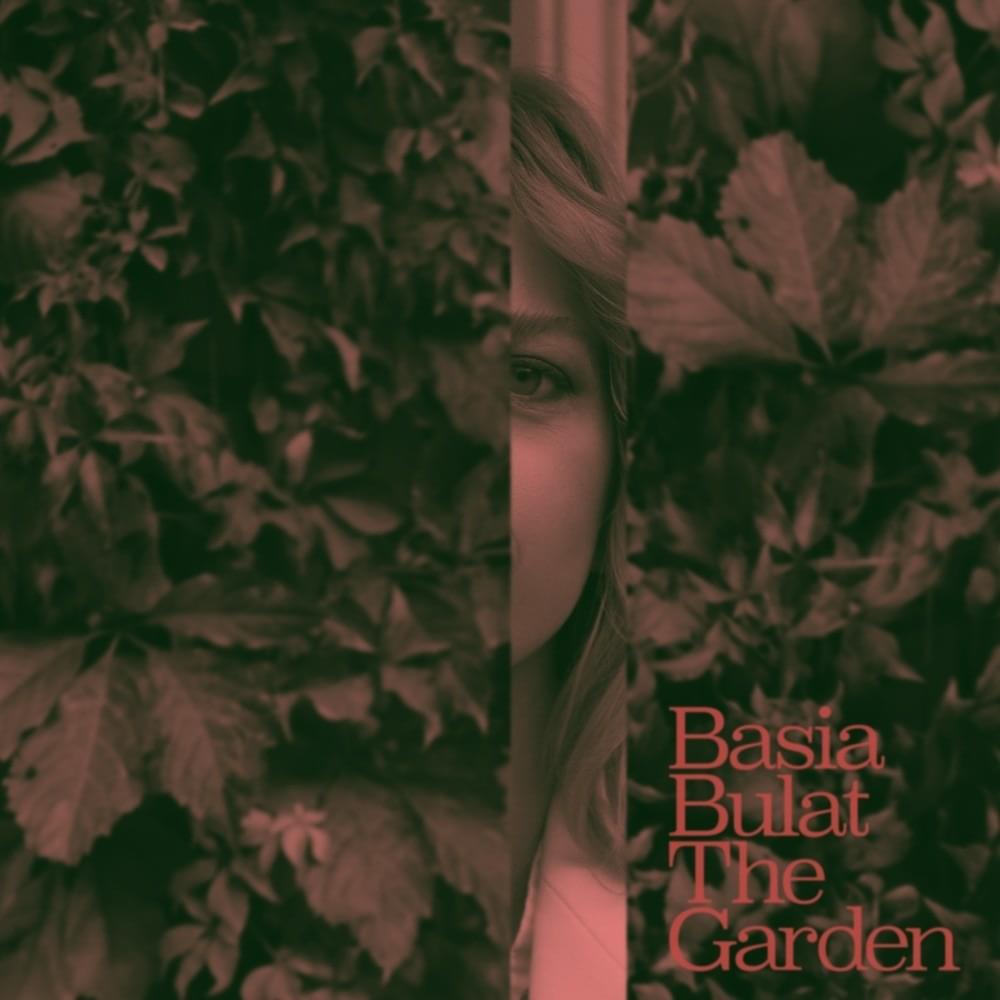
The lyrics paint a picture of a specific, almost dreamlike place, a "garden we wanted" that exists on the edge of an ocean. It's a space where the grass grows tall and lilacs have finished blooming, suggesting a moment of quiet maturity or perhaps a time just past its peak vibrancy. The narrator emphasizes keeping eyes closed to truly perceive this space, hinting at an internal, subjective experience rather than a purely physical one. This setting feels both real and imagined, a sanctuary built from shared desire.
The central tension revolves around a deliberate choice to move forward without dwelling on the past. The repeated refrain, "We won't look back / And if we don't, we won't be lost," acts as a mantra, a promise of safety found in forward momentum. This isn't just about forgetting; it's about actively choosing a path where looking backward is equated with losing one's way. The contrast between the overgrown lilacs and the past endearment, "You were still calling me darling," suggests that even in moments of decay or neglect, the core connection or memory remains potent.
The most striking craft element is the juxtaposition of the idyllic "garden" with the precarious "edge of an ocean." This imagery creates a sense of beautiful isolation, a place that is both cherished and potentially vulnerable to the vast unknown. The idea of "minding the old fence" further reinforces this delicate balance, suggesting a need for careful navigation within this desired space. The future is considered with a tentative hope, "In a year or two if we find ourselves / Walking through," implying that this garden is not a static paradise but something that might need to be rediscovered or maintained.
Ultimately, the effectiveness of these lyrics lies in their ability to evoke a specific, introspective mood. The gentle repetition and the focus on a shared, imagined space create a feeling of intimate reassurance. The promise of not being lost by refusing to look back offers a simple yet profound comfort, grounding the listener in the present moment and the potential of a carefully tended, albeit slightly wild, personal sanctuary.
 View Artist