Song Meaning
The lyrics paint a picture of a sudden, overwhelming infatuation that transforms the narrator's perception of reality. The initial sighting of the beloved in the morning light is so impactful that it seems to alter the very nature of light itself, making all internal "voices" become echoes of the beloved. This suggests a profound shift, where the external world is filtered entirely through the lens of this new fixation.
The central tension lies in the narrator's desire to reciprocate the intense feelings they've encountered, coupled with a sense of disorientation. Phrases like "Do it again girl" and "Tell me when girl" indicate a yearning for guidance or repetition of the experience that has so captivated them. The repeated promise, "I will bring you love," becomes a mantra, an assertion of intent to match the overwhelming emotion that has taken hold, even as the narrator admits to losing their own sense of self.
The most striking craft element is the blurring of internal and external experience. The "voices" that "surround" and "astound" the narrator, initially associated with "bells were ringing, voices singing," eventually become "voices in my head" singing "melodies of treasure." This internal chorus, inspired by the beloved's "lips were painted red," directly leads to the narrator's own declaration of intent: "I will bring you love." The lyrics suggest that the beloved's presence has essentially rewired the narrator's internal landscape, making their own expression of love a direct consequence of this profound internal shift.
This lyrical construction is effective because it captures the disorienting, almost hallucinatory quality of intense new love. The shift from external sensory input to internal mental states, all attributed to the beloved, mirrors the way infatuation can consume one's entire consciousness. The final lines, "I will bring you life / I will bring you love," offer a powerful, albeit slightly unhinged, resolution, framing the narrator's devotion as a complete offering, a merging of their being with the object of their affection, even if it means losing themselves in the process.
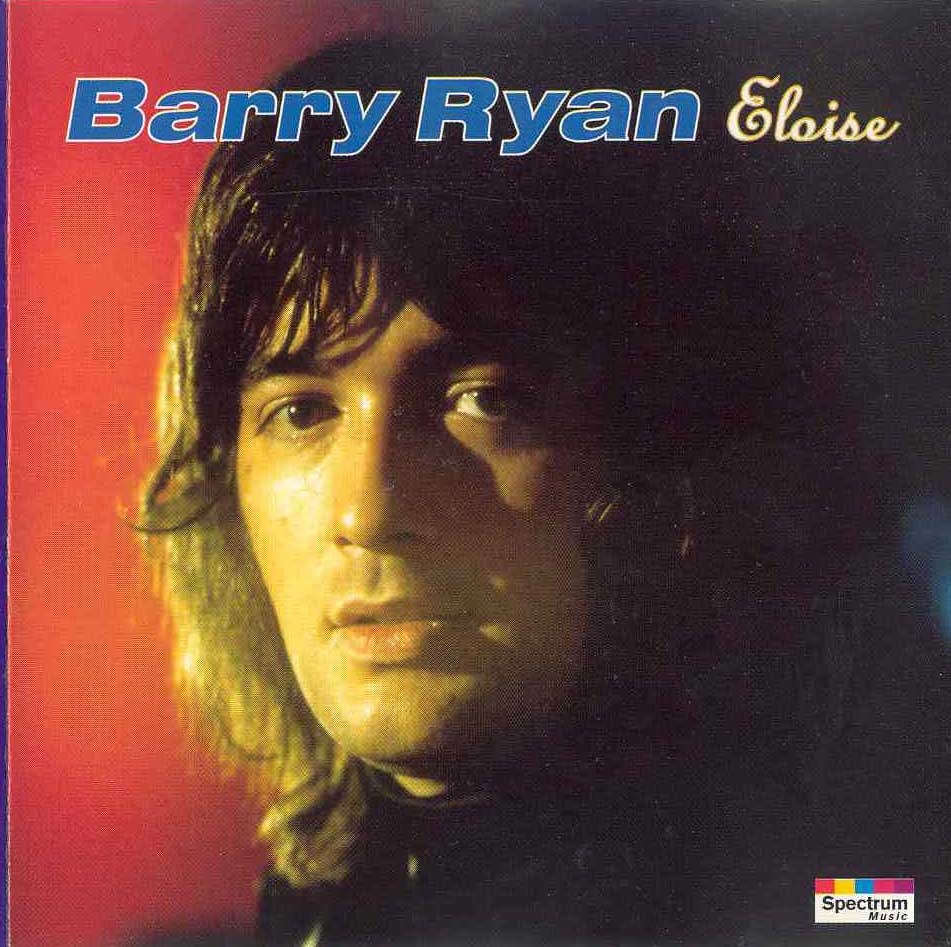
 View Artist