Song Meaning
This track lays out a stark, pragmatic approach to the end of a romantic relationship. The opening lines immediately establish a sense of finality: "When it's over, really over / There ain't nothin' can start it over again." It’s a blunt acknowledgment that some doors, once closed, stay shut, urging the listener to accept this reality rather than dwelling on what's lost. The core directive, "Though you've lost a lover, try to win a friend," emerges as a survival strategy, a way to salvage connection from the ashes of romance.
The central tension lies in the conflict between the pain of a definitive breakup and the practical advice to pivot towards friendship. The lyrics acknowledge the natural impulse to grieve – "cry your eyes out" – but frame it as a temporary, insufficient measure. The real goal, according to this perspective, is to preserve some form of relationship, suggesting that the value of a friend can, in some ways, supersede the loss of a lover. This is a tough-love philosophy, prioritizing forward momentum and continued connection over prolonged sorrow.
The most striking aspect is the almost transactional framing of post-breakup interaction. Instead of mourning the lost lover, the focus shifts to a strategic "win a friend." This suggests a conscious effort to reframe the relationship, moving from intimacy to companionship. The repeated phrase "Shake hands goodbye then, for remember when" highlights the importance of shared history as the foundation for this new, platonic bond. It’s a call to action, urging the listener to actively cultivate the remaining threads of connection.
Ultimately, the effectiveness of these lyrics stems from their unflinching realism and the actionable advice offered. They don't offer platitudes about healing; instead, they provide a concrete, albeit emotionally challenging, path forward. The emphasis on active effort – "try to keep your body busy" and "try to win a friend" – empowers the listener to take control in a situation that feels inherently uncontrollable. It’s a blueprint for navigating the end of love by focusing on what can still be salvaged.
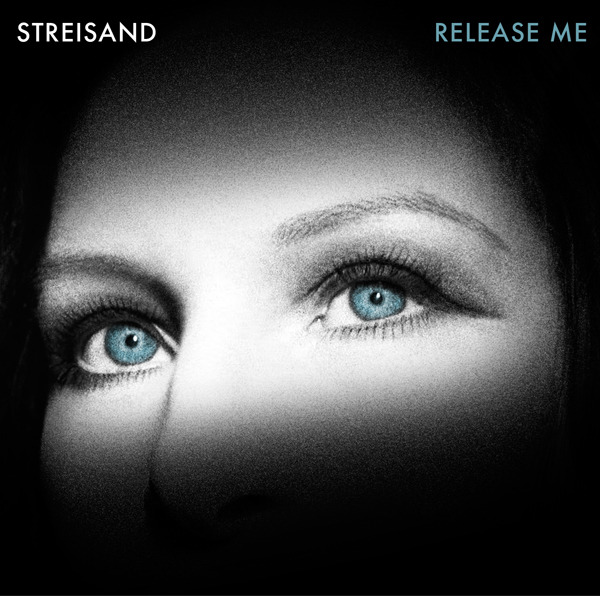
 View Artist