Song Meaning
The lyrics immediately immerse us in a reflective state, sifting through "misty watercolor memories" of a bygone era. It's a tender look back, tinged with a soft, almost dreamlike quality. The narrator appears to be grappling with a past relationship or significant period, seen through a hazy, idealized lens.
The core tension lies in the reliability of these cherished memories. The bridge directly confronts this: "Can it be that it was all so simple then? Or has time rewritten every line?" This rhetorical question introduces a crucial doubt, suggesting that the past might be more complex than it now appears. The narrator grapples with whether their current perception is accurate or a product of selective recall.
The imagery of memory itself is key to this internal conflict. "Misty watercolor memories" and "scattered pictures" paint a picture of fragmented, impressionistic recollections rather than sharp, clear facts. This deliberate blurring allows for the later admission that "what's too painful to remember / We simply choose to forget." The lyrics suggest memory isn't a perfect archive but a curated gallery, where difficult moments are actively edited out to preserve a more palatable narrative.
This selective remembering, culminating in the focus on "the laughter / We will remember," is what truly resonates. It's a poignant acknowledgment of how we cope with loss and change, choosing to hold onto the joy even when the full truth might be more complicated. The lingering question, "Tell me, would we? Could we?" about revisiting the past, leaves a powerful sense of unresolved longing, highlighting the bittersweet nature of looking back. The lyrics effectively capture the human tendency to romanticize what's gone, even when we know it's not the whole story.
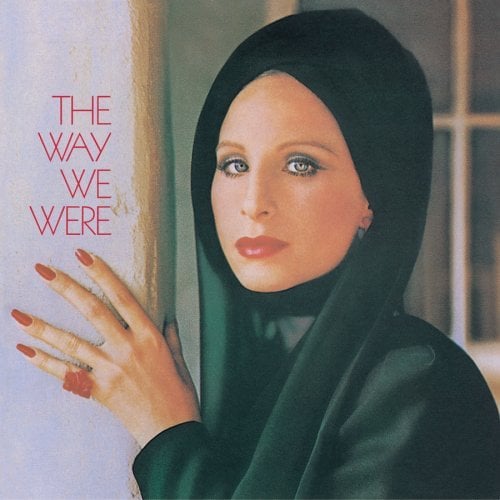
 View Artist