Song Meaning
The lyrics paint a vivid picture of a relationship's end, framed as a theatrical performance. The opening lines immediately establish a sense of anticlimax: "Why was there no applause?" The narrator and their partner believed their "best performance" was flawless, meticulously rehearsing every line and gesture. This suggests a deep, shared understanding and effort invested in maintaining the relationship, even as it was clearly deteriorating internally. The contrast between their internal perception of perfection and the external lack of validation highlights a profound disconnect.
The central tension lies in the bittersweet acknowledgment of a story's inevitable conclusion. Despite knowing "our story was ending," the finality of the moment still brought surprise. The phrase "Some things are just too good to be true" encapsulates this feeling of disbelief, suggesting the relationship itself was almost impossibly beautiful or perfect, making its demise feel unreal. The narrator explicitly states "no one's to blame," diffusing responsibility and emphasizing a sense of fate or external forces at play.
The most striking craft element is the extended metaphor of a play. The couple are actors, their relationship the "performance," their dialogue "lines," and the end "bringing down the curtain" and "closed the play." This theatrical framing allows for a controlled expression of grief, where "tears fell" during the act, but the real emotional weight seems to hit "moments after we left the stage." The repeated refrain "If it's meant to be" acts as a quiet, hopeful resignation, a belief that perhaps this ending is a necessary prelude to future happiness, even if that future is currently unseen.
This writing is effective because it externalizes internal emotional turmoil through a relatable, albeit melancholic, metaphor. The consistent theatrical imagery provides a structure for processing loss, making the pain feel managed and almost beautiful in its presentation. The gentle, fated tone of the conclusion, "Love would wait for us someday, someway," offers a quiet comfort, suggesting that even failed performances can lead to a better act later on, provided one believes in the possibility of "meant to be."
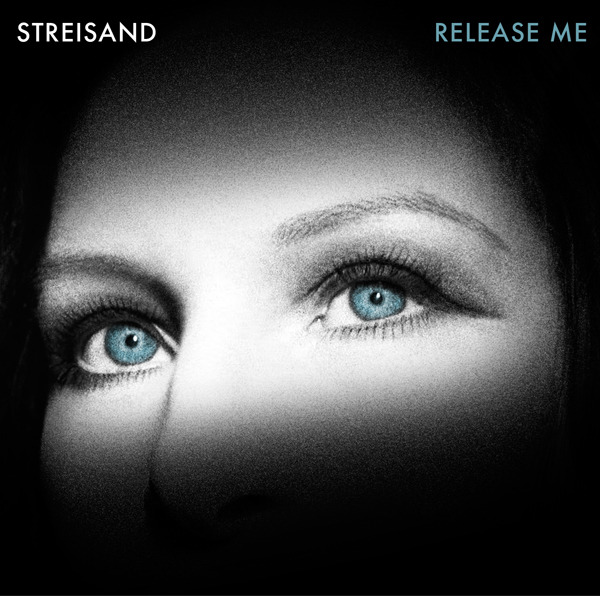
 View Artist