Song Meaning
Barbara Mandrell's rendition of "The Letter" is raw, immediate longing distilled into a three-minute plea. Forget subtle countrypolitan narratives; this is the sound of pure, unadulterated separation anxiety slamming against the listener's ears. The driving rhythm and Mandrell's forceful vocals leave no room for doubt: this ain't a suggestion, it's a demand. A demand to collapse distance, to eradicate the space that separates her from the writer of that pivotal letter. The airplane ticket isn't a luxury; it's the only viable solution to a crisis of the heart. The lyrics analysis reveals a primal need overriding rational thought. Money is irrelevant. Time is an enemy.
The repetition in "The Letter" isn't just a musical device; it's a window into a mind fixated. "Lonely days are gone, I'm going home" becomes a mantra, a desperate attempt to rewrite reality through sheer force of will. "My baby just wrote me a letter" isn't just a statement of fact; it's the justification for everything that follows. The letter itself, though never explicitly quoted beyond its core message of dependence, serves as the entire emotional foundation of the song. It's a symbol of connection, of reassurance, and most importantly, of being wanted. The absence of that feeling is what fuels the urgency.
Ultimately, the song meaning rests on the simple, yet profound, power of reciprocated need. It's a testament to the enduring human desire to be essential to someone else's existence. The frantic energy of "The Letter" underscores the vulnerability inherent in that desire, laying bare the fear of abandonment and the desperate measures one might take to quell it. Barbara Mandrell doesn't just sing the song; she embodies the raw, unfiltered emotion at its core, transforming a simple narrative into a powerful statement about love, longing, and the transformative power of a single, life-affirming letter.
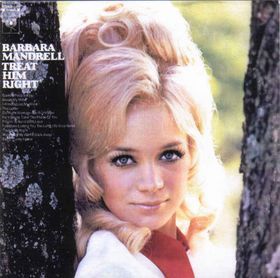
 View Artist