Song Meaning
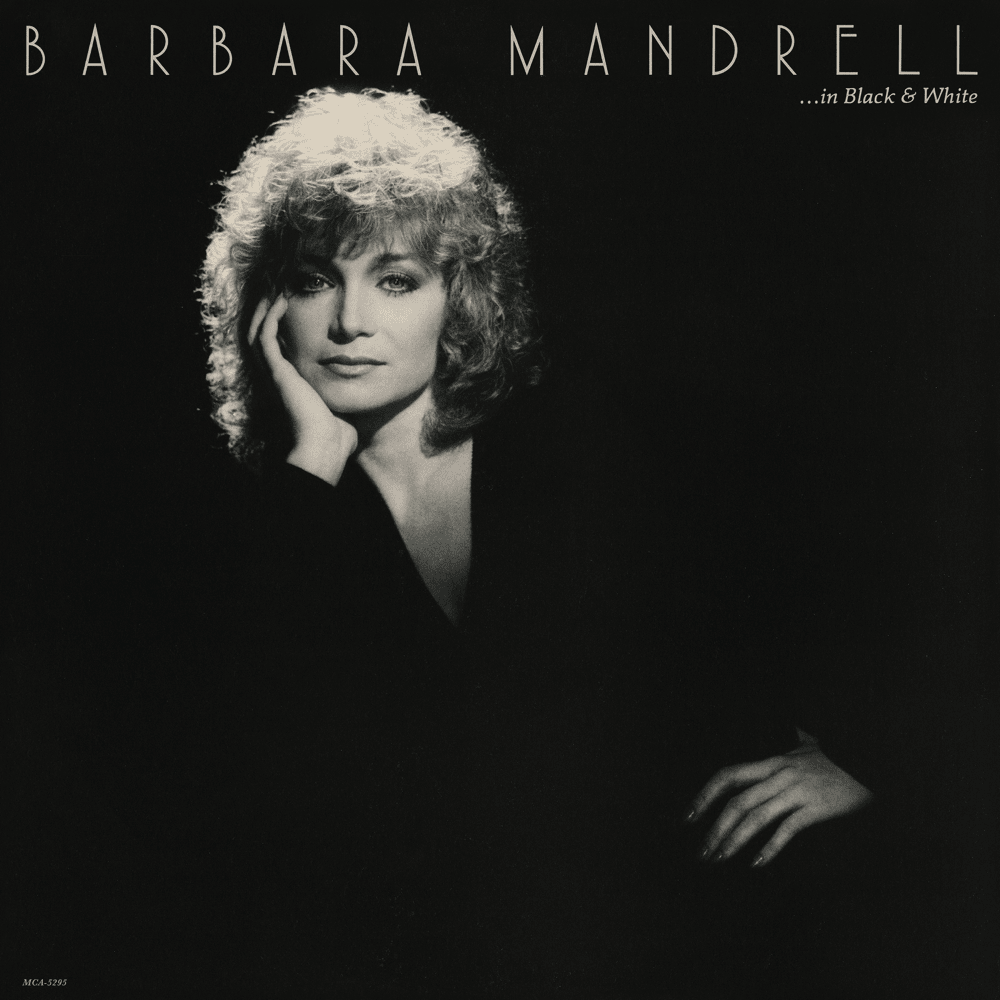
Barbara Mandrell's rendition of "The Thrill Is Gone" isn't just a lament; it's a post-mortem examination of love's slow fade, delivered with a steely resolve that cuts deeper than simple heartbreak. The repetition of the title phrase acts as a mantra, a way to drill the truth into the singer's own consciousness. But beyond the surface-level reading of romantic disappointment, the song explores the complex psychology of detachment. It's about acknowledging the end of an era, the death of a feeling that once defined a relationship. The singer isn't necessarily wallowing in despair; instead, there's a sense of weary acceptance, a recognition that holding on would be a greater betrayal of self.
The lyrics, stark and direct, paint a picture of emotional liberation achieved through loss. Phrases like "free from your spell" suggest a power dynamic that has shifted, with the singer reclaiming agency after a period of emotional subjugation. The acknowledgment of wrongdoing ("you know you done me wrong, baby") isn't a plea for sympathy, but a declaration of awareness. There's a subtle undercurrent of prophecy in the line "you'll be sorry someday," hinting at a future where the tables are turned and the singer's absence is keenly felt.
Ultimately, the song meaning hinges on the acceptance of impermanence. "The Thrill Is Gone" doesn't offer a fairytale ending or a tearful reconciliation. Instead, it provides a glimpse into the difficult, but necessary, process of letting go. It's a song for those who have weathered the storm of heartbreak and emerged, not unscathed, but stronger and wiser. Mandrell's delivery, tinged with both regret and defiance, elevates the track beyond a simple country ballad, transforming it into an anthem of self-preservation.
 View Artist