Song Meaning
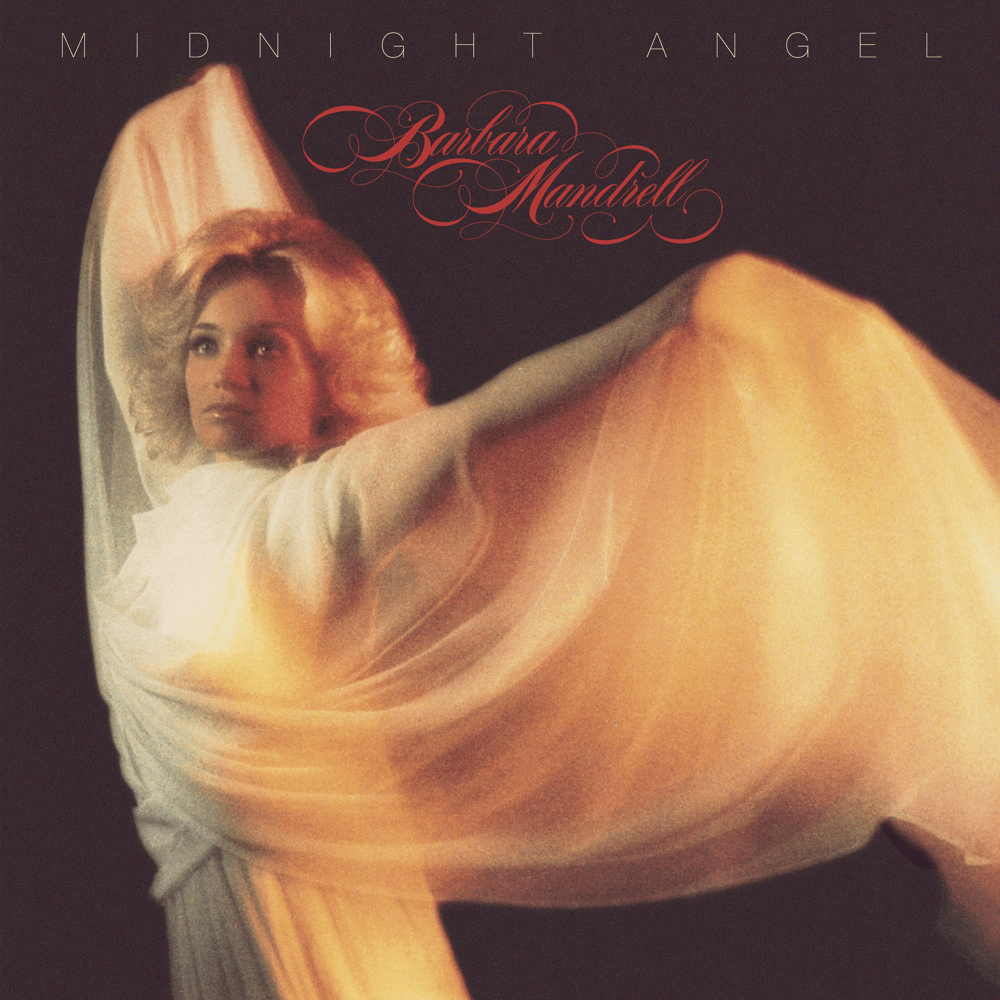
Barbara Mandrell's "Midnight Angel" isn't just another country ballad about heartbreak; it's a raw, psychologically astute portrait of a woman grappling with disillusionment and the desperate search for solace. The song casts the archetypal 'midnight angel' as a figure haunting the dimly lit corners of bars, a woman whose pain finds echoes in countless songs. But Mandrell flips the script, presenting this figure not as a cliché, but as a woman on the precipice, actively choosing her next act. The lyrics cleverly juxtapose the expected tropes of heartbreak with a defiant undercurrent. The 'neon nightmares' aren't just abstract fears; they're a harsh reality check following the betrayal by a loved one. This betrayal is not some grand dramatic event, but something far more insidious: finding 'a pillow' where love should have been, suggesting a slow, suffocating realization of emotional emptiness.
The recurring question, 'Is there room for another midnight angel?' speaks volumes. It's not merely a lament, but a challenge. She's not asking for permission, but rather gauging the landscape, assessing whether there's space within the collective experience of heartbreak for her specific pain and her particular brand of resilience. The 'wings' she anticipates gaining 'before the mornin' comes' aren't necessarily angelic in the traditional sense. They represent a transformation, a shedding of innocence and a hardening of spirit required to navigate the 'long, long way from heaven' to the seductive, yet potentially destructive, 'dreamy neon lights.' This journey is fueled by a primal need for connection, a desperate desire to be held lest she 'lose her mind.'
Ultimately, the song meaning of "Midnight Angel" resides in its unflinching portrayal of vulnerability masked as defiance. Mandrell captures the complex emotional calculus of a woman who knows she's not 'the easy kind,' suggesting a history of self-reliance and perhaps even a stubborn refusal to be victimized. Yet, beneath the tough exterior lies a profound loneliness and a yearning for the simple comfort of human touch. The song's power lies in its refusal to offer easy answers or sentimental platitudes. It acknowledges the darkness, the potential for self-destruction, and the messy, imperfect nature of human desire in the face of profound disappointment. The words paint a portrait of a woman on the edge, ready to embrace the unknown, even if it means becoming another 'midnight angel' in the annals of heartbreak anthems.
 View Artist