Song Meaning
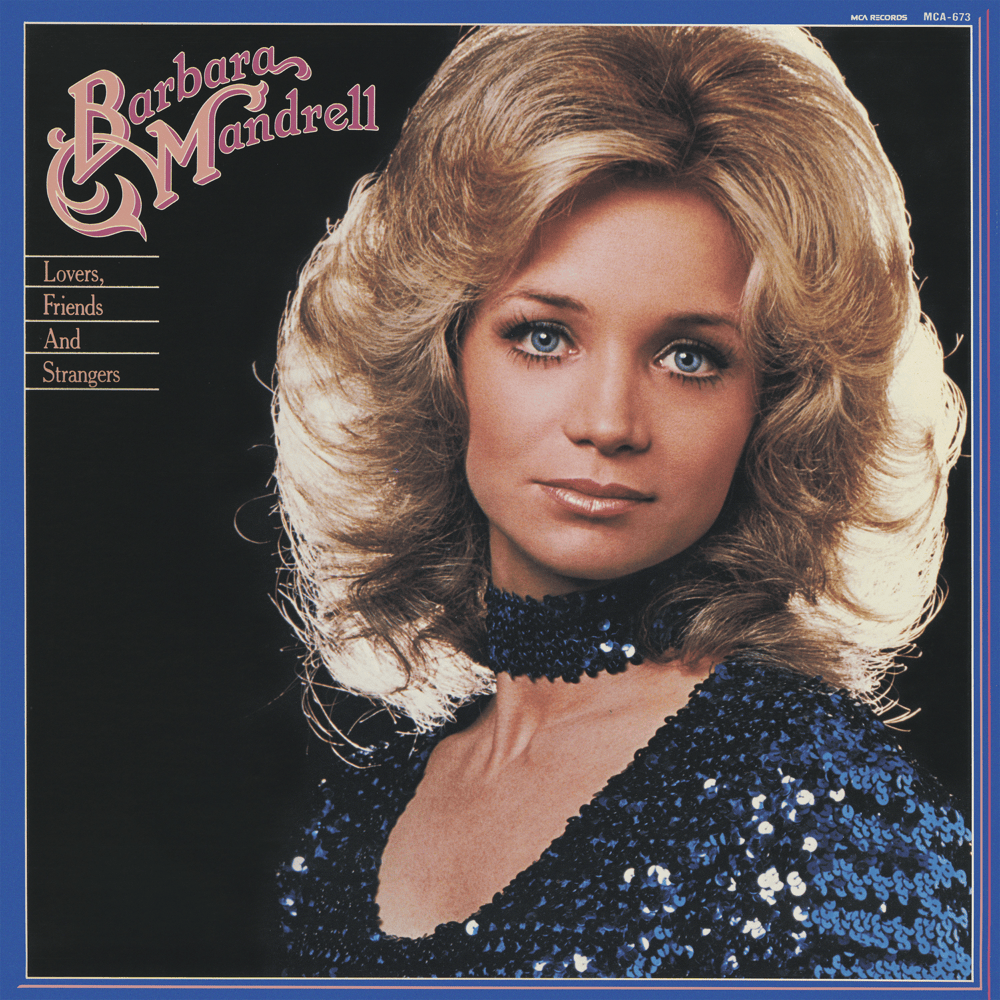
Barbara Mandrell's "Lovers, Friends and Strangers" isn't just a country ballad; it's a sharply observed meditation on the cyclical nature of relationships. The song's core brilliance lies in its unblinking honesty about love's inherent volatility. Mandrell doesn't shy away from the uncomfortable truth that the same spark that ignites passion can also lead to its demise, leaving behind the hollow echo of what once was. The lyrics paint a poignant picture of relationships evolving from initial enchantment—"strangers came to lovers like magic"—to the comfort of friendship, and then, inevitably, sometimes back to estrangement. It's a cycle as old as time, rendered here with a refreshingly clear-eyed perspective.
What elevates "Lovers, Friends and Strangers" beyond a simple heartbreak anthem is its acknowledgement of the inherent beauty even within the pain of these transitions. The repeated line, "Ain't it funny how the circle turns," isn't delivered with bitterness, but rather with a sense of wry acceptance. There's a recognition that these shifts are a natural part of the human experience. Even as the song mourns the loss of intimacy, it simultaneously celebrates the journey, however circuitous, that relationships take.
The final verses cement this message. Despite the "sad but true" reality that "even lovers can be strangers once again," there's no outright rejection of the past. Instead, there's a lingering sense of affection and a willingness to embrace the full spectrum of emotions that love entails. The concluding line, "Still I keep on loving you," isn't necessarily romantic in the traditional sense. Instead, it speaks to a deeper, more enduring connection that transcends the shifting roles of lovers, friends, and strangers. It's a testament to the enduring power of human connection, even in its most complex and bittersweet forms.
 View Artist