Song Meaning
This song captures a persistent, unidentifiable unease. The narrator describes a "strange, strange feelin'" that resides "deep down in my heart" and refuses to let go. It's a pervasive emotional state that seems to arise whenever the narrator is giving more than they have, yet they believe time and a shared song might offer a solution. The core tension lies in this intangible feeling that the narrator desperately wants to overcome but can't quite name or pinpoint.
The lyrics suggest a desire for connection and comfort amidst this internal turmoil. The narrator reaches out, asking "don't you need somebody to talk your troubles to," implying a shared experience of this feeling or a hope that companionship can alleviate it. There's a longing for resolution, a wish to "catch the morning train" and "break the day," as if a new dawn will bring an end to this persistent emotional weight. The repeated plea to "take that strange feelin' oh, take it all away" underscores the urgency of this desire for relief.
The most striking craft element is the use of natural imagery to describe the feeling and the potential for its dissipation. The "strange feelin'" is likened to a "mockingbird-a singing on a hillside" and a "whip-poor-will-a callin'," sounds that are part of the natural soundscape. Yet, the narrator counters these with reassurances: "don't you weep, don't you fret, don't you wail, don't you moan." This juxtaposition suggests that while the feeling is present, it doesn't have to dictate despair. The final verse offers a paternalistic comfort, promising that "daddy's comin' home" to "chase those blues away," framing the resolution as an external act of care.
Ultimately, the effectiveness of these lyrics lies in their relatable portrayal of an unnamed anxiety and the hopeful, albeit somewhat simplistic, belief in external comfort and the passage of time to resolve it. The repetition of "strange, strange feelin'" anchors the listener to the central problem, while the shift to natural sounds and the promise of a homecoming offer a gentle, reassuring counterpoint. It’s this blend of persistent unease and the promise of eventual peace that makes the song resonate.
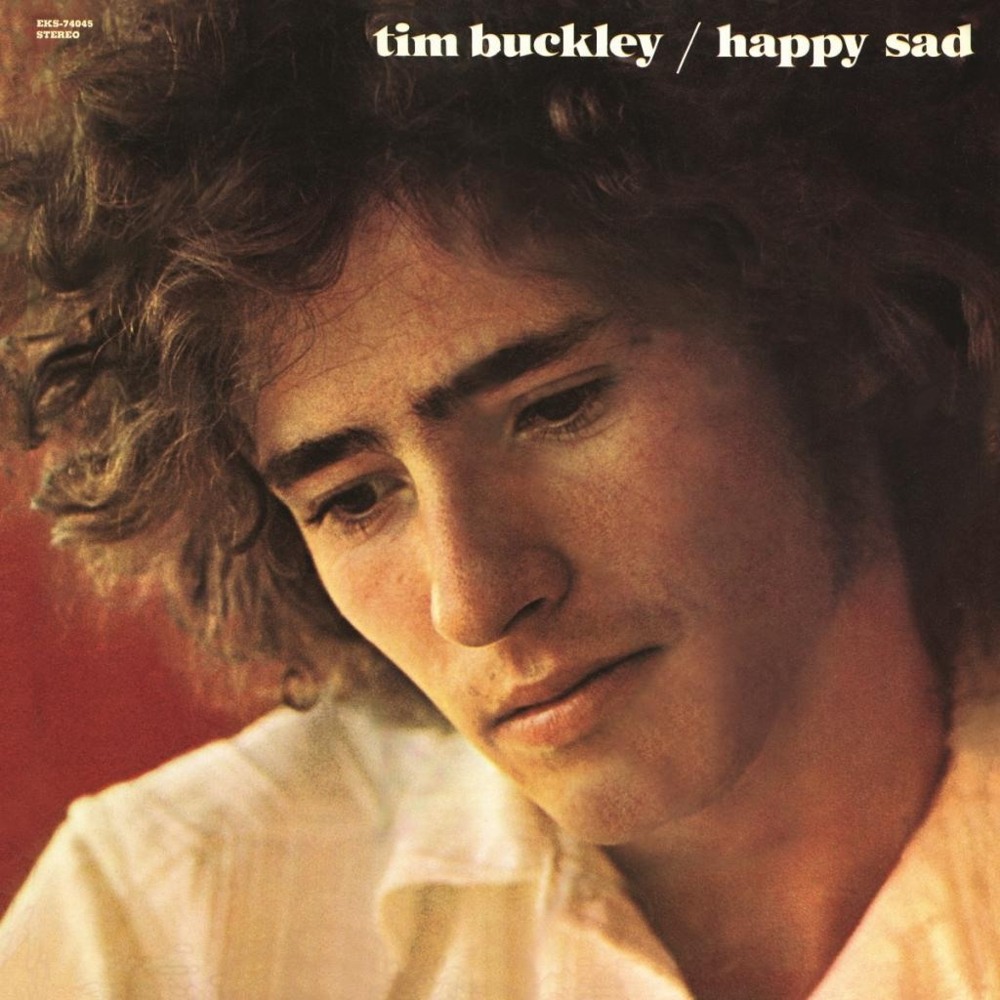
 View Artist