Song Meaning
The narrator finds himself adrift on "shipless oceans," a state of profound isolation and aimlessness, until a captivating presence draws him in. This siren figure, with "singing eyes and fingers," offers a powerful allure, a promise of belonging and solace. The initial invitation is direct and tender: "Sail to me / Let me enfold you / Here I am / Waiting to hold you," suggesting a safe harbor and unconditional acceptance.
The core tension arises from the siren's contradictory nature and the narrator's subsequent confusion. He questions the reality of the encounter, wondering, "Did I dream you dreamed about me?" His "foolish boat is leaning / Broken lovelorn on your rocks," indicating that the pursuit of this siren has led to damage and vulnerability. The siren's subsequent call shifts from an invitation to embrace to a hesitant "Touch me not / Come back tomorrow," revealing a complex, perhaps unattainable, desire.
The lyrics masterfully employ nautical imagery to convey emotional states. The narrator's initial journey is one of being "long afloat," lost at sea, contrasting sharply with the siren's "isle." His damaged vessel represents his broken spirit, "leaning / Broken lovelorn." The siren's call itself evolves, from the welcoming "Sail to me" to the more guarded "Swim to me," and finally, the enigmatic "Touch me not," highlighting the elusive and potentially dangerous nature of the connection.
This song resonates because it captures the universal yearning for connection amidst despair, and the painful realization that the object of our desire may be both the source of salvation and the cause of our ruin. The narrator's final plea, "Should I stand amid your breakers? / Should I lie with death, my bride?" underscores the perilous choice he faces: to risk everything for a love that might destroy him, or to succumb to the overwhelming sorrow of his isolation.
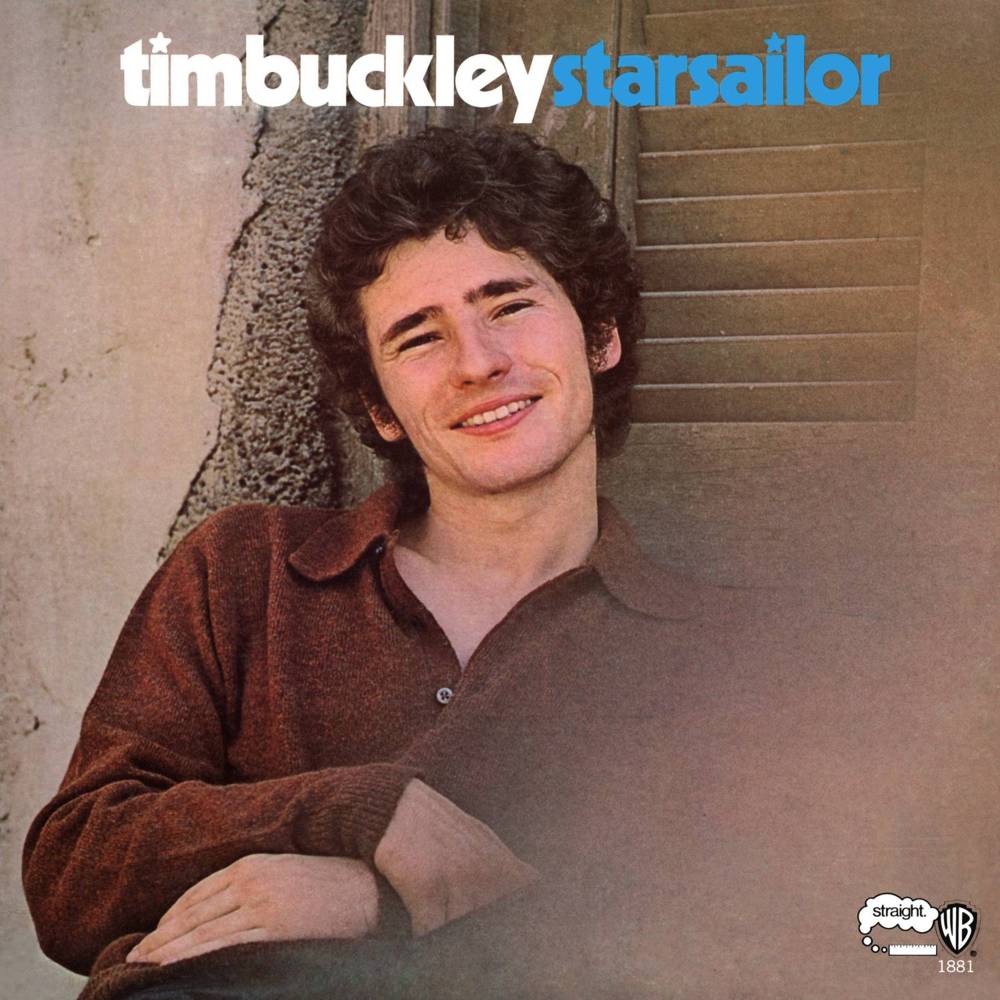
 View Artist