Song Meaning
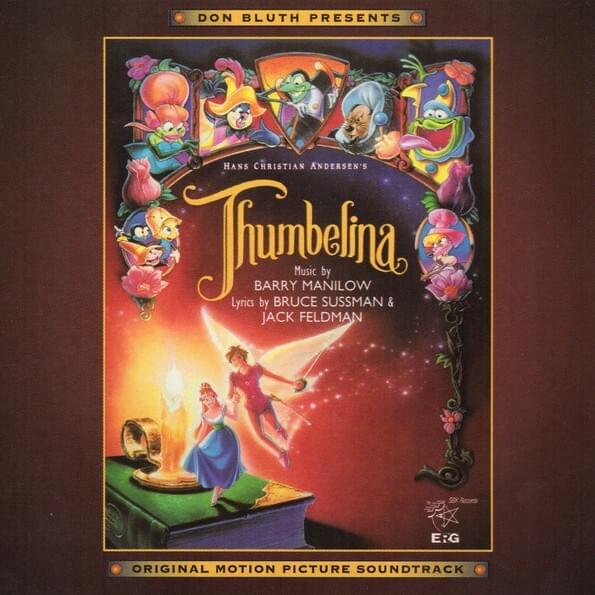
The narrator, Thumbelina's mother, clings to a desperate hope for her daughter's return. The lyrics paint a picture of a parent consumed by worry, projecting her own longing for resolution onto the natural world. She sees rainbows as a promise, a sign that the storm has passed and her child will soon emerge from it. This isn't just wishful thinking; it's a profound need for the chaos to end and for her own 'breaking heart' to finally find peace through her daughter's safety.
The central tension lies in the stark contrast between the mother's fervent belief and the implied reality of Thumbelina's absence. The repetition of "soon" acts as a mantra, a desperate attempt to manifest a future where troubles are "behind her." This insistence on "soon" highlights the agonizing slowness of her current reality, where the present is defined by loss and the future remains an uncertain, albeit desperately desired, destination. The mother is trapped between the pain of now and the imagined relief of later.
The most striking craft element is the almost childlike faith embedded in the imagery. "After the rain goes there are rainbows" is a simple, almost proverbial, statement of hope. Yet, here it's weaponized by the mother's grief, becoming a fragile shield against despair. The phrase "Homeward bound, safe and sound" is not just a description of a desired outcome but a prayer, a coded message sent out into the void, hoping it reaches the lost child and reassures the mother herself that such a state is achievable.
This lyrical passage resonates because it captures the raw, unvarnished ache of parental separation. The mother's voice is a raw nerve, her hope a defiant act against the crushing weight of uncertainty. The power comes from the sheer emotional force conveyed through simple, direct language, making the listener feel the agonizing stretch of time and the desperate yearning for a reunion that feels both inevitable and impossibly far away.
 View Artist