Song Meaning
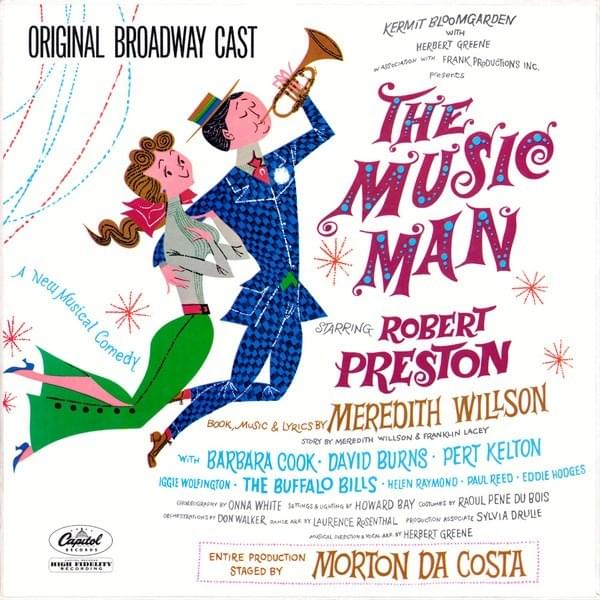
Marian's plea isn't for a fairytale hero, but a grounded partner. She explicitly rejects the grandiosity of Lancelot or angelic figures, seeking instead someone who is simply "not ashamed of a few nice things." This sets a tone of earnest desire for genuine connection over performative grandeur. The repeated invocation of "My white knight" serves as a desperate, almost prayerful, address to an ideal she hopes will materialize. It’s a yearning for a love that feels attainable and real.
The core tension lies in the narrator's desire for a man whose focus is outward – on her, and then on "us." She wants a "plain man," "modest," "quiet," and "gentle," a stark contrast to the heroic archetypes she dismisses. The ideal partner is someone who prioritizes shared existence, even in a simple "cottage somewhere in the state of Iowa," over self-absorption. This emphasis on external interest suggests a deep-seated need for validation and a partner who sees and cherishes her.
The most striking craft element is the careful deconstruction of the "white knight" trope. By defining him as someone who isn't Lancelot or an angel, Marian reclaims the term for a more humble, relatable figure. The repetition of "'Til I die" anchors this desire in a profound, lasting commitment, emphasizing the depth of her longing for this specific kind of partnership. The wish for him to "ponder / What makes Shakespeare and Beethoven great" adds a layer of intellectual curiosity, suggesting a desire for a companion with depth, but not one consumed by ego.
These lyrics resonate because they articulate a quiet, profound yearning for a love that feels both profound and accessible. The specificity of her desires – a plain, modest man interested in "us" – makes the fantasy feel grounded and deeply human. It’s the appeal of a love that isn't about grand gestures but about shared quietude and mutual interest, a love that feels like coming home. The contrast between the romantic ideal and the simple reality she craves is what makes her plea so compelling.
 View Artist