Song Meaning
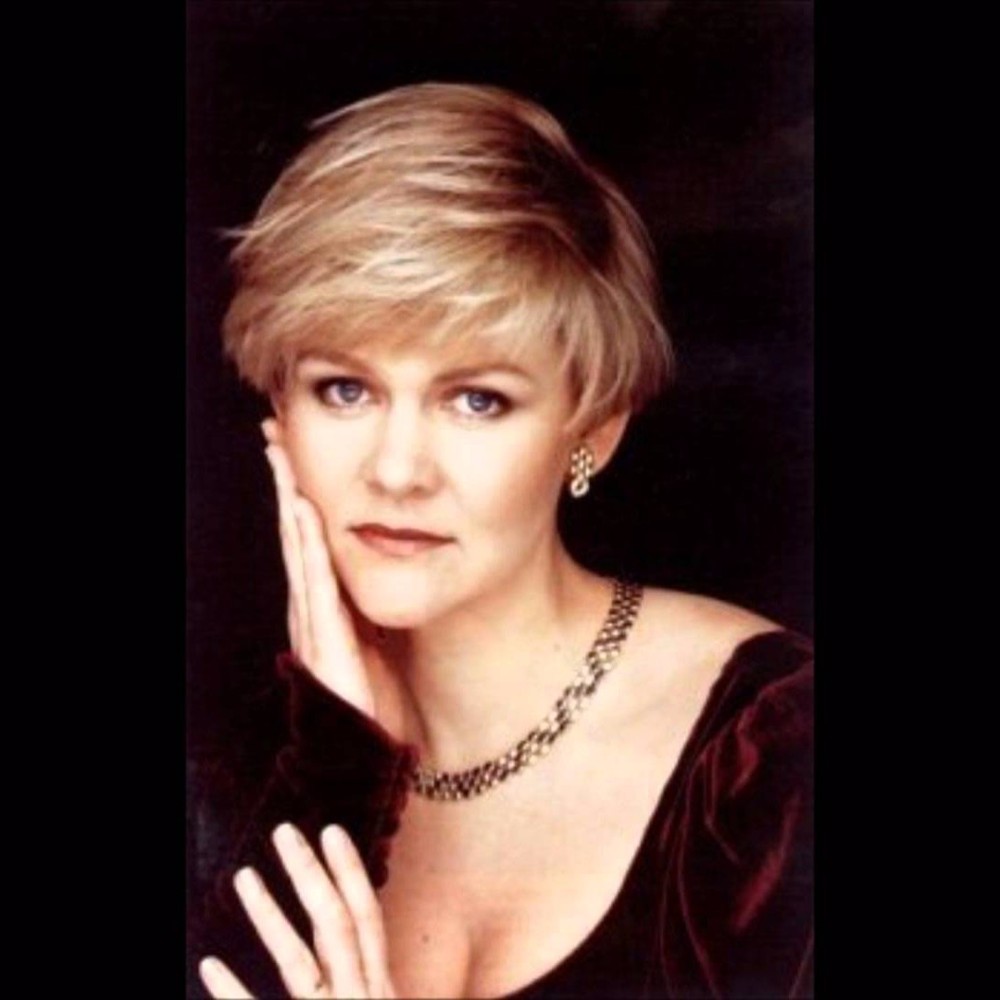
Barbara Bonney's rendition of Leonard Bernstein's "I Hate Music!: Jupiter Has Seven Moons" is not a literal astronomy lesson; it's a child's-eye-view of longing, dressed in the fanciful language of cosmic proportions. The song's apparent simplicity belies a sophisticated understanding of how children process desire and disappointment. The repeated assertion that "Jupiter has seven moons / Or is it nine?" isn't about astronomical accuracy, but about the boundless possibilities that exist in a child's imagination. The lyrics quickly escalate to the absurd, with Saturn possessing an impossible number of moons, each with its own retinue. This exponential growth mirrors a child's tendency to inflate their wishes to fantastical levels. It's a hyperbolic expression of wanting *more*.
The core of the song meaning resides in the contrast between the imagined abundance of celestial bodies and the stark reality of "we have only one." This highlights a child's frustration with limitations. The whimsical scenarios that follow—"nine more times romantic," frantic dogs, multiplied tides, and a "gigantic" moon man—are all projections of what *could* be, if only the universe were more generous. It speaks to a child's inherent belief in magic and the potential for limitless joy, a belief that's often tempered by the constraints of the real world. The wistful repetition of "But we have only one!" underscores the poignant acceptance of this limitation, even as the imagination continues to conjure more extravagant possibilities.
Ultimately, "I Hate Music!: Jupiter Has Seven Moons" resonates because it captures a universal feeling: the tension between what is and what could be. Bonney's interpretation, with its delicate vocal delivery, amplifies the song's inherent vulnerability. It reminds us that even the simplest desires, expressed through the lens of childhood fantasy, can hold profound emotional weight. The song isn't just about wanting more moons; it's about wanting more magic, more possibility, and more wonder in a world that often feels stubbornly singular.
 View Artist