Song Meaning
Barbara Bonney's rendition of "I Hate Music!: My Name is Barbara" is not so much a declaration of musical aversion as a child's delightfully skewed perspective on the mysteries of life, filtered through the lens of burgeoning cynicism. The piece, composed by Leonard Bernstein, uses a child's voice to question the absurdities of adult explanations, specifically concerning the origins of babies. The opening lines immediately establish this theme. Bonney, with her operatic precision, delivers the lyrics with a knowing innocence, highlighting the gap between a child's logical mind and the fanciful tales spun by adults. It's a subtle commentary on the way adults often underestimate children's intelligence, resorting to simplified, and ultimately unbelievable, narratives.
The lyrics pivot on the protagonist's name, "My name is Barbara," which functions as a childlike assertion of identity and a grounding statement amidst the swirling confusion. It is Barbara's way of anchoring herself in reality as she navigates conflicting and illogical explanations. The references to storks in the zoo and the ambiguous "baby bushes" are not taken at face value; instead, they're dissected with a critical eye. This demonstrates a child's inherent ability to detect inconsistencies and question established norms, a trait often discouraged as they grow older. The song's genius lies in its ability to use humor and simplicity to explore deeper themes of truth, belief, and the often-fragile relationship between parent and child.
Ultimately, "I Hate Music!: My Name is Barbara" is less about disliking music and more about the inherent dissonance between childhood wonder and adult obfuscation. Bonney's performance underscores the song's psychological depth, revealing a child's struggle to reconcile the fantastical explanations they receive with their own developing sense of reason. It's a poignant reminder of the importance of honesty and open communication, even when tackling difficult topics. The song cleverly uses a child's perspective to critique the adult world's tendency to oversimplify and patronize, leaving the listener to ponder the long-term effects of such miscommunication.
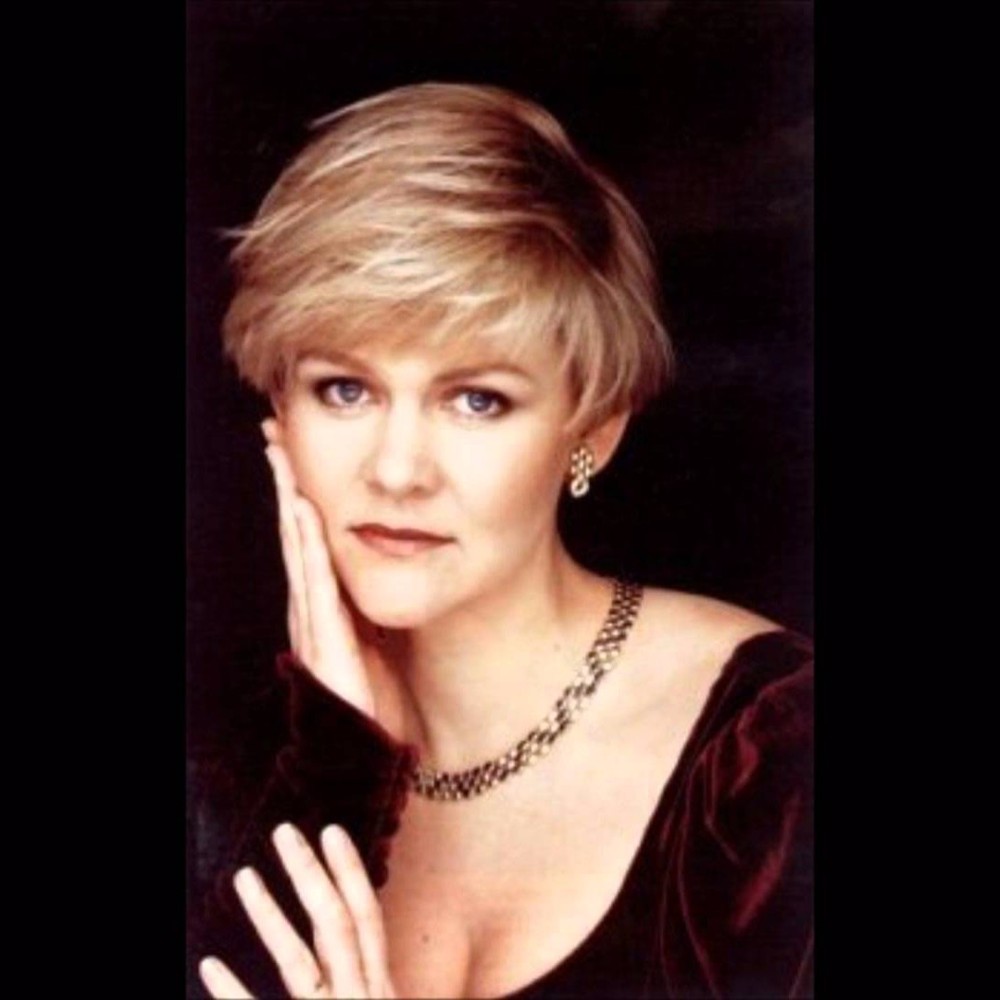
 View Artist