Song Meaning
The lyrics of "Real me" open with a series of direct questions about possession and communication: "What I get? What you get?" and "What I say? What you say?" This immediately establishes a theme of mutual understanding and the potential for misinterpretation. The narrator questions the substance of what is held and spoken, suggesting that what is perceived might be "幻想" (illusion) or simply not communicated effectively, leading to a sense of distance. The recurring phrase "届かないかもね" (might not reach) underscores this fragility.
This sets up a central tension between the external presentation of self and the internal reality, particularly for a "woman." The lyrics repeatedly assert what a woman "never" does – run away, hide, show fears, show tears – framing these as necessary stoicism for survival. However, this is immediately contrasted with what a woman "could" be: dangerous, generous, having fun, or like a nun. This duality suggests that the strength required to survive involves a complex performance, a careful curation of emotions and actions rather than a simple, singular identity.
The most striking craft element is the repetition of the "A woman never..." and "A woman could be..." structures, juxtaposed with the phrase "In order to survive." This creates a powerful internal conflict. The narrator seems to be grappling with the societal expectations of female resilience – the need to be strong and unyielding – while acknowledging the multifaceted nature of that strength and the potential for vulnerability. The line "そんなにいつでも いいコばかりでいられない" (can't always be just a good girl) directly addresses this pressure to conform.
Ultimately, the effectiveness of these lyrics lies in their honest portrayal of this internal negotiation. The narrator isn't presenting a simple, heroic facade but a complex, evolving self that uses different facets to navigate the world. The final lines, "ホントの私は あなたが見ててくれるから" (Because you watch over my true self), suggest that this complex performance is sustained by a specific relationship, implying that true acceptance allows for this multifaceted survival. The questioning of "What I need? What you need?" and "What I lose? What you lose?" then circles back to this core idea of mutual recognition as the foundation for authenticity.
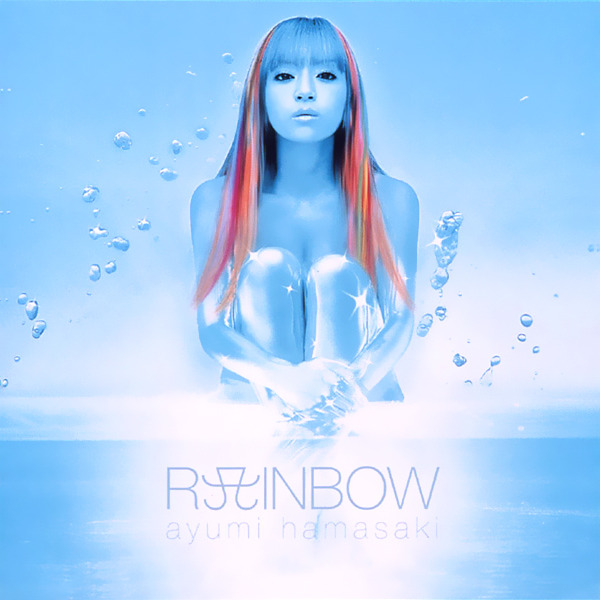
 View Artist