Song Meaning
The lyrics paint a picture of modern life's overwhelming complexity, where the very freedom we possess becomes a source of paralysis. The opening lines lay out the paradox: the abundance of choices and the necessity of sacrifice tangle up existence, making it difficult to navigate. This feeling is amplified by the Japanese verses, which question who to trust for guidance—eyes to discern, arms to hold on, feet to step forward—highlighting a deep uncertainty in a world saturated with information where truth and falsehood blur. The narrator grapples with the deluge, asking "What is real?"
The central tension arises from an excess of liberty. The repeated phrase "We are so free / Just a little too free" captures this perfectly. This boundless freedom, paradoxically, leads to a state of "nowhere to go," a feeling of being stuck despite having infinite possibilities. It's the existential dread of too many paths, leading to an inability to choose any. This is further underscored by the questions about sharing the present, future, and past, emphasizing a yearning for connection amidst this isolating freedom.
The most striking craft element is the stark contrast between external convenience and internal impoverishment. The lyrics note "Convenient things / Our hearts grow inconvenient." This suggests that while technology and possessions make life easier on the surface, they paradoxically lead to a desensitization or a loss of emotional depth. The fear that humans might eventually become "symbols" points to a dehumanizing trend, a chilling consequence of this hyper-connected, yet emotionally distant, reality.
Ultimately, the song finds its power in articulating this specific modern malaise: the anxiety of infinite choice and the struggle to find meaning within it. The lyrics suggest that genuine connection and belief are the antidotes. The final verses offer a glimmer of hope, proposing that if we believe love isn't an illusion and dreams can come true, we can still embark on a quest for the unknown. It’s a call to action, urging us to seek out "scenery no one has ever seen," a powerful antidote to the "everywhere nowhere" feeling.
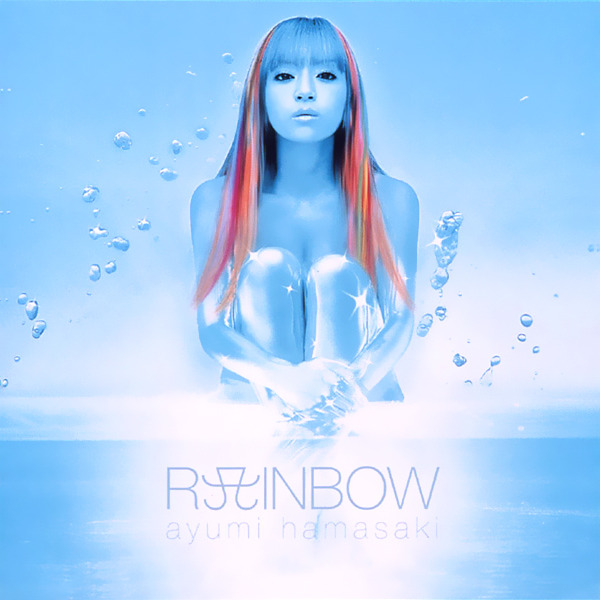
 View Artist