Song Meaning
The narrator is on a journey, driving animals through a landscape described as "Quebrado de Chisjra" and "Camino de la Cuesta." The dominant tone is one of solitary movement and a kind of weary, yet persistent, singing. The repeated "¡Hui, jo jo jo...!" acts as a vocalization of this solitary trek, a sound that punctuates the act of herding and walking. It’s the sound of someone moving through space, perhaps to keep themselves company or to urge the animals along.
The core tension emerges when the narrator questions if sorrows pass by easily, concluding with a definitive "¡No hai ser, señor...!" There’s a specific, persistent pain, "una que me hace bulla / Adentro del corazón." This isn't just general melancholy; it's a distinct ache that the journey, despite its outward motion, cannot shake. The act of singing and driving animals becomes a backdrop to this internal emotional struggle.
The lyrics cleverly contrast the external environment with internal feeling. While the sun sets behind the peaks and the narrator approaches the pasture, signaling the end of the day's physical labor, the emotional burden remains. The approaching night, a time for rest, is instead framed by the anticipation of singing "una canción de la noche," suggesting the internal sorrow will continue to be expressed even as the day concludes.
This song resonates because it captures the feeling of carrying an internal weight through mundane, repetitive tasks. The simple, almost onomatopoeic "¡Hui, jo jo jo...!" grounds the listener in the physical reality of the journey, making the narrator's persistent heartache feel all the more poignant. It’s the sound of enduring, of moving forward even when a specific pain won't let go.
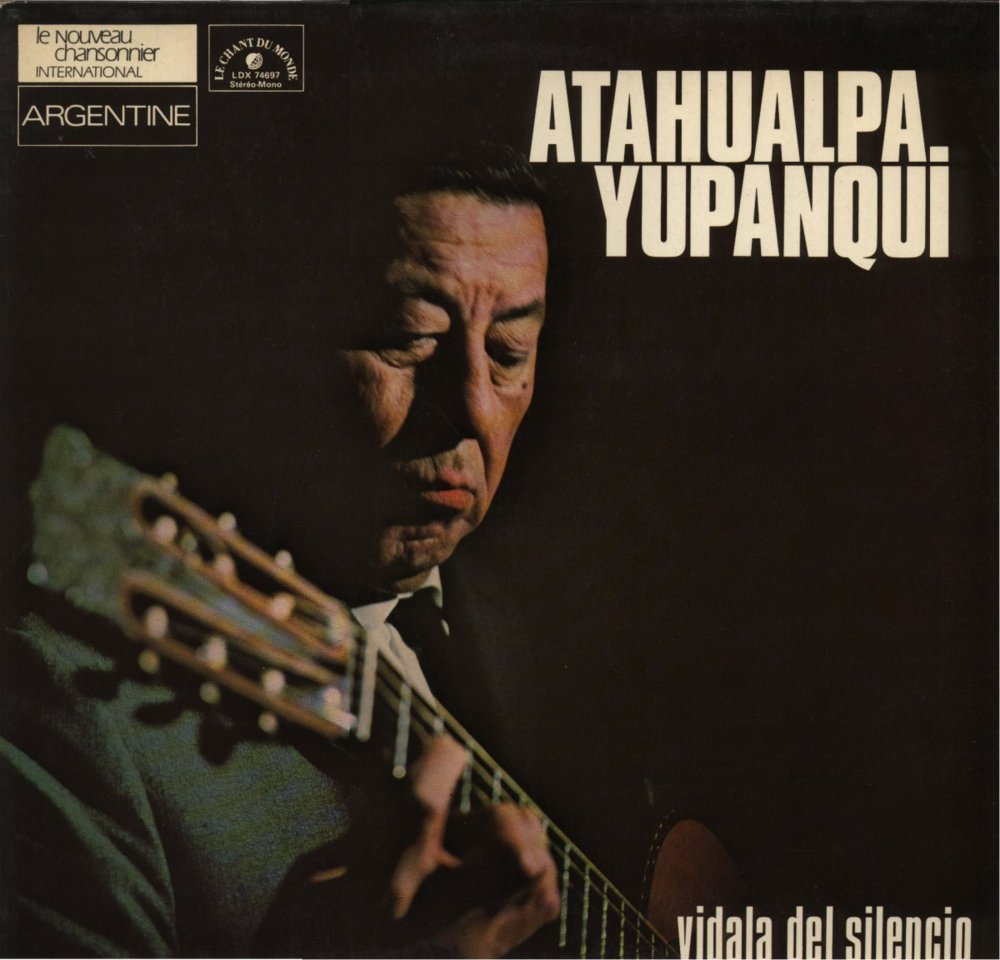
 View Artist