Song Meaning
The lyrics paint a picture of someone caught in a disorienting, almost fatalistic state, where past aspirations are dissolving and a grim present looms. There's a palpable sense of being trapped, with a failing heart and childhood dreams reduced to mere echoes. The narrator seems to be embracing a destructive path, even finding a perverse thrill in spending a "fortune of violence," as if resigned to a dark fate where "evil has a light on."
The central tension lies in the conflict between a desire for escape or redemption and the overwhelming pull of despair. The narrator acknowledges a past self, one who "used to be the roam in big skies," contrasting sharply with the current state of being "track[ed] down a dead end trail." This suggests a profound loss of freedom and hope, amplified by the internal "sound of remorse."
A striking image is the idea of "pyramid wheels," though not explicitly stated, it's implied by the cyclical, inescapable nature of the narrator's predicament. The lyrics present a stark dichotomy: the past freedom of "big skies" versus the present "dead end trail." The repeated question, "Do you tend to lose control?" followed by the blunt "You bet sometimes," underscores a struggle with agency and a surrender to chaotic forces.
Ultimately, the effectiveness of these lyrics comes from their raw, almost brutal honesty about succumbing to darkness. The narrator's stark pronouncements about "memory is the land that we resist to go through" and the conditional "Forever is a chance that I won't take without you" reveal a deep-seated fear and a desperate clinging to connection, even amidst ruin. The writing captures a feeling of being on the precipice, where control is lost and the future is a terrifying unknown.
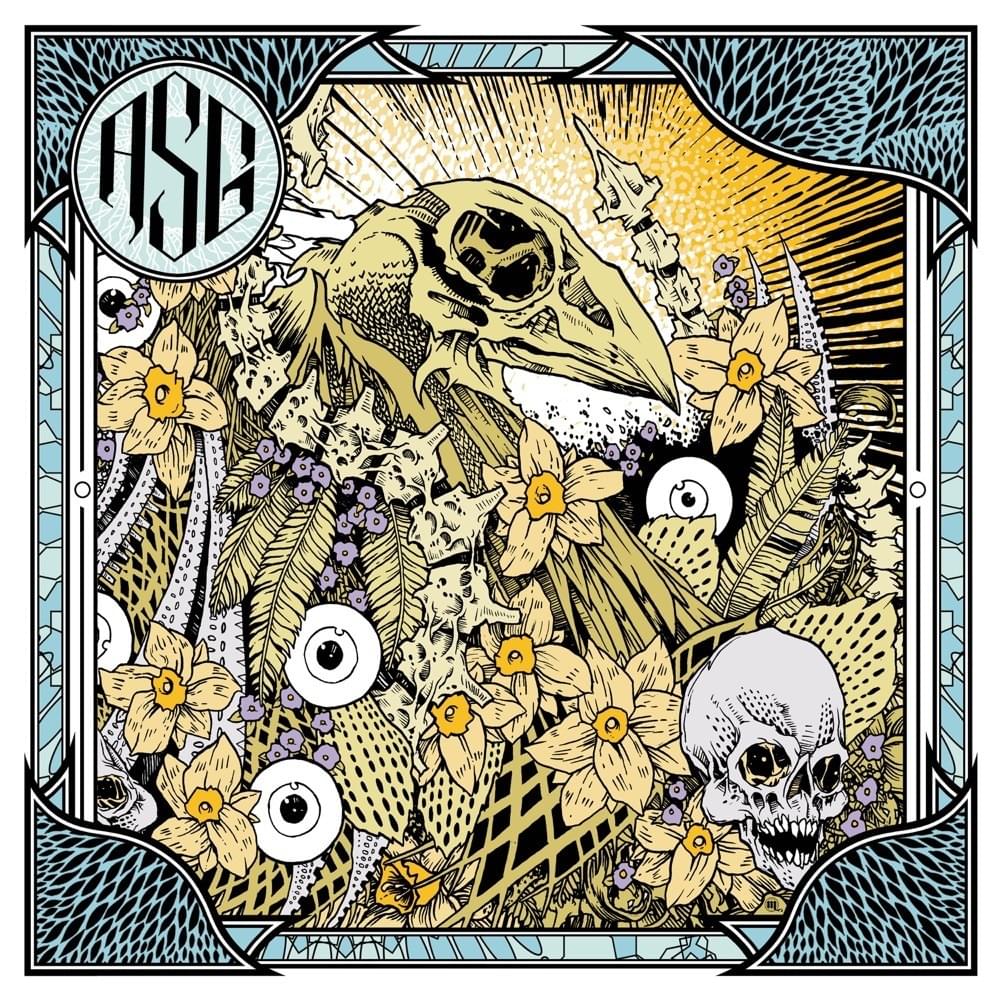
 View Artist