Song Meaning
The lyrics paint a stark picture of self-inflicted pain and a desperate attempt at salvation. The repeated image of "drawing crosses on her skin" immediately establishes a tone of ritualistic suffering, a physical manifestation of internal turmoil. This act, alongside the declaration "We saved ourselfs," suggests a shared, perhaps codependent, struggle where marking the body is seen as a form of absolution or control. The narrator then shifts to "I saved myself," indicating a divergence or a realization of individual agency amidst the shared chaos.
The central tension arises from a destructive relationship, characterized by mutual blame and a cycle of negativity. The narrator acknowledges their own role, confessing "You were the wind that set sail my sin," but firmly rejects ultimate responsibility with "honey I ain't taking the blame." This push-and-pull is further emphasized by the imagery of filling "cups of hate" and the lingering "dead dogs that failed to cross her veins," suggesting a history of past traumas and resentments that continue to haunt them.
The craft here is in the visceral, almost violent, imagery used to convey emotional states. Phrases like "Felt the devil in her gears" and "torched her plains" create a sense of internal combustion and destruction. The contrast between the initial "We saved ourselfs" and the later "I saved myself" highlights a critical shift in perspective, moving from a shared delusion to individual reckoning. The narrator's assertion, "I know I never promised a thing," serves as a stark disclaimer, setting the stage for their ultimate refusal to bear the full weight of their shared downfall.
Ultimately, these lyrics resonate because they capture the raw, often ugly, process of confronting personal demons and toxic relational dynamics. The narrator’s final declaration, "I'll bring you to your knees," coupled with the chilling acceptance of "ten thousand feet of failure creep," reveals a complex mix of resignation and a defiant assertion of power. It’s a brutal acknowledgment of shared damage, but with a final, sharp pivot towards self-preservation, even if that preservation comes at the cost of further conflict.
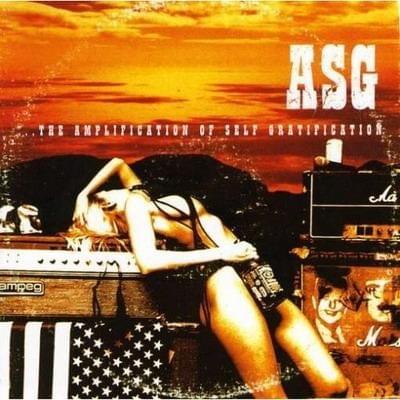
 View Artist