Song Meaning
The lyrics of "Marilyn Kaddish" paint a striking portrait of a figure both dazzling and deeply vulnerable. We see her "Nue sous les draps en soie," an intimate image juxtaposed with the celestial "Gazouillis d'étoile." It's a snapshot of a life lived in the spotlight, yet shadowed by an underlying fragility.
The core tension here lies in the constant interplay between the private individual and the public icon. The repeated invocation of "Norma Jean Baker" grounds the persona in a human reality, even as "Marilyn" is depicted as a "Marchande de magie blanche" and a "Feu de joie." This suggests a woman who, with a "tête folle d'enfant," played in the harsh glare of fame, embodying both innocent wonder and potent allure.
The lyrical craft truly shines in its vivid, often contradictory imagery. She's an "Ombre de soleil," a fleeting brilliance, and a "Déesse des camionneurs / Des abrutis et des voleurs," highlighting her broad, almost universal appeal, even to the marginalized. The powerful image of her "Embrasant les murs sales / Des cinémas" suggests a transformative, almost purifying fire, yet one that ultimately consumes. She's a "Frêle idole blonde / Jetée dans la gueule du monde," a stark depiction of vulnerability against the voracious appetite of fame.
Ultimately, these lyrics craft a poignant elegy, a lament for a life consumed by its own brilliance. The final lines, "Tu meurs dans ta beauté / Au coeur même de l'été," deliver a gut punch. It's a beautiful, tragic end, emphasizing a premature demise at the peak of her allure, in a season typically associated with life and vibrancy. The writing makes us feel the weight of a mythic figure, adored and ultimately devoured.
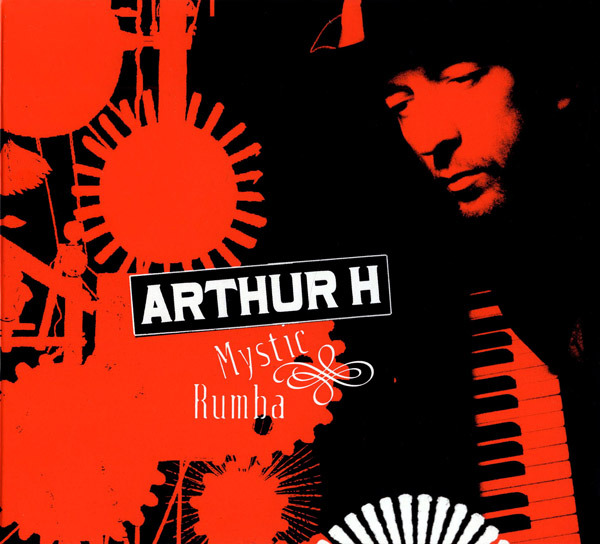
 View Artist