Song Meaning
The lyrics paint a picture of a woman emerging from the water, her skin marked by the sun, a scene immediately compared to the iconic "Bo Derek" imagery. This initial, striking visual sets a tone of idealized beauty and a somewhat passive, almost staged, perfection. The repetition of "C'est beau / Comme Bo Derek" anchors the entire narrative in this singular, aspirational aesthetic.
However, beneath this surface of picturesque beauty, a subtle tension emerges. While the woman is carried to a waiting motorcycle, the environment is described as "trop chaud" (too hot), and later, the life at the villa, though "douce et bonne" (sweet and good), is explicitly called "monotone." This suggests that the idealized scene, while visually stunning, might lack deeper substance or excitement, hinting at a potential ennui.
The most compelling aspect is the contrast between the static, beautiful image and the dynamic escape that follows. Aldo, seemingly a companion or driver, can no longer stand the "monotone" life and takes off on his motorcycle "vers l'inconnu" (towards the unknown). This act of departure, juxtaposed with the repeated "C'est beau / Comme Bo Derek," implies that true beauty or perhaps freedom lies not just in the perfect image, but in breaking away from it.
Ultimately, the lyrics effectively use the "Bo Derek" comparison to establish an initial, almost cinematic, vision of beauty. Yet, by introducing elements of discomfort and monotony, and culminating in an act of escape, the song suggests that this idealized, passive beauty might be a gilded cage, and that a more compelling narrative unfolds when one chooses the unknown over the picture-perfect, albeit boring, present.
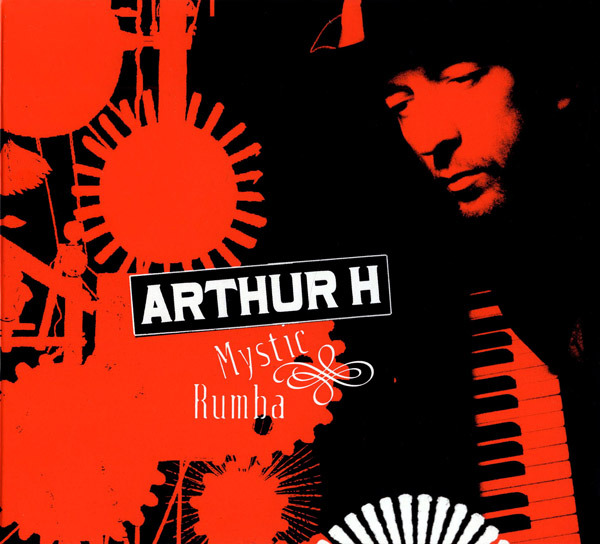
 View Artist