Song Meaning
These lyrics paint a stark picture of a collective struggle against an unstoppable force. The speaker and others tried to "keep it" and even "offered our lives to it," yet ultimately found themselves lost. It's a somber reflection on the futility of human effort against the relentless march of existence.
The central tension emerges from this profound sense of defeat. Despite efforts to "defeat it," the lyrics reveal a deeper, more unsettling consequence: a questioning of past reality itself. The line "Now I don't know if we ever loved anyone" suggests that the struggle against time has eroded the very authenticity of their most intimate experiences, leaving a void where certainty once was.
The most striking craft element is the extended metaphor: "Time is a river without banks." This isn't just any river; it's described as "restless, cold, pure," without end or a port, leading only "to the place of perdition." This imagery powerfully conveys time as an indifferent, overwhelming force that offers no refuge or final destination, only an inevitable, bleak trajectory. The repetition of this phrase reinforces its inescapable truth.
What makes these lyrics so effective is how they ground existential dread in concrete, desolate imagery. The stark contrast of "Before me again water / And behind me nothing" vividly portrays a present overwhelmed by an endless future, with the past utterly erased. This, coupled with the haunting question, "Are we real people or shadows?" makes the listener confront not just the passage of time, but the very essence of their own fleeting existence and the legacy they might leave behind.
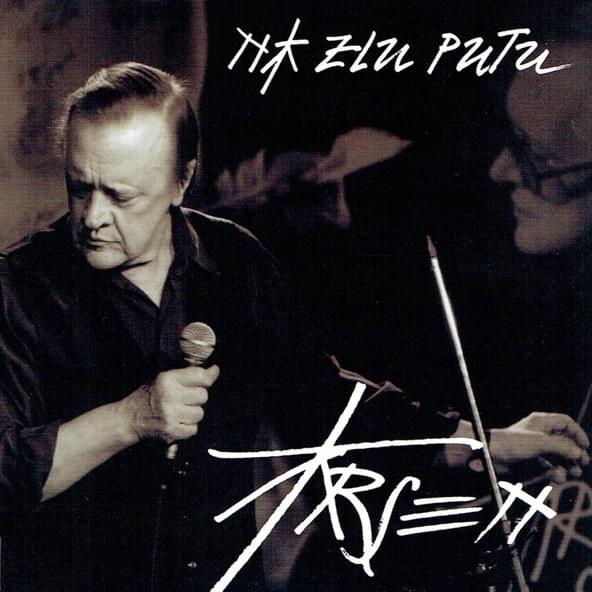
 View Artist