Song Meaning
The lyrics pose a stark question: "Who stands behind me?" This isn't just about personal support, but about the forces and allegiances that define us, especially in contrasting times. The narrator observes that some align with nations, others with women, all while power resides "in the tribe." This sets up a fundamental tension between individual identity and collective belonging.
The song pivots between "terrible times" and "good days," but the underlying anxiety remains. During difficult periods, the question is about who offers backing, while in supposedly better times, the narrator notes the presence of "mafias" and the isolation of being "alone." This suggests that external support structures, whether tribal or more sinister, are always present, shaping one's experience.
The core of the song lies in the powerful refrain: "Behind them their own, behind ours ours." This duality is described as simultaneously "rejoicing and frightening." The lyrics highlight a primal instinct for solidarity – "friends hold on, countrymen hold on" – but this very closeness breeds fear, perhaps of exclusion or conflict. The return of "individual signs" implies a reassertion of group identity in these moments.
Ultimately, the narrator's gaze turns inward and outward with a chilling realization. When they look around, there's no one there, "except a long shadow on the street after midnight." This image powerfully conveys a sense of profound loneliness and the ephemeral nature of support, leaving the individual to face the darkness alone, a stark contrast to the "tribe" mentioned earlier.
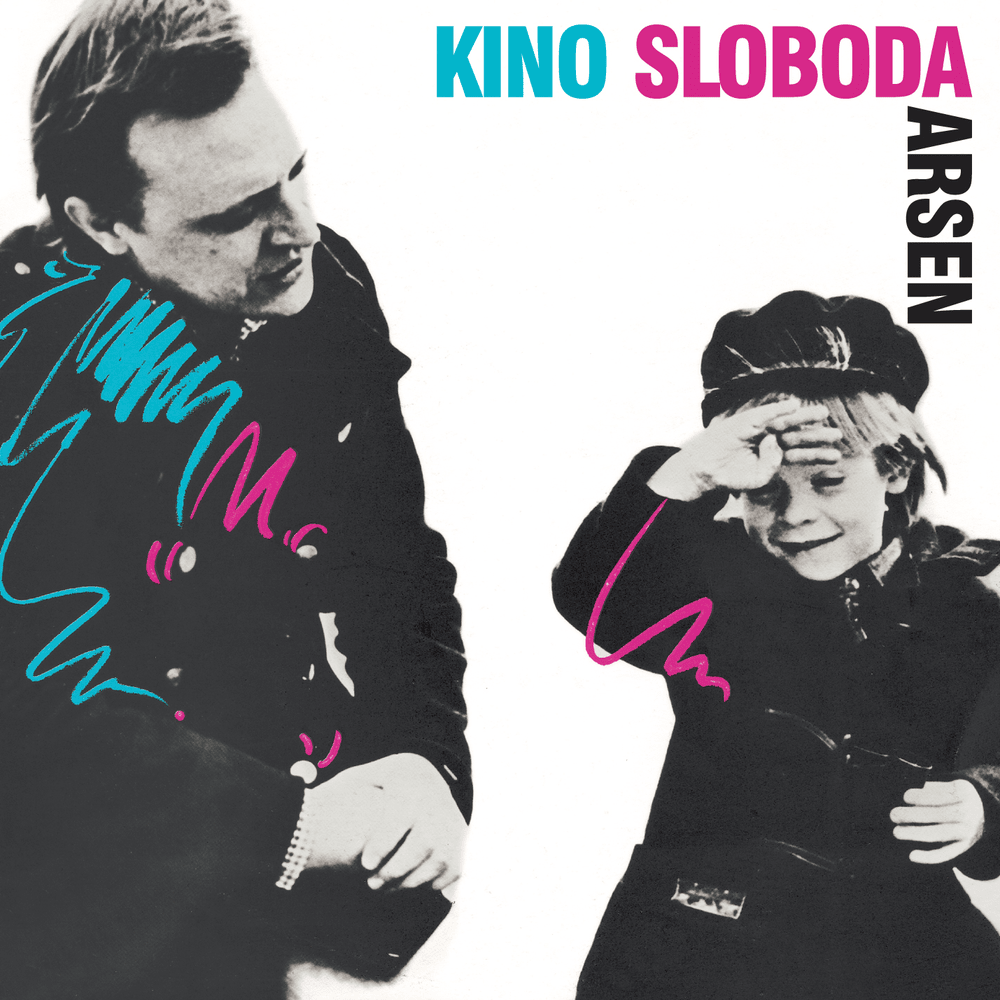
 View Artist