Song Meaning
The lyrics issue a stark warning against revisiting past relationships, framing them as dangerous traps. The narrator insists that old loves are fundamentally different now, changed by time and circumstance, much like the seasons have shifted from "davne kiše" (distant rains) to the current "jeseni i zima" (autumns and winters). This isn't just about nostalgia; it's about recognizing that the past is irrevocably gone and attempting to recapture it is futile and potentially harmful.
The core tension lies in the destructive pull of loneliness and memory versus the wisdom of moving forward. The narrator warns against returning "da se skloniš, da se tješiš" (to shelter, to console oneself) when "samoća raste kao plima" (loneliness grows like the tide). This highlights the desperate impulse to seek comfort in familiar, albeit broken, places, even when those places offer no real solace.
The most striking metaphor compares an old love to a "zamka" (trap) that "zločinca" (a wrongdoer) is eternally drawn to "usred mraka" (in the middle of the dark). This powerful imagery suggests that returning to old loves isn't just a mistake, but a self-destructive pattern, a recurring descent into darkness from which escape seems impossible. The "ugašena tu je vatra" (the fire is extinguished there) reinforces the finality of these past connections.
Ultimately, the effectiveness of these lyrics comes from their unflinching portrayal of this dangerous allure. By personifying old love as a trap and emphasizing the irreversible passage of time, the song crafts a potent cautionary tale. It urges listeners to acknowledge the extinguished "vatra" and "pođi dalje gdje topline ima" (go further where there is warmth), advocating for a brave, forward-looking path away from the shadows of the past.
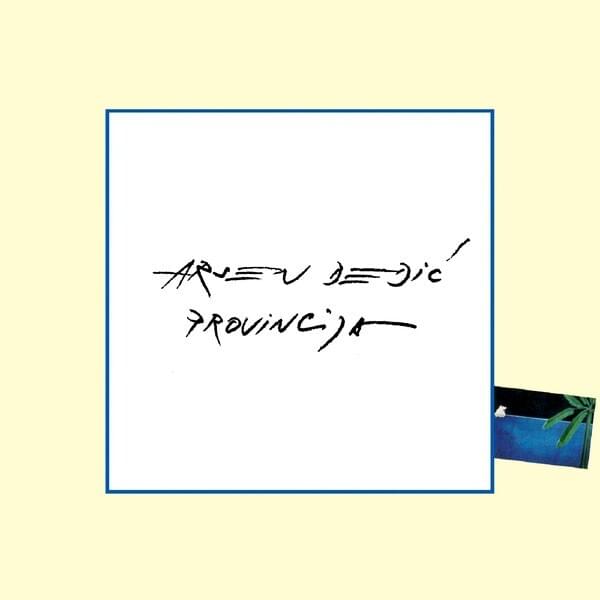
 View Artist