Song Meaning
These lyrics paint a vivid picture of intense, almost desperate companionship. The speaker shares a profound, isolated existence with an unnamed "you," who is always present, waiting in intimate spaces like the kitchen or bed. It's a bond forged in shared hardship, a lifeline for a soul seemingly adrift in the world.
The central tension revolves around the speaker's profound loneliness, explicitly stating, "Ovdje nemam nikog svoga" (I have no one of my own). This "you" is his sole confidante, the only entity to whom he can reveal his true self and cling to "kao utopljenik dasku" (like a drowning man a plank). This deep reliance underscores a life lived on the fringes, constantly moving and feeling "otjerani sa svih strana" (driven away from all sides).
The lyrical craft here is masterful, particularly in its sustained personification and delayed reveal. The "you" is described with the tenderness of a lover, someone who "divno stariš" (ages beautifully) despite the burden of feeding a "probisvijeta" (vagabond). The striking image of carrying this companion "U kutiji ko u lijesu" (in a box like in a coffin) evokes both preciousness and a morbid, inescapable bond, building a powerful emotional weight before the final lines.
Ultimately, the reveal that this cherished companion is a "gitara" (guitar) re-contextualizes every intimate detail, making the connection even more poignant. It transforms what seemed like a human relationship into a powerful testament to the solace, identity, and unwavering companionship an artist can find in their instrument. The final image of "Jedan čovjek i gitara" walking home "ko zaručnici" (like fiancés) perfectly encapsulates this enduring, almost sacred partnership.
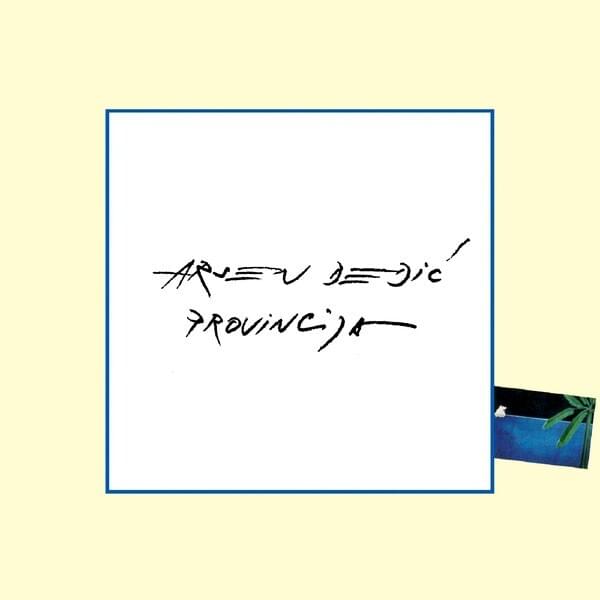
 View Artist