Song Meaning
This song paints a picture of a yearning for comfort and a specific, idealized past, framed by Southern imagery. The narrator asks for a lullaby, a "Dixie melody," to be sung, directly linking this musical comfort to the "heart of Dixie." The cradle is to be placed on the "Mason-Dixon line," a symbolic boundary, suggesting a desire to bridge or perhaps revisit a time before such divisions, or simply to be cradled within that specific regional identity. It’s a plea for a soothing, geographically defined escape.
The central tension lies in the contrast between the desire for simple maternal comfort and the loaded cultural signifiers. The repeated phrase "rock-a-bye your baby" evokes a sense of innocence and security, yet it's inextricably tied to "Dixie melody" and the "Swanee River." This juxtaposition creates a complex emotional landscape, where the longing for a gentle lullaby is filtered through a specific, historically charged Southern cultural lens. The lyrics suggest a desire to be soothed by a sound that is both deeply personal and culturally resonant, even if that resonance is complex.
The most striking craft element is the persistent invocation of place as a source of emotional solace. The "Mason-Dixon line" and "Virginia to Tennessee" aren't just settings; they are presented as integral components of the lullaby itself. The promise of "a million baby kisses" is directly contingent on singing a song associated with the "Swanee River," further cementing the idea that emotional fulfillment is tied to this specific sonic and geographic landscape. The repetition of "rock-a-bye your rock-a-bye baby" emphasizes this desire for a return to a foundational, comforting rhythm.
Ultimately, the lyrics resonate because they tap into a deep-seated human need for security and belonging, expressed through the potent language of music and place. The narrator's request for a specific kind of melody, one that evokes a particular region and its associated cultural touchstones, highlights how our sense of comfort can be deeply intertwined with our cultural and geographical roots. It’s a powerful, albeit narrowly focused, expression of seeking solace in the familiar sounds and landscapes of home.
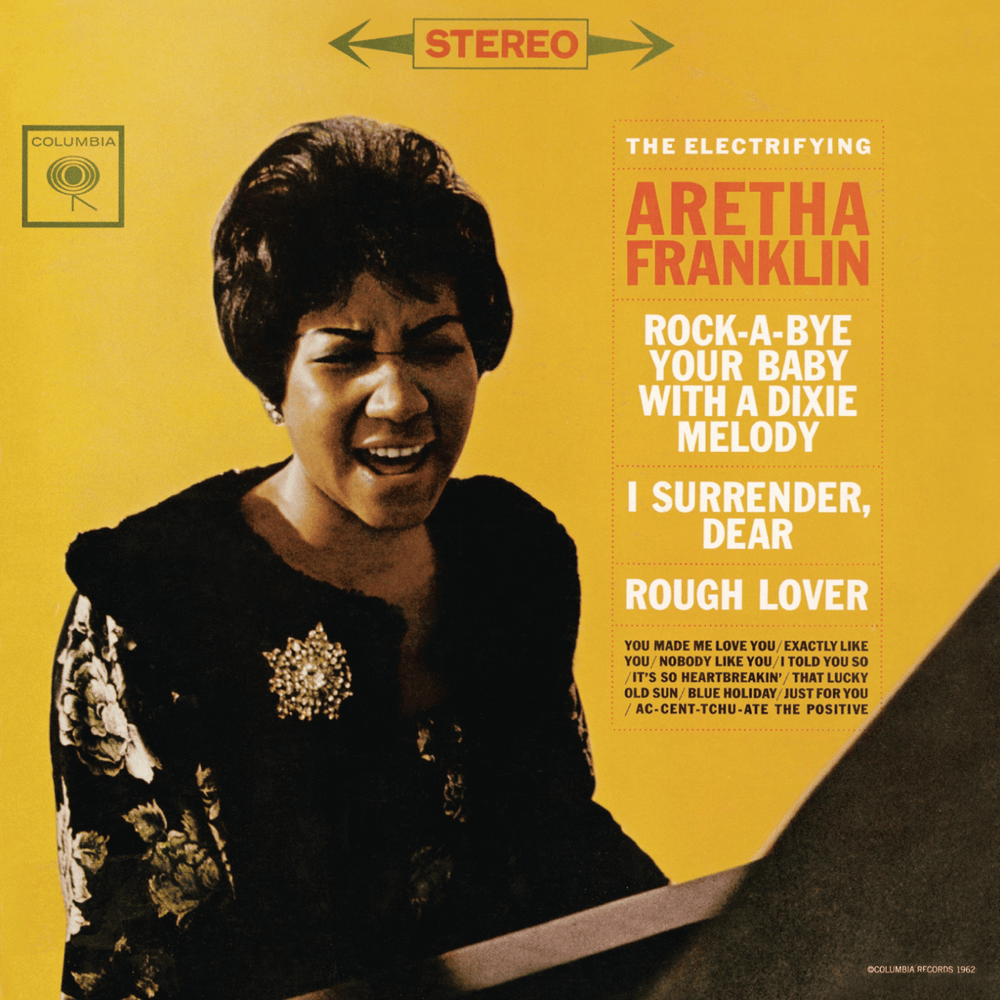
 View Artist