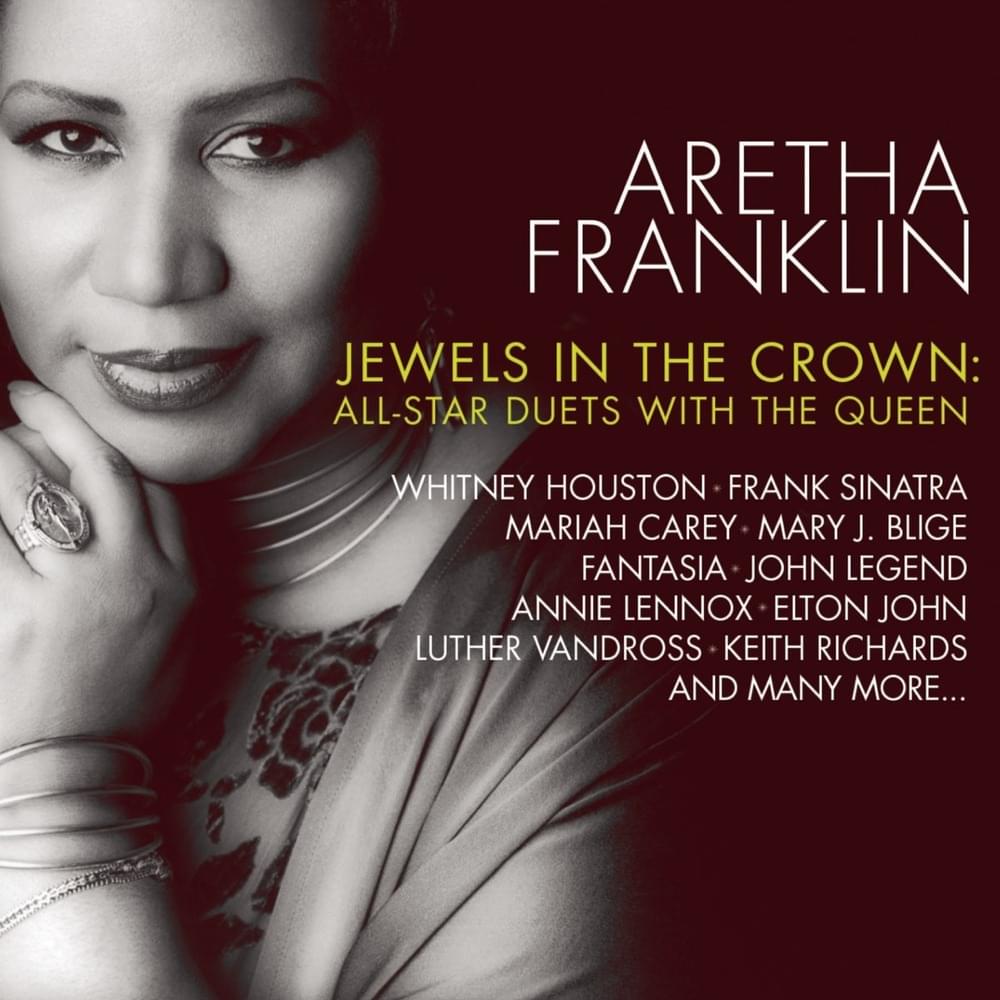
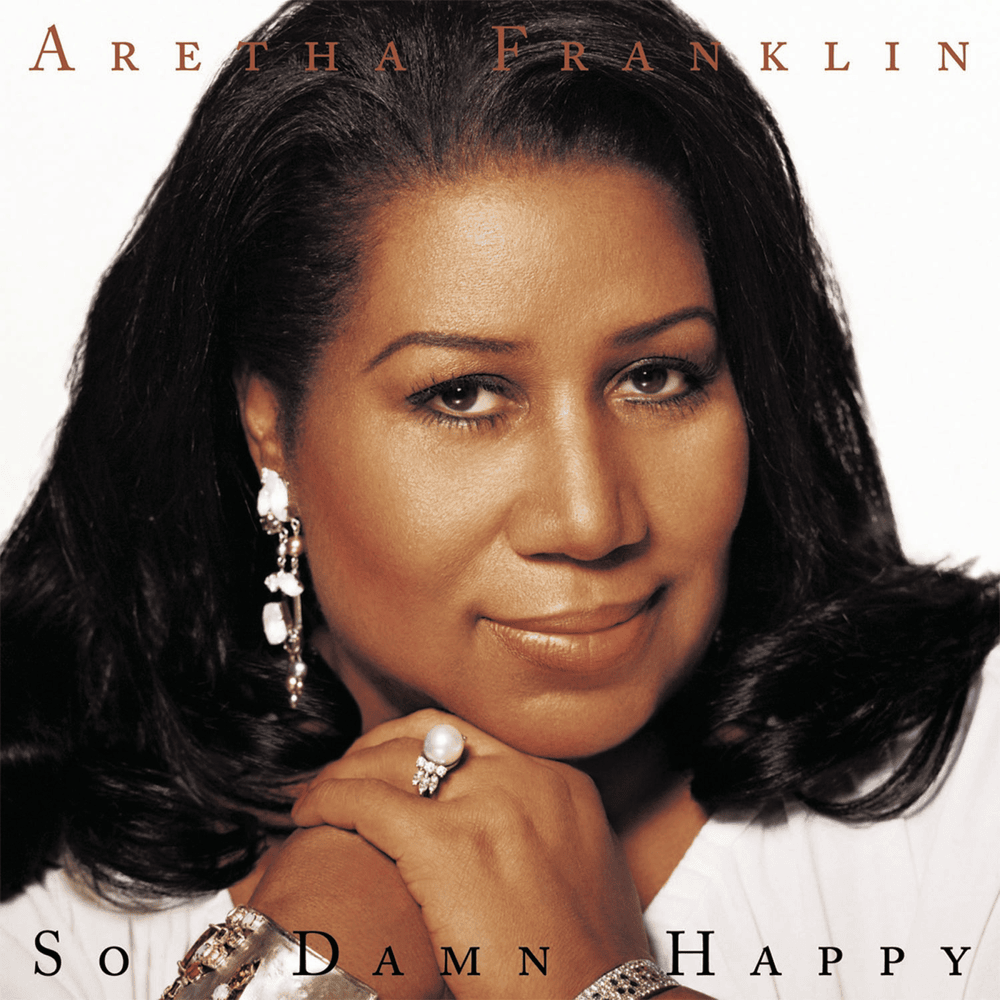
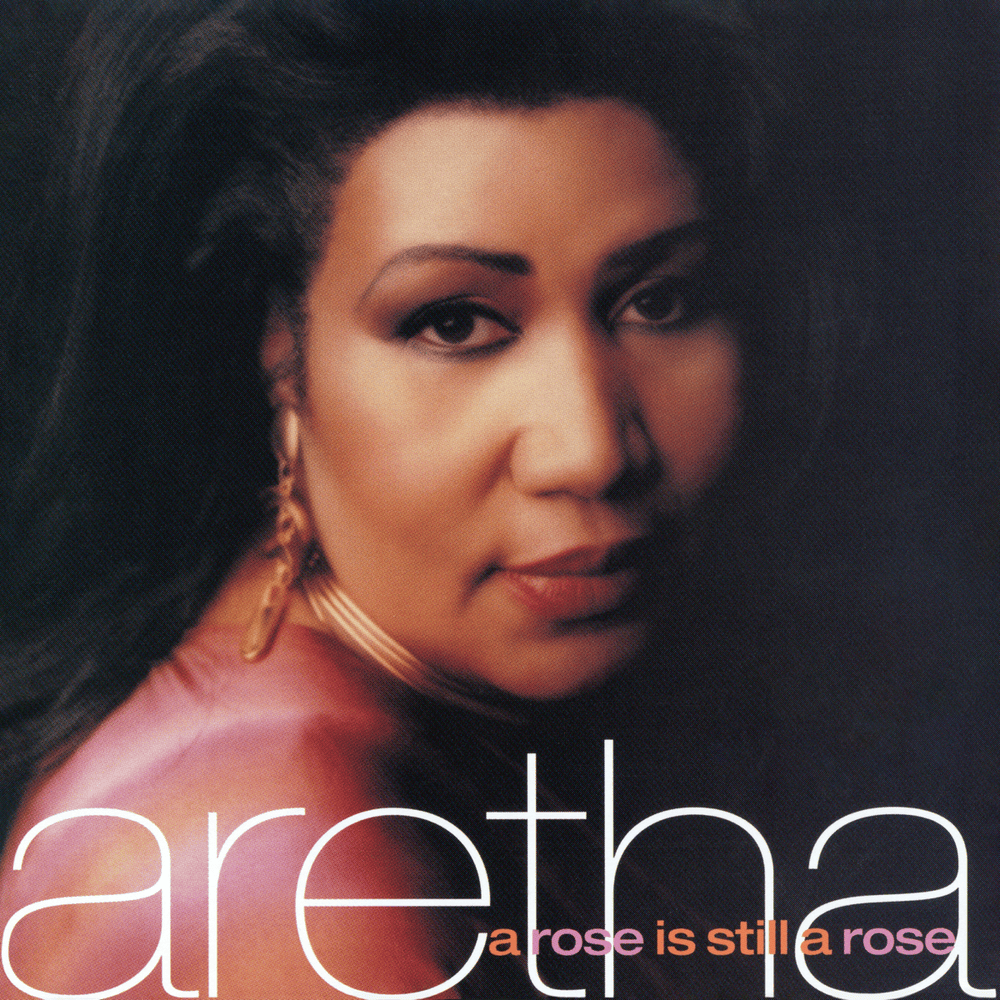
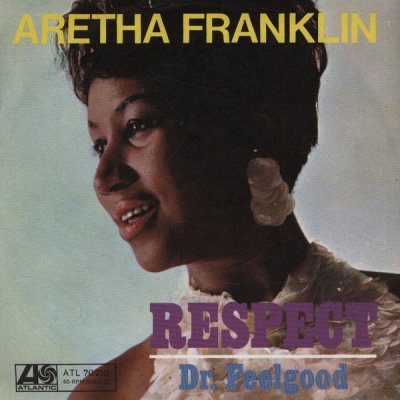
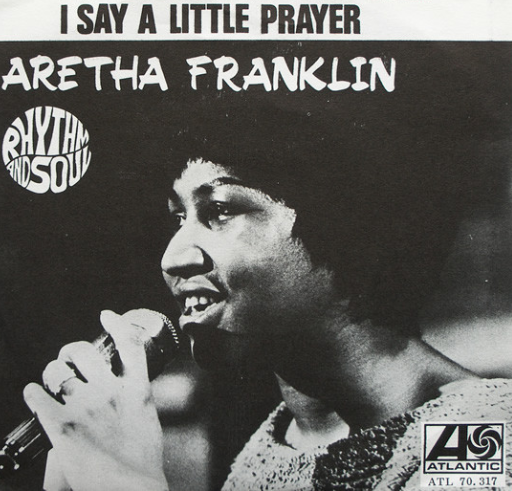
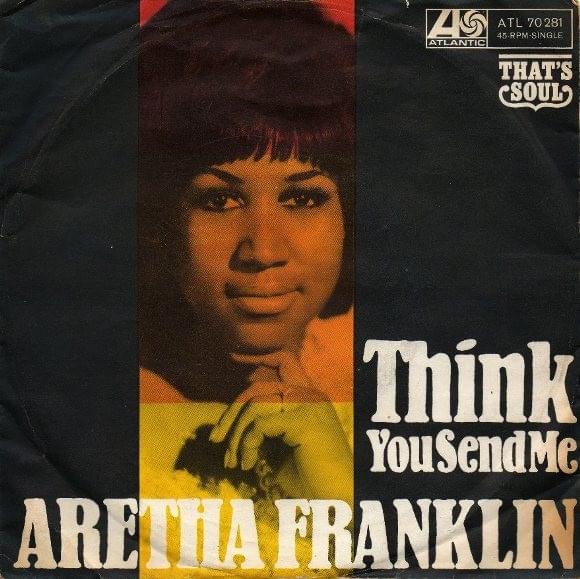
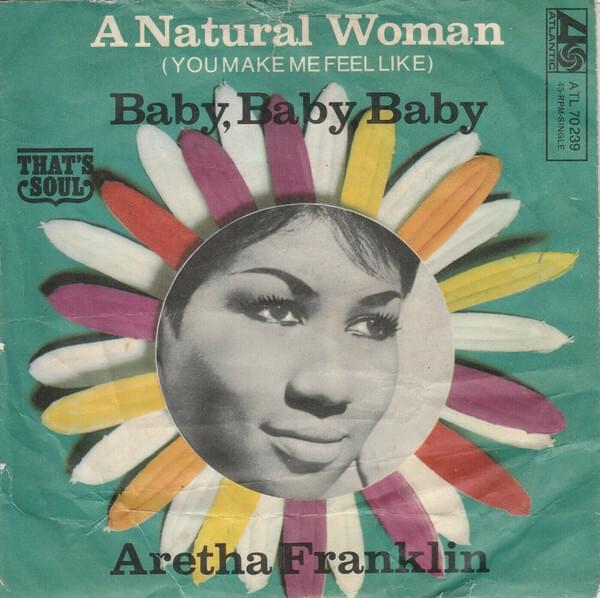
Aretha Franklin, a name synonymous with soul, gospel, and sheer vocal power, is more than just a singer; she's a cultural icon. Born in Memphis, Tennessee, in 1942, her journey began within the hallowed halls of her father's Baptist church, where she honed her prodigious talent from a young age. Gospel music wasn't just an influence; it was the bedrock upon which her signature sound was built. This deeply ingrained musical foundation would later infuse her secular recordings with an unparalleled emotional depth and authenticity.
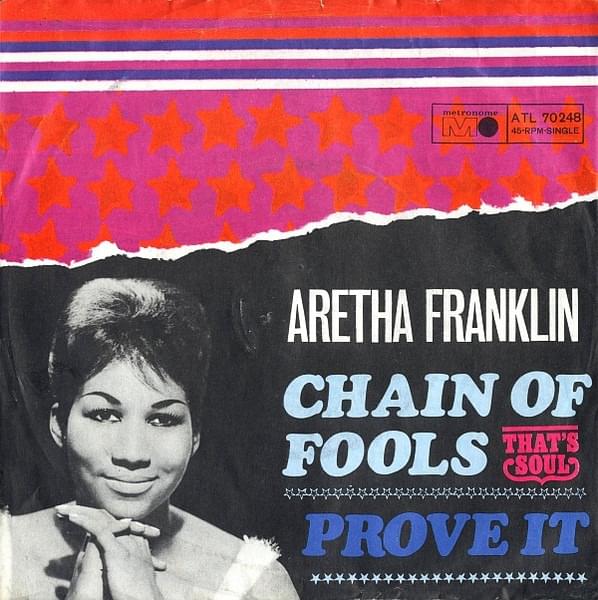
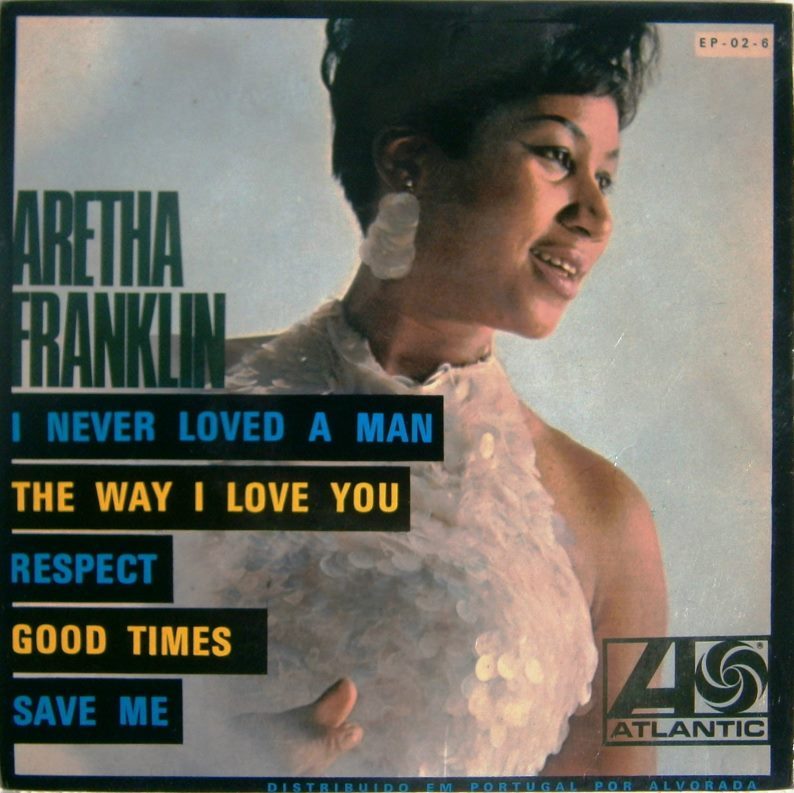
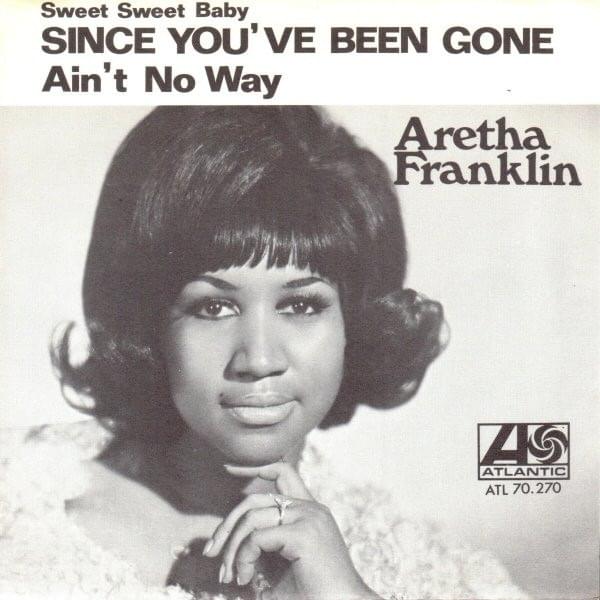
Franklin's early career saw her navigating the complexities of the music industry, initially signed to Columbia Records where she explored jazz and pop standards. While those early recordings showcased her undeniable vocal prowess, they didn't quite capture the raw, unfiltered energy that would later define her reign as the Queen of Soul. It was her move to Atlantic Records in 1967 that proved to be a watershed moment. Working with producers like Jerry Wexler, she unleashed a string of hits that resonated with audiences across the globe.
Franklin's voice possessed a rare combination of power and vulnerability. She could belt out roof-raising anthems with unmatched ferocity, then seamlessly transition to intimate ballads that tugged at the heartstrings. Her interpretations of songs were never mere covers; they were transformative acts of artistic reinvention. Even when tackling lesser-known material, Franklin had the innate ability to elevate them to something truly special. Take, for instance, a deep cut like Rough Lover, where her commanding vocals and nuanced delivery breathe new life into the track.
Beyond her exceptional vocal talent, Aretha Franklin was a masterful pianist, often accompanying herself on stage and in the studio. Her musicality extended beyond performance; she was deeply involved in the arrangement and production of her recordings, ensuring that her artistic vision was fully realized. She had a knack for choosing the right material that showcased her range and resonated with her personal experiences. Franklin's ability to connect with her audience on a profound level stemmed from her authenticity and the emotional truth she conveyed in every note. Her gospel roots remained a constant source of inspiration, informing her interpretations of secular songs with a spiritual depth that set her apart. One can hear this influence in songs like That Lucky Old Sun, a soulful rendition that transcends its original form.
Her influence on subsequent generations of singers is immeasurable. From pop to R&B, countless artists have cited Aretha Franklin as a primary inspiration. She not only broke down barriers for female artists but also redefined the possibilities of soul music. She was a force of nature, a musical powerhouse, and a cultural icon whose legacy will continue to inspire and uplift for generations to come. It is also worth revisiting lesser known gems like It's So Heartbreakin' to get a full appreciation of her work. Aretha could also deliver upbeat numbers, as evidenced in Ac-Cent-Tchu-Ate The Positive. And even in the later stages of her career, she could deliver powerful performances, such as When They Ask About You.