Song Meaning
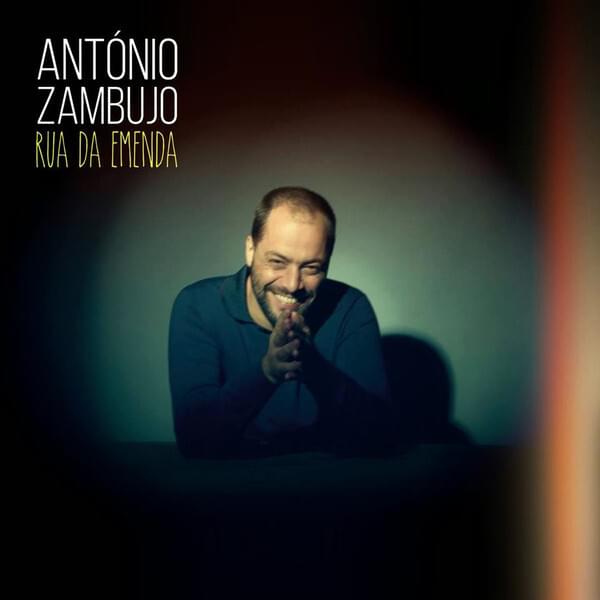
António Zambujo’s "Viver de Ouvido" isn't just a song; it's a manifesto for intuitive living. The core idea pulses through every line: a rejection of formal knowledge in favor of experiential wisdom. Zambujo champions the power of listening, not just to music, but to the subtle rhythms of life itself. He frames this as an active choice, a conscious opting-out of academic pursuits ("Não fui nunca de estudar") for a more visceral, empathetic understanding of the world.
The lyrics analysis reveals a deep sensuality intertwined with this philosophy. The second verse moves beyond general observation into the realm of human connection. It's not about intellectual prowess, but about feeling the "bater dos corações" – the beating of hearts. This isn't just empathy; it's a claim that true understanding comes from shared emotional experience. He even elevates this intuitive understanding above artistic pretension. The lines "Não me queiras no papel / De escritor muito inspirado / Mas sei por na tua pele / Um poema arrepiado" suggest that direct, physical connection is more profound than any written word. He can create a poem on your skin, a tangible, lived experience surpassing mere intellectual creation.
Ultimately, "Viver de Ouvido" is a celebration of embodied knowledge. Zambujo extends his philosophy into the intimate sphere, using the metaphor of undressing someone ("Mas sei ler o teu vestido / E sei abrir os teus botões") to represent a deeper, more intuitive understanding of another person. He isn't reading instructions or following a manual; he's perceiving and responding to the unspoken cues, the subtle signals that reveal someone's true self. The song champions a life lived through feeling and instinct, valuing genuine connection over superficial learning. It's a potent reminder that some of the most profound truths are not found in books, but in the spaces between words, in the shared silences, and in the quiet understanding that passes between two souls.
 View Artist