Song Meaning
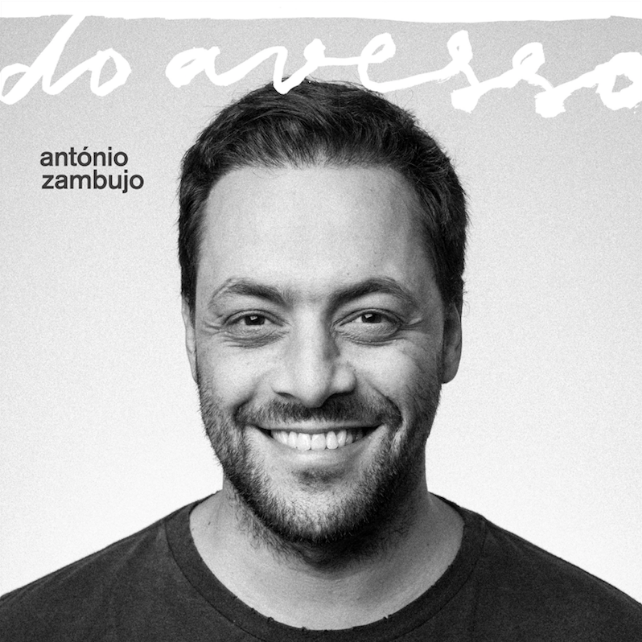
António Zambujo's "Do Avesso" isn't just a song; it's a post-relationship autopsy, conducted with the quiet intensity that defines much of his work. The opening lines immediately plunge us into the disarray of absence. The speaker isn't simply missing someone; he's lost, actively searching for a trace – a "vestido" (dress) – amidst the mundane clutter of daily life. This hunt, however, feels less about retrieval and more about confronting the stark reality of her departure. The dress, hanging amongst other "roupas penduradas" (hanging clothes), becomes a symbol of lingering presence and irrevocable absence. It is a ghost in the domestic machinery.
The second verse deepens the emotional excavation. The speaker awakens "calado" (silent), his heart "despedaçado" (shattered). This silence isn't peaceful; it's the heavy quiet of grief and disorientation. The image of his "sonho embriagado" (intoxicated dream) tangled at her feet is particularly evocative. It suggests that his aspirations, his very sense of future, were inextricably linked to her, now left discarded and vulnerable. The song's title, "Do Avesso" (Inside Out or Backwards), perfectly encapsulates this feeling of inversion – a world turned upside down by loss.
As the song progresses, the speaker's fragmented state becomes increasingly apparent. He awakens "do lado errado" (on the wrong side), a phrase that speaks to both physical and emotional imbalance. He is "distraído, descuidado" (distracted, careless), yet still "encantado por te ver" (enchanted to see you). This paradoxical blend of vulnerability and enduring affection is at the heart of the song's emotional power. The final verse delivers the most devastating blow: "Eu acordei quebrado / Mil pedaços espalhado / Inventado por você" (I woke up broken / A thousand pieces scattered / Invented by you). He is not merely heartbroken; he is fundamentally undone, his very identity seemingly constructed by the absent lover. "Do Avesso" leaves us with a portrait of raw vulnerability. Zambujo doesn't offer easy answers or resolutions, but instead invites us to dwell in the complex, often painful, reality of love and loss.
 View Artist