Song Meaning
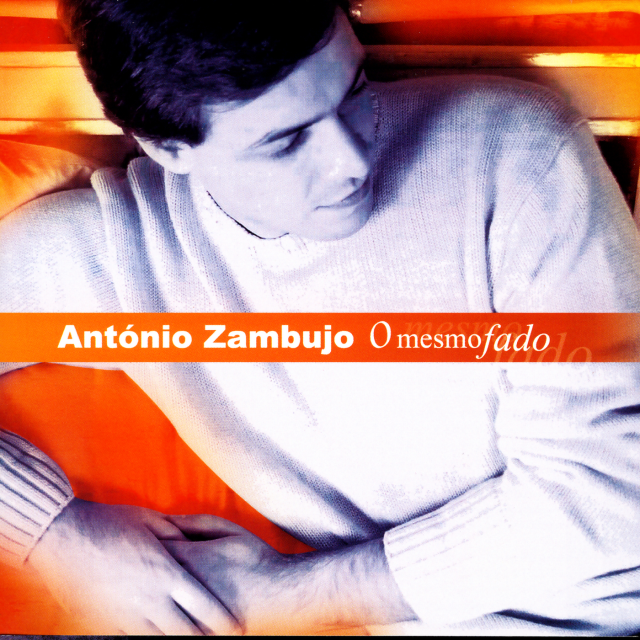
António Zambujo’s "Triste Fado" isn't just a song; it's a psychological portrait painted in melancholic tones. The song meaning resides in the complex interplay between admiration, guilt, and the echoes of past love lost. Zambujo addresses a woman, a "Senhora," whose sorrow is so profound it evokes the very essence of fado – a Portuguese genre steeped in longing and lament. He sees in her face not just sadness, but a reflection of his own emotional landscape, a recognition of shared suffering rooted in affairs of the heart. The lyrics suggest a past transgression, a path "not used," that has led to her pain, and by extension, his own. He is tormented by his inability to alleviate her suffering and haunted by the realization of the love he sees in her eyes.
The repeated invocation of the "Senhora" elevates her to a figure of almost divine significance. Zambujo isn't merely observing her pain; he's actively internalizing it. The lyrics, especially the lines describing the awakening of emotion and the yearning of the "menino" (boy) within the man, suggest a profound sense of vulnerability and regret. This "menino" desires to express gratitude, hinting that this woman, despite her current sorrow, played a formative role in shaping the man he has become. It's a fascinating blend of remorse and acknowledgement, suggesting that even in causing pain, he recognizes her positive influence on his life.
Ultimately, "Triste Fado" delves into the complexities of human connection and the lingering impact of our choices. Zambujo's lyrics analysis reveals a man grappling with the consequences of his actions, haunted by the visible pain he has inflicted on another. The song resonates not just as a lament for lost love, but as a poignant exploration of guilt, gratitude, and the enduring power of the past to shape our present selves. The fado genre, known for its fatalistic themes, finds a contemporary voice in Zambujo's nuanced portrayal of emotional entanglement and the search for meaning within sorrow.
 View Artist