Song Meaning
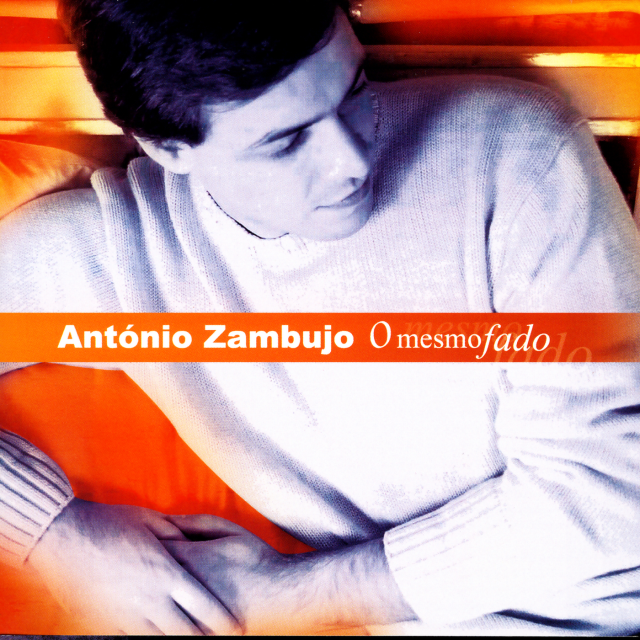
António Zambujo's "Fado Alcantarado" is less a song *about* Fado and more a passionate, almost devotional *to* the genre itself. The lyrics paint Fado not just as a musical style, but as a multifaceted entity deeply intertwined with the singer’s very being. Zambujo elevates Fado to the status of a confidant ("meu amigo alcantarado"), a personal universe, and even a desired poison ("meu veneno desejado"). This isn't mere appreciation; it's a declaration of profound artistic dependence, a recognition that his creative voice is inextricably linked to the melancholic spirit of Fado. The song meaning resides in this intimate, almost symbiotic relationship.
The maritime imagery woven throughout the lyrics further enriches the song's interpretation. References to "ruas de mar" (streets of the sea), "caravelas erguido" (caravels erected), and "mar dos meus sentidos" (sea of my senses) evoke Portugal's rich seafaring history, a past inextricably linked to the birth and evolution of Fado. These metaphors suggest that Fado, like the sea, is both a source of inspiration and a pathway to explore the depths of human emotion. The "cais de chegada e partida" (dock of arrival and departure) signifies Fado as a constant presence, a point of origin and destination in the singer's artistic journey.
Ultimately, Zambujo presents Fado as a guiding force, a "poeta, meu destino" (poet, my destiny) that illuminates his path even through tears. The repetition of these lines emphasizes the unwavering commitment and almost spiritual connection he feels towards this traditional Portuguese art form. "Fado Alcantarado," therefore, transcends a simple tribute; it’s an exploration of artistic identity, revealing how a genre can become a defining element of an artist's soul, shaping their perspective and creative output. The song is a testament to Fado's enduring power and its capacity to embody the profound complexities of human experience.
 View Artist