Song Meaning
António Zambujo's "Poema dos Olhos da Amanda" isn't just a song; it's a melancholic portrait painted with the subtle brushstrokes of Portuguese saudade. The song meaning resides within the profound gaze of Amanda, a figure whose eyes are not merely windows to the soul, but rather vast, echoing harbors filled with unspoken farewells. Zambujo uses the imagery of "cais noturnos" (nocturnal docks) and "docas mansas" (gentle docks) to establish a sense of departure and quiet acceptance of inevitable endings. The eyes aren't simply sad; they hold the weight of countless journeys and shipwrecks, metaphorical collapses experienced within the depths of a complex emotional landscape. It is in these depths that the song finds its power.
The core of the song pulses with a yearning for something just beyond reach. The lyrics suggest Amanda's eyes possess an almost divine quality, so unique and complex that only God himself could have crafted them. Yet, there's a contrasting undercurrent – a hint of atheism ("olhos ateus") – which deepens the enigma. This paradox implies Amanda might be disillusioned, perhaps wounded by the same world that Zambujo seems to admire her for navigating. The narrator implores Amanda to foster hope within his own eyes, hoping to see the "olhar mendigo da poesia" (the begging gaze of poetry) reflected back at him.
Ultimately, "Poema dos Olhos da Amanda" explores the theme of longing and the human need for connection. It speaks to the desire to find beauty and meaning even in the midst of sorrow. The song's lyrical analysis reveals a plea for Amanda to not only see the poetry within herself but to share that vision, to offer a glimpse of hope to a narrator who seeks solace in her profound and enigmatic gaze. Zambujo masterfully uses Amanda's eyes as a microcosm of the human experience, reflecting love, loss, and the enduring search for meaning in a world often defined by its impermanence.
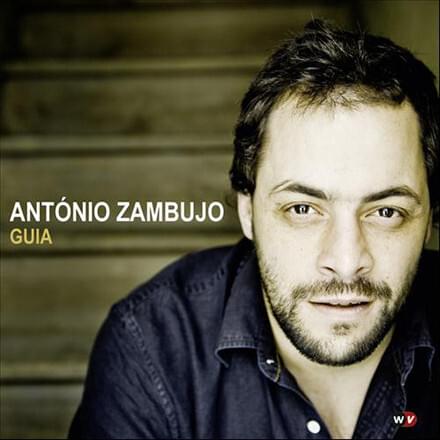
 View Artist