Song Meaning
António Zambujo's "Fado da Vida Bela" isn't just a fado; it's a testament to the enduring power of beauty in the face of life's inherent instability. The song's core concept revolves around a muse, a figure of seemingly boundless beauty who inspires the 'poet' within the singer. This muse isn't merely a passive object of admiration; she actively 'permits' and 'consents,' suggesting a reciprocal relationship where her presence unlocks creativity and reveals hidden truths. The risk, however, is palpable: gazing upon such intense beauty is akin to 'arrisca ter a vida / Por um fio' – risking one's life on a thread. This isn't a simple love song; it's about the intoxicating, almost dangerous power of aesthetic experience. The acknowledgment that life is beautiful – 'a vida é bela' – comes not from naive optimism, but from a place of profound understanding of life's precariousness.
The lyrics delve deeper into the muse's impact, noting how her silence 'explains' things, how 'destino' (destiny) arrives in 'labaredas' (flames), and how paths ('veredas') disappear from view. These are not gentle images; they suggest a volatile, transformative force. The line 'Onde somes da visão / Descompassam o coração' (Where you disappear from sight / Throw the heart out of rhythm) highlights the emotional turmoil that accompanies this intense inspiration. The muse's absence, her fleeting nature, is as crucial as her presence. It's this very impermanence, this potential for loss, that gives life its poignant beauty. The rhythmic disruption of the heart mirrors the unsettling yet ultimately enriching experience of encountering profound beauty.
Ultimately, "Fado da Vida Bela" explores the bittersweet tension between beauty and pain, inspiration and instability. It acknowledges that true beauty isn't safe or predictable; it's a force that can disrupt, challenge, and even threaten to unravel us. Yet, within that very disruption lies the essence of a life well-lived, a life attuned to the fleeting, precious moments of beauty that make it all worthwhile. Zambujo doesn't offer easy answers; instead, he invites us to embrace the complexities of the human experience, to find beauty in the midst of chaos, and to understand that life's fragility is precisely what makes it so beautiful.
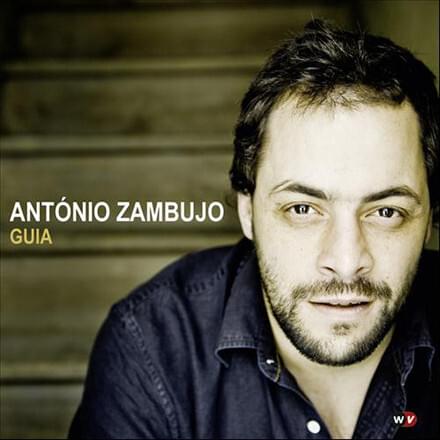
 View Artist