Song Meaning
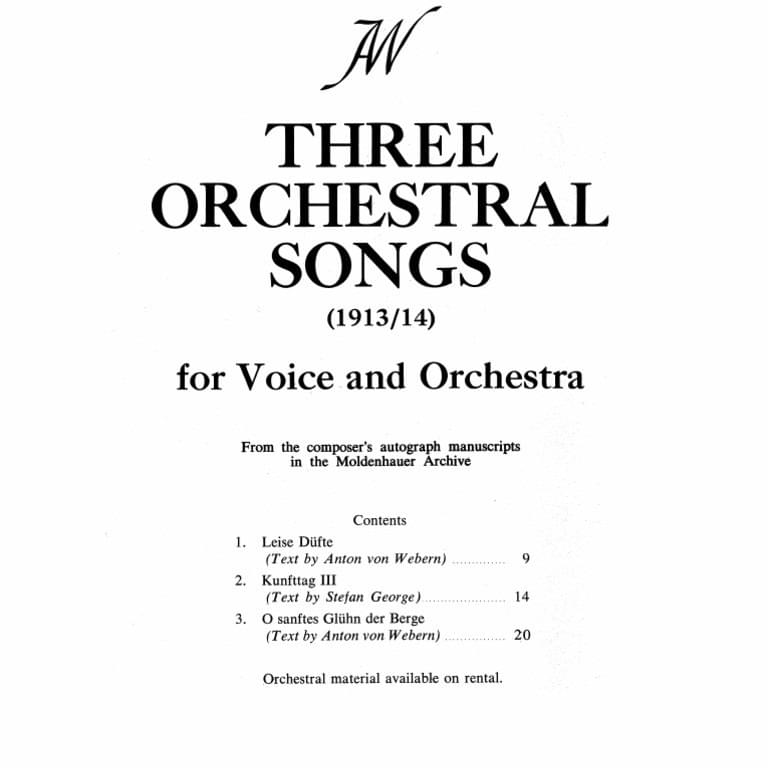
The lyrics open with a direct address to a gentle glow on the mountains, immediately establishing a scene of natural beauty and a sense of longing. The narrator sees this glow again, describing it as "so tender and beautiful," and invokes "Mother of Grace, in heavenly heights." This suggests a spiritual or deeply emotional connection to the natural phenomenon, perhaps seeing it as a divine sign or presence.
The central tension arises from the fading of this vision. The narrator pleads, "O bow down, O come again," indicating a desire for the presence to remain or return. However, the "breath of evening takes the light," and the beloved "dear face" is no longer visible. This creates a poignant contrast between the initial awe and the subsequent loss, a fleeting moment of grace that slips away.
The craft here is in the direct, almost prayer-like invocation and the stark depiction of loss. The repetition of "O" emphasizes the pleading tone, while the simple, evocative imagery of the evening light dissolving the vision is powerful. The shift from seeing the "tender and beautiful" glow to not seeing the "dear face" highlights the ephemeral nature of what is being observed or felt.
This piece resonates because it captures the universal experience of a profound moment – be it spiritual, emotional, or aesthetic – that is inherently temporary. The lyrics articulate the ache of that transience, the desire to hold onto something beautiful as it inevitably recedes into the darkness, leaving only memory and a lingering sense of wonder.
 View Artist